
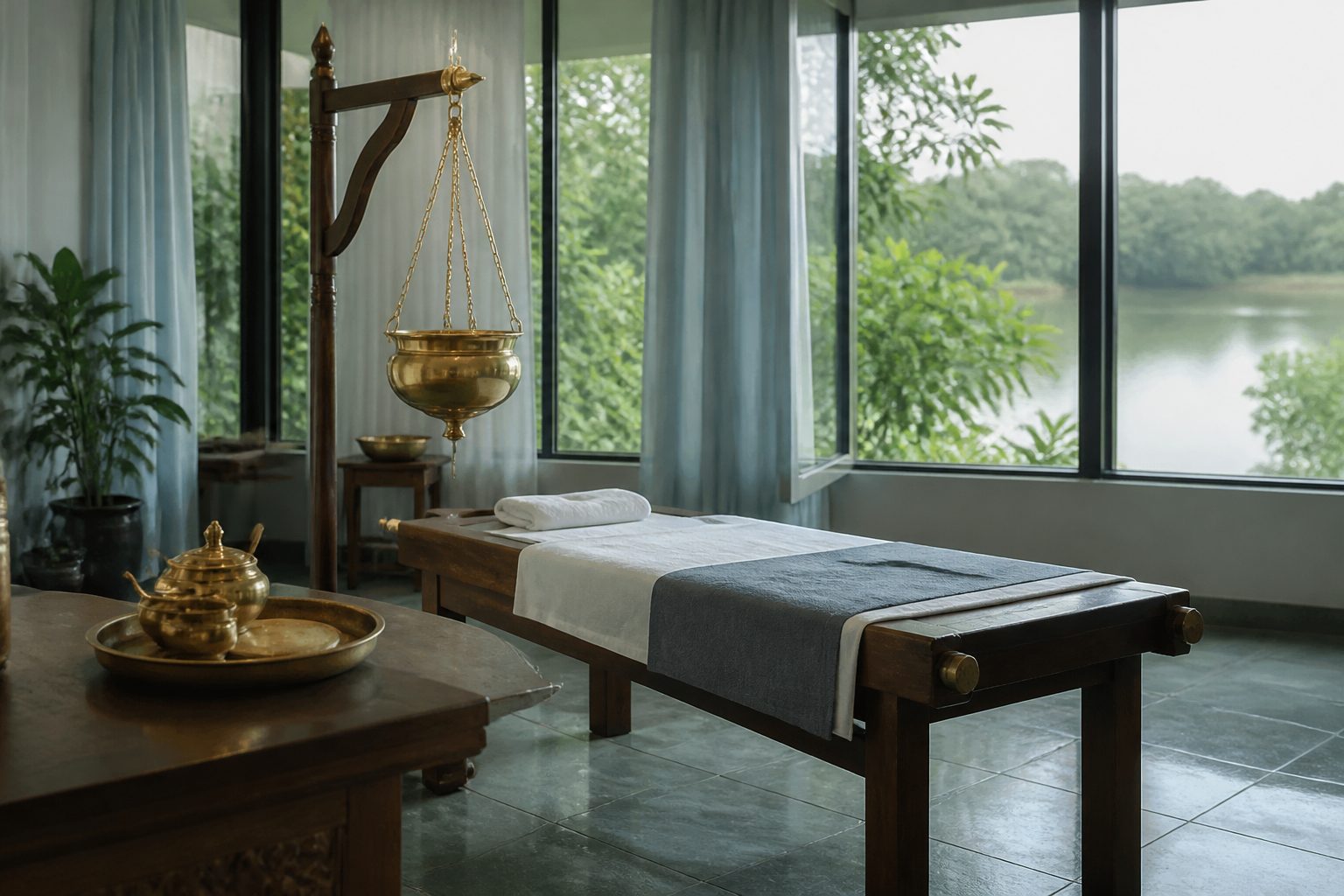
Panchakarma, the detoxification and rejuvenation therapy from Ayurveda, is offered at hundreds of centres worldwide. If you’re considering treatment abroad, your main concerns should be safety, medical oversight, and cost transparency. This guide explains how to choose a reputable centre, what to expect in a Panchakarma programme, and how much you might pay in different countries.
This article is for international patients and families seeking traditional medicine and wellness therapies—Ayurveda, naturopathy, yoga therapy, Unani, Traditional Chinese Medicine (TCM), and medical spa retreats—outside their home countries. Expect to pay from $600 to $6,000 (₹50,000–₹5 lakh) or more for a full Panchakarma programme, depending on the country, length of stay, centre quality, and medical supervision.
What a Panchakarma programme includes
Panchakarma is an intensive Ayurvedic detoxification process, usually lasting from 7 to 28 days. The programme typically includes a series of preparatory procedures (like oil massage and steam), followed by five main cleansing treatments (therapeutic vomiting, purgation, enemas, nasal administration, and bloodletting). In practice, most modern centres adapt these therapies to suit individual needs and comfort, and not all five are always performed.
Standard inclusions in a Panchakarma package are:
- Initial consultation with an Ayurvedic or traditional medicine physician
- Daily supervised therapies (Abhyanga, Shirodhara, Swedana, etc.)
- Herbal medicines and oils
- Special diet (mostly vegetarian, tailored to your constitution)
- Yoga and meditation sessions
- Follow-up consultations
- Accommodation (often in-room or on-site)
Some centres may also offer additional therapies such as acupuncture, naturopathy, hydrotherapy, or spa treatments. Always ask for a written breakdown of what your package covers.
How much does Panchakarma cost in different countries?
Costs vary widely depending on the country, centre reputation, location, and package duration. India is the most popular destination, offering the broadest range of options and lowest prices. Sri Lanka, Nepal, Thailand, Indonesia (notably Bali), and select European countries also have reputable centres. Western countries tend to offer shorter or modified Panchakarma programmes at higher prices, often in wellness resorts or integrative clinics.
The table below compares typical costs for a 14-day Panchakarma programme (mid-range accommodation) in several countries. Prices are per person and usually include therapies, medicines, meals, and lodging.
| Country | Typical cost (14 days) | What’s included | Not included |
|---|---|---|---|
| India | $600–$2,000 (₹50,000–₹1.7 lakh) | Full therapies, medicines, meals, basic room | Flights, airport transfers, premium rooms |
| Sri Lanka | $900–$2,500 (LKR 290,000–800,000) | Therapies, medicines, meals, room | Flights, upgrades, some excursions |
| Nepal | $700–$1,800 (NRs 92,000–236,000) | Therapies, medicines, meals, room | Flights, personal expenses |
| Thailand | $1,400–$3,000 (THB 50,000–107,000) | Therapies, meals, room, some yoga | Flights, medicines, spa upgrades |
| Indonesia (Bali) | $1,300–$3,500 (IDR 21–56 million) | Therapies, meals, room, yoga | Flights, medicines, excursions |
| UK | $2,500–$6,000 (£2,000–£4,800) | Therapies, meals, room | Flights, medicines, longer stays |
| USA | $2,500–$6,000 | Therapies, meals, room (often off-site) | Flights, medicines, extra nights |
| Germany/Switzerland | $3,000–$7,000 (€2,800–€6,500) | Therapies, meals, room, medical check | Flights, medicines, spa treatments |
How to check safety and accreditation
Safety should be your top priority. Genuine Panchakarma is an intensive medical procedure and should be supervised by a qualified Ayurvedic or traditional medicine doctor—ideally with a recognised degree (BAMS, MD Ayurveda, TCM, Naturopathy, etc.). Ask if the centre is registered with national or regional health authorities. In India, look for NABH (National Accreditation Board for Hospitals & Healthcare Providers) accreditation; in Sri Lanka and Nepal, check for Ministry of Health recognition. For TCM clinics, look for registration with relevant Chinese or international boards.
Accreditation is less common in wellness retreats and spa resorts, but some centres may have ISO certification or international wellness awards. While these don’t guarantee medical standards, they reflect a commitment to quality. Always ask about staff qualifications, medical supervision, and emergency protocols.
What to ask before booking
Before you commit to a Panchakarma centre abroad, it’s vital to clarify all aspects of your stay to avoid misunderstandings and ensure your safety. Here are key questions to ask, along with practical advice:
- Is there a qualified doctor present on-site at all times? Inquire about the doctor’s credentials (such as BAMS or MD Ayurveda in India) and whether they are available for daily consultations and emergencies.
- Are therapies tailored after a personal assessment? Ask if you will receive a detailed health evaluation and how your programme will be individualised based on your needs and medical history.
- What is included and excluded from the package price? Request a comprehensive list and written confirmation of all inclusions (therapies, medicines, meals, accommodation) and exclusions (airport transfers, premium services, taxes).
- Is there 24/7 medical support or emergency care nearby? Find out about on-site medical facilities, ambulance availability, and proximity to a hospital.
- How are medicines sourced and prepared? Ask if medicines are prepared in-house or sourced from certified suppliers, and whether they comply with local health regulations.
- Can I see sample daily schedules and menus? Reviewing these helps you understand what your typical day will look like and whether dietary needs can be accommodated.
- What is the cancellation and refund policy? Insist on written terms regarding deposits, refunds, and rescheduling in case of illness or travel disruption.
- Can you connect me to past international patients for feedback? Speaking directly with former guests can provide valuable insight into the centre’s quality and reliability.
Always get written confirmation of all arrangements, including what happens if you need to leave early or if your health status changes. Centres that are vague or reluctant to answer safety-related questions should be avoided. Taking these steps ensures your expectations are met and helps protect your health and finances during your Panchakarma experience abroad.
Hidden costs and what’s not included
While most Panchakarma centres abroad advertise packages that seem all-inclusive, there are often additional costs that can significantly increase your overall expenditure. The base price usually covers daily therapies, standard accommodation, vegetarian meals, and a set of basic Ayurvedic medicines. However, many centres—especially in popular destinations like Kerala (India), Sri Lanka, or Bali—may charge extra for services that are not explicitly mentioned in the initial quote.
- Airport transfers and local transport: Some centres offer complimentary pick-up and drop-off, but many charge extra, especially if the location is remote or if you arrive outside standard hours.
- Room upgrades: Premium rooms with air conditioning, private balconies, or sea views almost always come at a higher price, which may not be included in the standard package.
- Special diagnostic tests: Blood work, imaging, or additional medical consultations (such as with an allopathic doctor) are usually charged separately.
- Additional therapies: Treatments like physiotherapy, acupuncture, yoga therapy, or spa massages are often available but not part of the basic package.
- Specialist consultations: If you require advice from a dietitian, psychologist, or other specialist, expect to pay extra.
- Personal expenses: Services such as laundry, Wi-Fi upgrades, guided excursions, or shopping trips are rarely covered.
In some countries, government taxes and service charges (GST in India, VAT in Sri Lanka) may also be added to your bill. Advance payments or non-refundable deposits are common, and cancellation policies can be strict. To avoid surprises, always request a detailed written quote outlining all inclusions and exclusions. Ask for clarification on any vague terms and double-check the payment schedule and refund conditions. This proactive approach will help you budget accurately and prevent unexpected expenses during your stay.
How to compare centres: key criteria
When evaluating Panchakarma centres abroad, it’s essential to use a thorough checklist to ensure you select a facility that meets high standards for safety, quality, and value. Here are the most important factors to consider, with practical details and country-specific notes:
- Medical oversight: Confirm that the centre has qualified Ayurvedic doctors (with degrees such as BAMS or MD Ayurveda in India) and trained therapists. In reputable Indian or Sri Lankan centres, there should be a doctor present on-site at all times, and ideally, a nurse or paramedic for emergencies.
- Therapy quality: Look for centres offering individualised treatment plans based on personal assessment, rather than one-size-fits-all packages. Ask how they tailor therapies to your health status, age, and goals.
- Hygiene and safety: Evaluate the centre’s cleanliness, infection control measures, and emergency protocols. Inquire about their response to COVID-19, food safety standards, and water purification practices—especially important in tropical countries.
- Accreditation: Prefer centres registered with local health authorities or certified by recognised boards (such as NABH in India, or Ministry of Health in Sri Lanka). Accreditation ensures adherence to minimum standards and regular inspections.
- Transparency: Reliable centres provide clear, itemised information about costs, inclusions, and exclusions. Avoid those that are vague or refuse to give written quotes.
- Patient feedback: Seek independent reviews on platforms like Google, TripAdvisor, or specialised wellness forums. Ask for testimonials or references from international patients.
- Language support: Ensure English-speaking staff are available. Some centres offer interpreters for other languages, which can be crucial for non-English speakers.
Remember, higher prices do not always equate to better care. Many excellent centres in India, Sri Lanka, and Nepal offer affordable rates due to lower labour and operational costs. However, always balance affordability with safety and quality—never compromise on medical oversight or hygiene. By systematically comparing these criteria, you’ll be better equipped to choose a centre that’s both safe and suited to your needs.
Tips for safe planning and travel
Travelling for Panchakarma or traditional wellness therapies involves more than just booking a retreat. Consider these tips for a safe and effective experience:
- Consult your primary doctor before travel, especially if you have chronic conditions or take regular medication
- Bring all relevant medical records, prescriptions, and emergency contacts
- Check visa, vaccination, and travel insurance requirements for your destination
- Plan to rest for a few days after Panchakarma; avoid strenuous travel or work immediately after
- Ask about food safety, water quality, and dietary restrictions
- Stay in touch with family or friends and share your itinerary
Many centres offer airport pickup and drop-off, but confirm this in advance. If you have allergies or dietary needs, communicate them clearly before arrival.
Evidence, expectations, and limits
Panchakarma and related Ayurvedic therapies are deeply rooted in traditional healing systems that have been practiced in India and South Asia for centuries. While many people report improvements in stress, digestion, and overall wellbeing, it’s important to recognise that scientific evidence supporting the effectiveness of Panchakarma is still limited. A handful of clinical studies—mainly from India—suggest potential benefits for conditions such as metabolic syndrome, mild arthritis, and chronic stress, but these studies are often small and lack rigorous controls. Most international medical guidelines do not endorse Panchakarma as a primary treatment for serious illnesses.
Panchakarma is best viewed as a complementary therapy for prevention, wellness, and symptom management—especially when combined with healthy lifestyle changes like improved diet, exercise, and stress reduction. It should never be considered a substitute for evidence-based medical care, particularly for chronic or life-threatening diseases. Be cautious of centres that claim to cure cancer, diabetes, autoimmune disorders, or infectious diseases. Ethical practitioners will not promise guaranteed results or advise you to stop prescribed medications.
Before booking, discuss your plans with your home doctor and ensure your current medications and medical needs will be supported during your stay. Responsible centres will ask for your medical history and may require a doctor’s note or recent test results. Setting realistic expectations and understanding the limits of Panchakarma will help you make informed decisions and get the most benefit from your wellness journey abroad.
Bottom line: how to choose safely
Choosing a safe Panchakarma centre abroad involves much more than just browsing websites or comparing prices. To protect your health and investment, start by researching the centre’s reputation through independent sources, such as verified patient reviews, international wellness forums, and accreditation bodies. Look for centres that employ qualified Ayurvedic doctors (BAMS or MD Ayurveda in India), trained therapists, and have on-site medical supervision. In countries like India and Sri Lanka, check if the centre is registered with the local health authority, such as the Department of AYUSH (India) or the Ministry of Indigenous Medicine (Sri Lanka).
Direct communication is crucial. Contact the centre by phone or video call to discuss your health needs, the experience of their staff, and their approach to safety and hygiene. Ask for written documentation detailing what is included in your package, and get clear information about their protocols for emergencies, allergies, and chronic conditions. Transparent pricing is a sign of professionalism—request a full breakdown of costs, including potential extras.
Before booking, confirm the cancellation and refund policy in writing, and understand the terms for deposits or prepayments. If possible, ask for references from past international guests or request to join online support groups. Remember, Panchakarma is a supportive therapy, not a replacement for essential medical care. Always consult your primary healthcare provider before travelling, and ensure you have adequate travel insurance that covers medical treatment abroad. Taking these practical steps will help you choose a centre that prioritises your safety, wellbeing, and peace of mind.
Frequently asked questions
Is Panchakarma safe for everyone?
Panchakarma is generally safe when supervised by a qualified practitioner, but it’s not suitable for everyone. Those with severe illnesses, pregnancy, or certain medical conditions should consult both their primary doctor and the centre’s physician before starting any detoxification programme.
How long should a Panchakarma programme last?
Traditional Panchakarma lasts 14 to 28 days, but some centres offer shorter, modified versions (7–10 days) for international visitors. For best results, discuss your health goals and time constraints with the centre’s doctor, who can tailor the duration and intensity accordingly.
Can I claim Panchakarma costs on insurance?
Panchakarma and related wellness therapies are rarely covered by health insurance, especially for international patients. Some policies may reimburse part of the cost if the centre is recognised by local authorities or if the therapy is prescribed for a specific medical condition. Always check with your insurer first.
What should I pack for a Panchakarma stay?
Pack comfortable, loose-fitting clothes, personal toiletries, any prescription medicines, and copies of your medical records. Many centres provide towels and basic amenities, but bringing a reusable water bottle and any essential items from home is advisable.
How do I know if a centre is reputable?
Look for qualified medical staff, clear accreditations, transparent pricing, and independent patient reviews. Reputable centres will answer your questions openly and provide written details of treatments and costs. Avoid places making extravagant cure claims or offering very low prices without explanation.
Related guides
Disclaimer: Prices and information in this article are indicative and may vary by case, centre, and season. Always obtain a detailed written quote and consult a qualified doctor before undergoing any medical or wellness treatment abroad.