
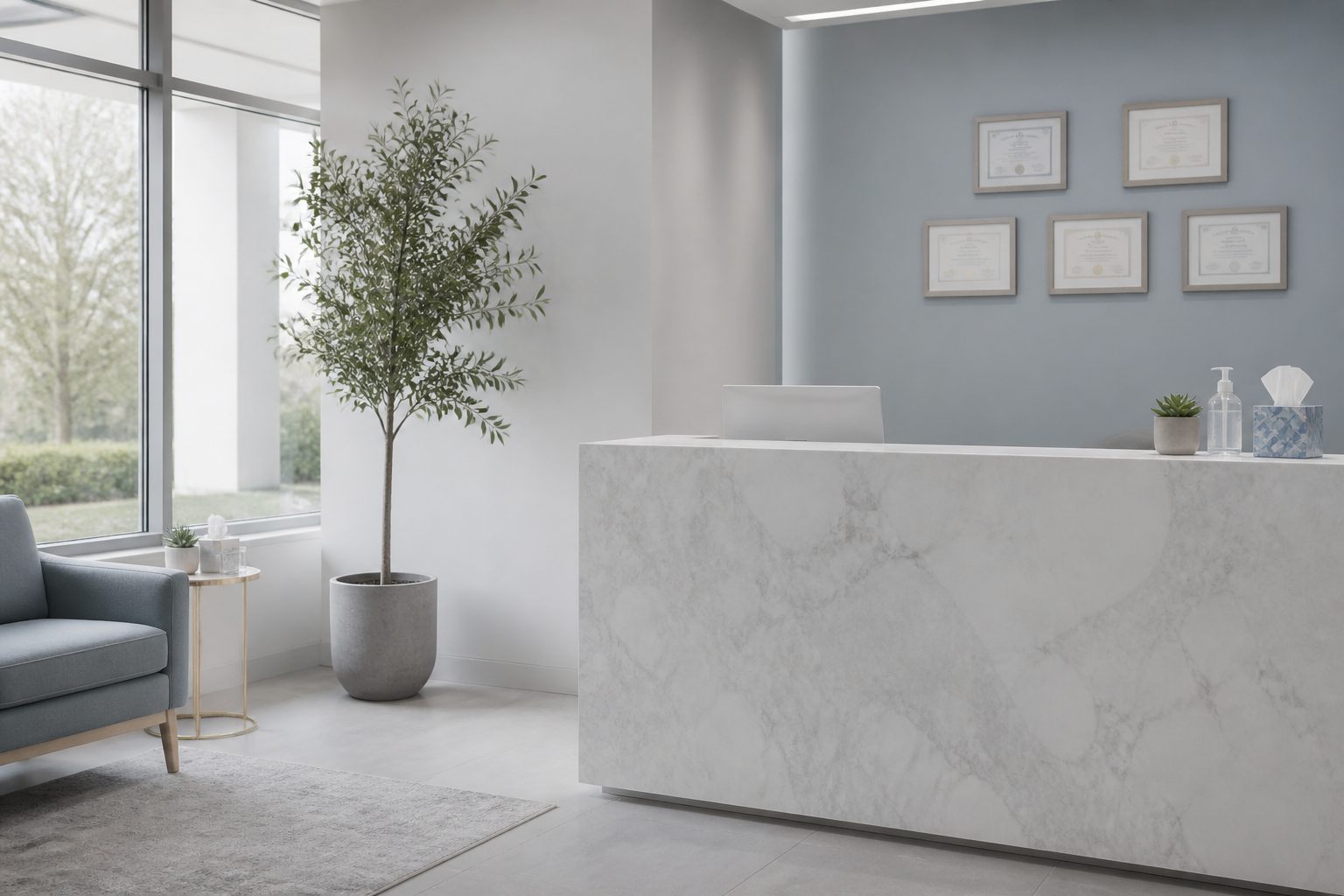
Patients seeking traditional and wellness medicine—such as Ayurveda hospitals, Panchakarma, naturopathy and yoga therapy centres, Unani, Traditional Chinese Medicine (TCM), and medical spas—often wonder how to verify that a facility is safe and reliable. This guide explains how to check safety standards, what is included in programme costs, and what to expect as an international patient.
Whether you are considering a medical spa in Europe, an Ayurveda retreat in India, or a TCM centre in China, understanding safety standards is essential. Prices for wellness programmes can range widely, from $200 for basic spa treatments to over $5,000 for comprehensive multi-week therapies. Knowing what to look for can help ensure your experience is both safe and beneficial.
What safety standards mean in traditional and wellness medicine
Safety standards in traditional and wellness medicine include hygiene protocols, staff qualifications, facility licensing, and transparent treatment practices. Unlike conventional hospitals, many wellness retreats and medical spas operate under different regulations, which can vary significantly from country to country. Some facilities are integrated with medical clinics, while others focus solely on wellness therapies. Accredited centres may follow local or international standards, such as those set by the National Accreditation Board for Hospitals & Healthcare Providers (NABH) in India, or international spa associations. Look for clear evidence of protocols for infection control, emergency preparedness, and qualified practitioners.
How to check accreditation and licensing
Accreditation is a formal recognition that a facility meets certain standards. For traditional medicine hospitals (Ayurveda, Unani, TCM), look for national accreditations like NABH (India), or government-issued licenses. Some countries have dedicated boards for traditional medicine. Medical spas may be accredited by organisations like the International Medical Spa Association (IMSA) or local health authorities. Ask to see certificates and check their validity on the issuing body’s website if possible. For wellness retreats and yoga centres, look for affiliations with reputable yoga or naturopathy boards. If a centre claims to be accredited but cannot provide documentation, proceed with caution.
Staff qualifications and practitioner credentials
Qualified staff are a cornerstone of safe care. In Ayurveda, practitioners should hold a Bachelor of Ayurvedic Medicine and Surgery (BAMS) or equivalent, while TCM doctors should have recognised degrees from approved institutions. Naturopathy and yoga therapy practitioners may have diplomas or university degrees, depending on the country. Always ask about staff qualifications and, if in doubt, request to see credentials. For medical spas, check that treatments involving injections, lasers, or medical devices are performed by licensed medical professionals, not unqualified technicians. Language skills can matter for international patients—ask if staff are comfortable communicating in English or your preferred language.
Cleanliness, infection control, and emergency protocols
Cleanliness in a medical spa or wellness facility is a foundational aspect of safety, no matter the country or type of therapy offered. When you arrive, take time to inspect public areas, treatment rooms, and bathrooms for visible signs of hygiene—clean floors, fresh linens, and well-maintained equipment are all good indicators. Ask staff how often spaces are cleaned and whether they use hospital-grade disinfectants. For treatments that involve skin contact or invasive procedures (such as acupuncture, cupping, or Panchakarma detox therapies), it’s essential that all instruments are either single-use or properly sterilized using autoclaves or similar devices. In countries like South Korea or Turkey, reputable spas will display their sterilization certifications and protocols openly.
Infection control has become even more important in the wake of global health crises like COVID-19. Ask about the facility’s specific infection prevention measures: Do they require staff and guests to wear masks? Are hand sanitizers readily available? What protocols are in place if someone develops symptoms of illness on-site? Centers should be prepared to isolate symptomatic individuals and have clear guidelines for testing and reporting illnesses. Staff should be trained in basic life support and first aid, and there should always be someone on duty who can respond to medical emergencies.
Another key consideration is emergency preparedness. Inquire whether the facility has a direct relationship with a nearby hospital or clinic, and how quickly emergency services can be accessed in case of a serious medical event. Some countries, like Thailand or Costa Rica, have well-developed medical tourism infrastructures, and reputable spas will have formal emergency transfer agreements with local hospitals. Don’t hesitate to ask for details—reputable centers will provide this information willingly and may even show you their emergency plans. Prioritizing these factors will ensure your wellness experience is both safe and restorative.
What is included in programme costs — and what is not
Wellness programme pricing varies widely by country, duration, and scope. Packages may include accommodation, meals (often based on therapeutic diets), initial consultation, daily treatments, and follow-up care. Some retreats offer extras like yoga classes, meditation, or nature walks. Always request a detailed price breakdown. Check what is not included: airport transfers, medicines, lab tests, or personal expenses are often billed separately. For international patients, clarify whether the price covers translation, visa support, or travel insurance. This transparency prevents surprise charges and allows for better budgeting.
| Country | Type of Facility | Typical Programme (7 days) | What’s Included | What’s Not Included |
|---|---|---|---|---|
| India | Ayurveda hospital/retreat | $350-$1,200 (₹29,000-99,000) | Consultation, therapies, accommodation, meals | Travel, medicines, extra tests |
| Thailand | Medical spa | $800-$2,000 (฿28,000-70,000) | Therapies, accommodation, some meals | Flights, advanced diagnostics |
| China | TCM clinic/retreat | $400-$1,500 (¥2,800-10,500) | Consultation, acupuncture, herbal medicine | Accommodation, personal expenses |
| Germany | Medical wellness spa | $1,500-$3,500 (€1,400-3,200) | Therapies, accommodation, meals | Travel, specialised treatments |
| Indonesia | Wellness retreat | $500-$1,500 (Rp7.9-24 million) | Therapies, yoga, meals, accommodation | Transport, extra services |
| Turkey | Thermal spa clinic | $600-$2,000 (₺19,500-65,000) | Therapies, accommodation, some meals | Flights, extra therapies |
| USA | Medical spa | $1,500-$5,000 | Treatments, some meals, consultation | Accommodation, travel |
| UK | Wellness retreat | $1,200-$3,000 (£950-2,400) | Therapies, accommodation, meals | Travel, optional extras |
How to spot red flags and common pitfalls
When evaluating a medical spa or wellness retreat abroad, it’s crucial to be vigilant for warning signs that could indicate substandard care or unsafe practices. Extravagant health claims, such as promises of miracle cures, instant results, or guaranteed outcomes, should raise immediate suspicion. Reputable facilities will be realistic about what their therapies can achieve and will not overpromise. Another major red flag is a lack of transparency—not only in pricing, but also in staff qualifications and the credentials of practitioners. Always ask to see licenses and certifications, and make sure they are recognized by the country’s health authorities. In countries like Thailand or India, for example, medical spa staff should be registered with the local medical council or relevant regulatory body.
Be wary of spas that evade questions about their safety protocols or refuse to provide information about the products and equipment they use. Facilities that do not require a pre-arrival health assessment or fail to inquire about your medical history may not be prioritizing your safety. Unlicensed practitioners are a significant risk, especially in countries where regulation may be less stringent. Poor hygiene—such as dirty linens, cluttered treatment rooms, or reused equipment—should never be ignored, as this can lead to infections or other complications.
High-pressure sales tactics, such as pushing expensive add-on treatments or urging immediate payment for packages, are also concerning. A trustworthy center will give you time to consider your options. Additionally, check if the spa has a clear and accessible complaints process, as well as established procedures for handling adverse events. Research online reviews, but focus on those that provide detailed, balanced accounts of experiences. Generic praise or one-line criticisms can be misleading; look for feedback that discusses specific aspects of care, staff interaction, and outcomes. Taking these steps will help you avoid common pitfalls and choose a facility that truly prioritizes your well-being.
How to verify before you book: practical steps
Before committing to a medical spa or wellness retreat abroad, it’s vital to take a systematic approach to verification. Begin by thoroughly researching the facility’s website for information on licenses, accreditations, and staff qualifications. Request official documentation—such as copies of business licenses, practitioner certifications, and any accreditations from recognized bodies like Joint Commission International (JCI) or the local health ministry. In countries like Germany, Switzerland, or Singapore, such credentials are essential for legal operation and patient safety.
Ask the facility for a sample daily schedule and a comprehensive price list, including all potential add-on fees or taxes. This transparency helps you compare offerings and avoid hidden costs. If possible, connect with previous international patients—many reputable centers will provide references, or you can find candid feedback on independent platforms like Google Reviews, TripAdvisor, or medical travel forums. Pay particular attention to reviews that discuss specific treatments, staff professionalism, and overall safety.
Utilize technology by arranging a video call with the facility’s staff. This allows you to assess the environment, cleanliness, and communication style in real time. For longer or more expensive stays, clarify all cancellation and refund policies in writing, and ensure you understand the terms if your plans change due to illness or travel disruptions. If you have doubts, consult a reputable medical travel facilitator or contact your country’s embassy for a list of vetted providers in your destination. Finally, always have a backup plan in place, such as knowing the location of the nearest hospital and carrying a list of emergency contacts. These practical steps will help you make an informed, safe choice for your wellness journey.
How to save money safely
Saving money on a medical spa experience abroad is possible without compromising your safety, but it requires careful planning and attention to detail. Start by seeking out legitimate discounts, such as off-season rates, which are common in popular wellness destinations like Bali, Thailand, or Hungary. Facilities often lower prices during periods when tourist traffic is slower, and you may find attractive packages for longer stays or group bookings. Early-bird specials and loyalty discounts for repeat visitors are also frequently available, particularly in reputable chains or larger wellness resorts.
If your schedule is flexible, you can often negotiate better rates by avoiding peak travel times. Shared accommodation options can further reduce costs, but make sure these do not sacrifice privacy or hygiene standards. Always confirm what is included in the price—some spas bundle meals, therapies, and activities, while others charge separately for each service. In countries like Germany or Switzerland, some wellness treatments (such as physiotherapy or rehabilitation) may be partially covered by international health insurance, especially if prescribed by a doctor. Contact your insurer before booking to clarify what is reimbursable and what documentation you’ll need.
However, it’s essential never to let cost-saving measures override safety considerations. Avoid facilities that are unlicensed, lack verifiable credentials, or have poor reviews, even if they offer deep discounts. Cheap prices at the expense of qualified staff or proper hygiene can result in serious health risks. Look for centers accredited by recognized organizations—such as the Joint Commission International (JCI) or local health ministries. Finally, always request a written breakdown of costs and cancellation policies to avoid hidden fees. By combining smart shopping with due diligence, you can enjoy a safe and affordable wellness experience abroad.
What evidence says about safety and effectiveness
The scientific evidence supporting traditional and wellness medicine is highly variable, depending on the therapy, the provider, and the condition being treated. For example, practices like yoga therapy, mindfulness meditation, and acupuncture have substantial research backing their effectiveness for issues such as stress reduction, chronic pain, and certain mental health conditions. In countries like India, Germany, and the United States, accredited centers often follow protocols aligned with national or international guidelines, increasing the likelihood of safe and effective care.
However, not all treatments advertised by medical spas or wellness retreats are evidence-based. Some therapies—such as detox cleanses, extreme fasting, or unproven herbal remedies—may lack scientific support or carry risks, especially for individuals with underlying health conditions. Accredited facilities are more likely to offer treatments that are supported by clinical research and to employ practitioners who stay updated with current best practices. When considering a particular therapy, ask the center to provide published studies, references, or links to clinical guidelines that support their approach. In Europe and Australia, for example, many wellness providers reference guidelines from organizations like the World Health Organization (WHO) or local medical boards.
It’s important to remember that while wellness retreats can promote relaxation, personal growth, and improved well-being, they are not substitutes for conventional medical care—especially for serious or chronic health issues. If you are managing a significant illness, consult your regular healthcare provider before committing to any alternative or complementary therapies. By seeking out evidence-based centers and asking for documentation, you can make informed decisions and maximize the benefits of your wellness experience abroad.
Frequently asked questions
How can I check if a wellness centre is properly licensed?
Ask the facility to provide copies of their local health or traditional medicine licenses. You can often verify these with the issuing authority’s website or by contacting local regulatory bodies. If the centre hesitates or cannot provide proof, consider other options.
Are all treatments at medical spas supervised by doctors?
Not always. Some treatments, especially cosmetic procedures or those involving medical devices, should be supervised by a licensed doctor or qualified practitioner. Always check who will be performing your therapy and ask about their credentials.
What should I do if I have a medical emergency while at a retreat?
Before booking, confirm that the facility has an emergency response plan and access to nearby hospitals. Carry your medical records and emergency contacts, and inform staff of any pre-existing conditions or allergies.
Can I claim insurance for treatments at wellness retreats?
Insurance coverage for wellness therapies varies. Some policies cover prescribed therapies (e.g., physiotherapy), but most do not reimburse for elective wellness or spa treatments. Check with your insurer before booking and request receipts for any potential claims.
What are signs of a high-quality, safe wellness facility?
Look for visible cleanliness, clear safety protocols, qualified staff, transparent pricing, and positive, detailed reviews. Accredited or licensed centres are generally safer. Avoid places making unrealistic health promises or refusing to answer your questions.
Related guides
Disclaimer: Prices are indicative and vary by location, facility, and individual needs. Always consult a qualified doctor and request a written quote before booking. This guide is for general information only and not a substitute for professional medical advice.