
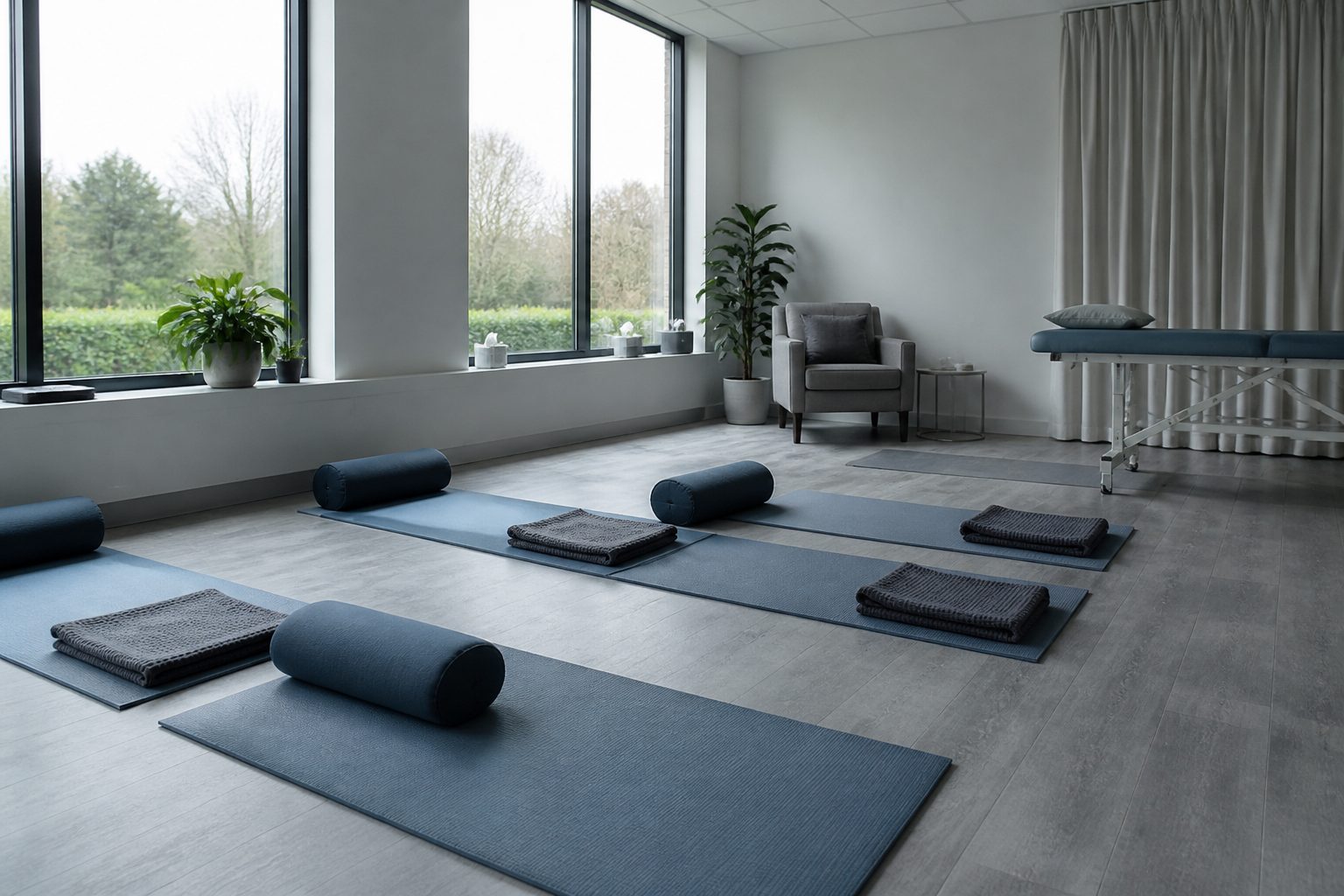
Yoga therapy is increasingly offered at Ayurveda hospitals, naturopathy centres, and wellness retreats to address insomnia. These programmes combine traditional practices and modern wellness approaches, aiming to improve sleep quality through structured routines, lifestyle guidance, and mind-body techniques. Costs for yoga therapy for insomnia vary widely depending on country, programme length, and what’s included, typically ranging from $350 to $3,200 for a 1–3 week stay.
This guide compares yoga therapy programme structures and fees across India, Thailand, Indonesia, the US, and Europe, with a focus on traditional medicine and wellness centres. It is intended for those considering non-pharmacological therapies for insomnia and seeking a clear overview of what to expect in terms of treatment, amenities, and pricing.
What is yoga therapy for insomnia?
Yoga therapy for insomnia is a personalised, holistic approach that uses the principles and practices of yoga to address sleep disturbances. Unlike standard yoga classes, yoga therapy is tailored to each individual’s needs and typically begins with a thorough assessment by a certified yoga therapist or integrative medicine practitioner. This assessment considers your sleep patterns, lifestyle, stress levels, medical history, and any underlying psychological or physical factors contributing to insomnia.
Core components of yoga therapy for insomnia include daily sessions of yoga postures (asanas) specifically chosen to calm the nervous system, restorative and gentle stretching, and targeted breathing exercises (pranayama) to support relaxation and reduce anxiety. Meditation and guided relaxation techniques, such as Yoga Nidra, are central to these programmes, helping to quiet the mind and create a foundation for better sleep. Education on sleep hygiene—covering topics like bedtime routines, screen time, and dietary habits—is often woven into the curriculum.
Many centres, especially in India and Southeast Asia, integrate yoga therapy with complementary traditional practices such as Ayurveda (using herbal remedies, massage, and dietary guidance), Panchakarma (detoxification therapies), naturopathy, or Traditional Chinese Medicine (TCM). This multidisciplinary approach aims to address not only the symptoms of insomnia but also underlying imbalances in the body and mind.
Programme lengths vary: some are short-term (5–7 days), ideal for introducing new habits, while others extend to several weeks for those with chronic or complex sleep issues. Ongoing support, such as teleconsultations or follow-up sessions, is increasingly available, ensuring continuity of care after you return home. Ultimately, yoga therapy for insomnia seeks to empower individuals to manage their sleep health naturally, reduce reliance on medication, and improve overall quality of life.
Programme structure: What’s included
Most yoga therapy programmes for insomnia at reputable centres include a combination of therapies, accommodation, meals, and access to wellness facilities. The core components usually are:
- Initial assessment: Consultation with a yoga therapist, Ayurvedic doctor, or naturopath to tailor the programme.
- Daily yoga therapy sessions: Gentle asanas, restorative postures, breathing techniques, and guided meditation focused on sleep improvement.
- Sleep hygiene workshops: Education on routines, diet, and habits to promote restful sleep.
- Complementary therapies: Ayurvedic treatments (such as Shirodhara or Abhyanga), Panchakarma detox, naturopathic therapies, acupuncture, or herbal medicines, depending on the centre’s tradition.
- Accommodation and meals: Most residential programmes include private or shared rooms and meals (often vegetarian, aligned with traditional dietary principles).
- Wellness facilities: Use of spa, relaxation lounges, walking trails, or pools, where available.
Some centres also provide sleep tracking, yoga nidra (yogic sleep), mindfulness training, and follow-up consultations after the programme.
Yoga therapy for insomnia: Typical programme lengths
The duration of yoga therapy programmes for insomnia is tailored to the severity of sleep issues, personal goals, and the centre’s therapeutic philosophy. Understanding the typical programme lengths can help you choose the right option for your needs and budget, as well as align with practical considerations like time off work or travel logistics.
- Short retreats (5–7 days): These are ideal for individuals with mild insomnia or those new to yoga therapy. Short stays focus on intensive daily practice, education on sleep hygiene, and stress reduction techniques. In India and Thailand, such retreats are often packaged as introductory wellness experiences, while in Europe and North America, they may be structured as weekend or week-long workshops. These programmes are designed to jumpstart better sleep habits, with some centres offering post-retreat online support to reinforce learning.
- Standard programmes (10–14 days): A two-week stay allows for a more comprehensive assessment and the opportunity to establish new routines. These programmes are suitable for moderate sleep disturbances and often include a combination of yoga, meditation, dietary adjustments, and therapies like Ayurveda or naturopathy. The extended timeframe supports deeper habit formation and allows practitioners to monitor progress and adjust the programme as needed. In countries like India, this is the most common length for therapeutic stays.
- Extended stays (21–28 days): Recommended for chronic or long-standing insomnia, or when combined with detoxification therapies such as Panchakarma. These longer programmes offer a holistic approach, addressing not just sleep but overall lifestyle, stress, and underlying health issues. Extended stays are more common in traditional wellness hospitals in India and Sri Lanka, and in specialised clinics in Europe. The longer duration allows for gradual change, close monitoring, and comprehensive support, which can be crucial for those with complex sleep problems or additional health concerns.
In urban areas, especially in the US and Europe, yoga therapy is also available on an outpatient basis. Clients attend scheduled sessions around work or family commitments, making it accessible for those unable to commit to residential programmes. However, for best results—especially for severe or persistent insomnia—most experts recommend a residential stay, where the immersive environment supports deeper rest and more consistent practice.
Always discuss your specific needs with the centre before enrolling, as some may customise the length and intensity of the programme based on your assessment and progress.
Cost comparison: Yoga therapy for insomnia programmes
The cost of yoga therapy for insomnia is influenced by country, type of centre, duration, and level of accommodation. Below is a comparison of typical price ranges for a 7–14 day residential programme at established centres in selected countries. Prices are per person and usually inclusive of accommodation, meals, therapies, and consultations unless stated otherwise.
| Country | Typical cost (7–14 days) | What’s included | Extras not usually included |
|---|---|---|---|
| India | $350–$950 (₹29,000–₹78,000) | Therapies, accommodation, meals, consultations | Airport transfers, advanced diagnostics, some Ayurvedic medicines |
| Thailand | $1,000–$2,200 (฿36,000–฿79,000) | Therapies, luxury accommodation, meals, spa use | Personalised supplements, private yoga sessions |
| Indonesia (Bali) | $900–$1,800 (Rp 14–28 million) | Therapies, accommodation, meals, wellness activities | Transport, additional spa treatments |
| United States | $1,800–$3,200 | Therapies, accommodation, meals (often organic) | Travel, advanced diagnostics, follow-up sessions |
| UK/Europe | $1,500–$2,800 (€1,400–€2,600) | Therapies, accommodation, meals, group classes | Private consultations, transport |
| Philippines | $650–$1,200 (₱37,000–₱68,000) | Therapies, accommodation, meals | Airport transfers, advanced spa treatments |
| Bangladesh | $350–$700 (৳38,000–৳76,000) | Therapies, basic accommodation, meals | Private yoga sessions, medicines |
| Pakistan | $400–$850 (₨115,000–₨245,000) | Therapies, accommodation, meals | Transport, some herbal medicines |
Luxury resorts and medical spas often charge more, especially if the programme includes high-end accommodation, one-on-one therapies, or additional wellness services. Shorter outpatient programmes or group-based urban offerings may be less expensive, but rarely provide the same immersive experience.
What drives the price of yoga therapy for insomnia?
Several factors influence the cost of these programmes:
- Centre reputation and accreditation: Established Ayurveda hospitals or JCI/NABH-accredited wellness resorts may charge more, but often offer higher standards and more experienced practitioners.
- Programme length and intensity: Longer or more personalised stays cost more due to additional therapies, accommodation, and monitoring.
- Accommodation type: Private rooms, luxury settings, and additional amenities (like spas or pools) add to the cost.
- Included therapies: Comprehensive packages with Ayurveda, naturopathy, or TCM treatments are more expensive than yoga-only programmes.
- Location: Urban centres may cost more for convenience, while rural retreats may be more affordable but require extra travel.
- Season: Prices may rise during peak wellness travel months or local holiday periods.
Patients should also factor in costs not included in package prices, such as airport transfers, diagnostic tests, follow-up care, or personalised herbal medicines.
How to choose a yoga therapy centre
When selecting a centre for yoga therapy for insomnia, consider the following:
- Specialisation: Look for centres with experience in sleep disorders or stress-related conditions, not just general yoga retreats.
- Qualified staff: Ensure therapists are certified in yoga therapy and, where relevant, Ayurveda, naturopathy, or TCM. Medical supervision is important for those with complex health profiles.
- Accreditation and safety: Prefer centres with recognised accreditation (JCI, NABH, AYUSH, or national wellness boards) and clear safety protocols.
- Programme structure: Ask for a detailed itinerary and clarification on which therapies are included versus optional extras.
- Reviews and reputation: Seek independent reviews from past clients, especially those seeking help for insomnia or related issues.
- Cost transparency: Request a written quote detailing all inclusions and exclusions. Clarify refund and cancellation policies.
It may help to consult your primary care physician before enrolling, especially if you have chronic health conditions or take regular medications.
What is and isn’t included in the fees?
When evaluating yoga therapy programmes for insomnia, it’s important to carefully review what is and isn’t covered by the advertised fees, as inclusions can vary significantly between centres and countries. Most reputable wellness centres, particularly those in India, Thailand, Sri Lanka, and increasingly in Europe and North America, structure their fees to cover the essentials of a therapeutic stay.
- Initial assessment and consultations: This usually involves a detailed intake session with a yoga therapist, doctor, or wellness practitioner to tailor the programme to your specific needs, including sleep history, stress levels, and medical background.
- All scheduled yoga therapy and group classes: The core of the programme, these classes may include daily yoga postures, guided meditation, pranayama (breathing exercises), and group discussions on sleep hygiene.
- Standard Ayurvedic, naturopathic, or wellness therapies: Depending on the centre’s philosophy, you might receive basic massages, herbal steam baths, or naturopathic treatments that are part of the standard protocol for insomnia.
- Accommodation: Fees typically include your room, which may be private or shared. In India and Southeast Asia, shared rooms are common and reduce costs, while European centres often offer private accommodations by default.
- All meals: Most centres provide three daily meals, generally vegetarian and designed to support sleep and wellness. Meals often follow Ayurvedic or naturopathic dietary guidelines, which can differ from standard hotel fare.
- Use of general wellness facilities: These may include access to gardens, meditation spaces, walking trails, and sometimes basic spa or hydrotherapy facilities.
However, several important items are usually not included in the base fees:
- Airport transfers and local transport: Unless explicitly mentioned, you’ll need to arrange and pay for your own transportation to and from the centre. Some centres offer paid transfer services or can arrange taxis at extra cost.
- Personalised or advanced therapies: One-on-one sessions with senior therapists, extra spa treatments (like deep tissue massage or beauty therapies), and advanced yoga therapy modules are typically charged separately.
- Specialised diagnostics or laboratory tests: If your programme requires blood tests, sleep studies, or additional medical diagnostics, these are almost always billed as extras.
- Herbal medicines or supplements: While standard treatments may include some basic herbal remedies, any personalised or proprietary supplements are usually an additional expense.
- Travel insurance and visa fees: These are not covered by the centre and should be arranged independently, especially if traveling internationally for your programme.
It’s crucial to request a detailed breakdown of what’s included and excluded in the fees before booking. Ask for written confirmation and don’t hesitate to clarify any ambiguous items, as policies can differ by country and even by season. This helps avoid unexpected costs and ensures your stay is focused on healing and rest rather than financial surprises.
How to save on yoga therapy for insomnia
Reducing the cost of yoga therapy for insomnia is possible with careful planning and informed choices, especially as fees can vary widely between countries and centres. Here are practical and country-specific strategies to help you access quality care without overspending:
- Choose off-peak dates: In countries like India, Sri Lanka, and Thailand, prices rise during winter and festival seasons (November–March, or during local holidays). Booking during the low season not only lowers accommodation costs but also provides a quieter, more personalised experience.
- Opt for shared accommodation: Centres in Asia often have dormitory or twin-sharing rooms at significantly reduced rates compared to private suites. In Europe, shared rooms are less common but some retreats offer discounts for friends or couples sharing accommodation.
- Look for group packages: Many centres worldwide provide special rates for couples, friends, or small groups. Group discounts are common in India and Southeast Asia, and occasionally in European wellness resorts. Bringing a companion can lower per-person costs and offer mutual support during the programme.
- Consider shorter stays: While longer programmes offer deeper benefits, a 5–7 day retreat can provide essential skills and a foundation for ongoing practice. Many centres now offer remote follow-up (via video or phone) at a fraction of the in-person cost, allowing you to continue your journey affordably from home.
- Book directly: Avoiding third-party booking sites can help you access the best rates and sometimes additional perks, such as free airport transfers or complimentary treatments. Always compare the centre’s official website with aggregator platforms, and ask about any unpublished discounts for direct bookings.
Other cost-saving tips include:
- Checking if your health insurance covers any aspect of yoga therapy or wellness retreats, especially in Europe or the US where some plans now offer partial reimbursement for evidence-based therapies.
- Seeking out scholarships or sliding-scale fees, which are occasionally offered by non-profit or community-based centres in India and North America.
- Enrolling in early-bird specials, which can reduce costs significantly if you book several months in advance.
Be wary of programmes that seem unusually cheap, especially in less regulated markets. Low prices may reflect poor accommodation, unqualified instructors, or inadequate hygiene standards. Always verify the centre’s credentials, read recent reviews, and ask for references if possible. Your health and safety should never be compromised for cost savings.
Frequently asked questions
How effective is yoga therapy for insomnia?
Yoga therapy can be beneficial for many people with insomnia, especially where stress or anxiety are contributing factors. Clinical studies suggest improvements in sleep quality, but results vary by individual. It is not a guaranteed cure and should complement, not replace, medical advice where needed.
Can I do yoga therapy for insomnia as an outpatient?
Some clinics and urban centres offer outpatient yoga therapy, with sessions scheduled around your routine. However, immersive residential stays are generally recommended for more persistent insomnia, as these allow for deeper habit change and relaxation away from daily stressors.
Is yoga therapy safe for everyone?
Yoga therapy is generally safe for most adults, but those with certain medical conditions (such as severe depression, epilepsy, or chronic pain) should consult a doctor first. Qualified centres will tailor programmes to individual needs and screen for contraindications during assessment.
What should I bring to a yoga therapy retreat?
Most centres provide yoga mats, props, and basic toiletries. Bring comfortable clothing, any prescribed medicines, travel documents, and a list of questions for your initial consultation. Check with the centre for any specific requirements or dress codes.
Are the results of yoga therapy for insomnia permanent?
Benefits can last if you continue the practices and lifestyle changes learned during the programme. However, stress, illness, or lifestyle shifts can cause sleep problems to return. Many centres offer follow-up support or refresher sessions to help maintain progress.
The bottom line
Yoga therapy for insomnia offers a holistic, evidence-informed alternative for individuals seeking to improve their sleep without relying solely on medication. Available at Ayurveda hospitals, naturopathy and wellness centres, and luxury medical spas across Asia (notably India, Sri Lanka, and Thailand), Europe (especially Germany, Switzerland, and the UK), and the US, these programmes typically blend yoga with traditional therapies, accommodation, and meals.
Programme fees can range widely—from as little as $350 for a basic week-long group retreat in India or Thailand, to upwards of $3,200 for a premium, medically supervised three-week programme in Europe or North America. The cost reflects factors such as location, centre reputation, level of medical supervision, accommodation type, and the inclusion of additional therapies (like Ayurveda, Panchakarma, or advanced diagnostics). Urban centres may charge more for outpatient programmes, especially in Western countries.
To ensure a safe and effective experience, always choose a centre with qualified professionals, transparent pricing, and clear communication about what’s included. Consult your doctor before enrolling, especially if you have chronic health issues or are taking medication for insomnia. Yoga therapy should be seen as a complement to—not a replacement for—conventional medical care, particularly in cases of severe or medically complex insomnia.
Related guides
Disclaimer: The prices and programme details provided are indicative and may vary based on season, location, and personal requirements. Always request a written quote, clarify all inclusions and exclusions, and consult with a qualified healthcare provider before starting any new therapy for insomnia.