
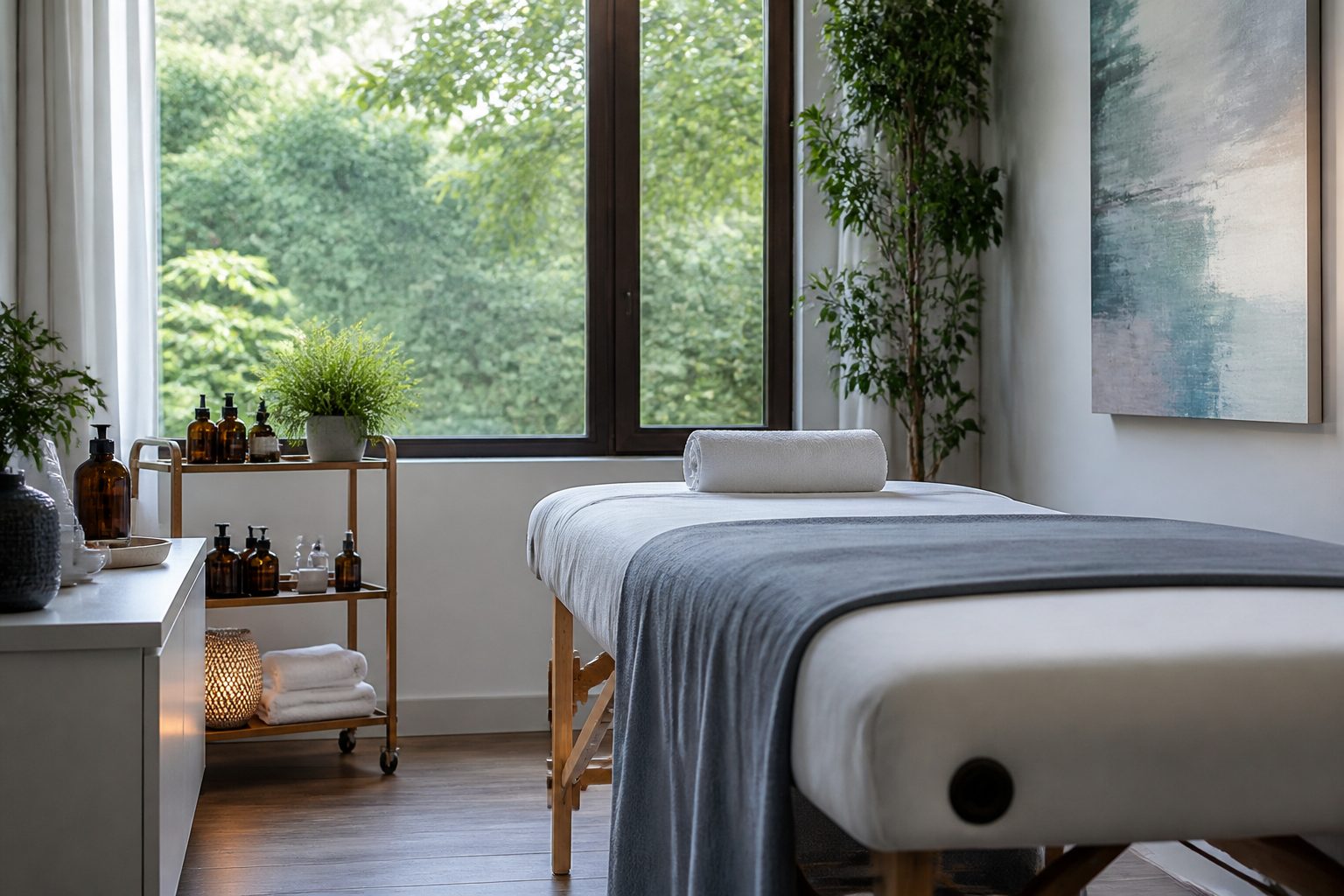
Residential naturopathy stays offer structured programmes combining traditional therapies, diet, yoga, and lifestyle consultation. They suit people seeking holistic care for chronic conditions, stress, or general wellness.
Costs for a one-week stay range from $350 at basic Indian centres to $4,000 or more at high-end global wellness resorts. Prices reflect accommodation type, therapy menu, medical expertise, and location.
What a residential naturopathy stay typically includes
Most residential naturopathy centres offer a blend of therapies, natural medicine consultations, and lifestyle interventions. Programmes are supervised by qualified practitioners, sometimes including Ayurveda, yoga therapy, Unani, or Traditional Chinese Medicine (TCM). Here’s what’s usually included:
- Initial consultation: A doctor or senior therapist assesses your medical history, concerns, and health goals, and prescribes a daily treatment plan.
- Daily therapies: Treatments may include massage, hydrotherapy, mud packs, herbal compresses, acupuncture, or other traditional modalities. The mix depends on the centre’s specialty.
- Yoga and meditation: Group or individual sessions are often scheduled each morning and evening, focusing on postures, breathing, and relaxation techniques.
- Diet and nutrition: Meals are typically plant-based and tailored for the programme’s goals—detox, disease management, or rejuvenation. Some centres follow strict naturopathic or Ayurvedic diets.
- Accommodation: Options range from shared dormitories to private suites. Room standard is a major cost factor.
- Educational sessions: Many centres offer talks or workshops on healthy living, stress management, and self-care practices.
- Follow-up consultations: Progress reviews and post-stay recommendations are often included.
Not all extras are included—certain advanced therapies, laboratory tests, or private appointments may cost extra. Always clarify inclusions at booking.
How much does a residential naturopathy stay cost?
The cost of a residential naturopathy stay is influenced by several factors, including the country and region, the reputation and accreditation of the centre, the duration of your stay, the type of accommodation, and the range of therapies included. In countries like India and Sri Lanka, where naturopathy is deeply rooted in traditional medicine and supported by lower operational costs, you’ll find some of the world’s most budget-friendly options. Here, a week-long stay typically ranges from $350 to $1,200, with basic shared rooms and standard therapies. In contrast, Thailand and Bali are known for their mid-range and luxury wellness resorts, offering more international amenities and higher service standards, with prices from $600 to over $2,800 per week.
- India: $350–$1,200 (₹29,000–₹99,000) for standard packages; luxury or celebrity-endorsed centres can cost significantly more.
- Sri Lanka: $500–$1,600, often including Ayurvedic elements alongside naturopathy.
- Thailand: $600–$2,800, with many resorts offering detox, weight loss, or stress management as core programmes.
- Indonesia (Bali): $700–$2,500, with a focus on holistic wellness and spa treatments.
- Europe: $1,500–$4,000, especially in countries like Germany and Switzerland where medical wellness tourism is popular.
- USA: $2,000–$4,500, often for boutique or integrative health retreats with licensed naturopathic doctors.
- Australia: $1,800–$3,800, with a strong emphasis on eco-friendly and sustainable practices.
For those on a tighter budget, some centres in India, Thailand, and Bali offer basic accommodation and limited therapies starting at $50–$90 per day. These packages may exclude extras like supplements or private sessions. On the other hand, luxury wellness resorts—especially those with private villas, celebrity practitioners, or intensive detox programmes—can charge upwards of $5,000 per week. When budgeting, also consider the cost of travel, travel insurance, visa fees, and any incidental expenses not included in the package. Always request a detailed breakdown before booking to avoid surprises.
Table: Weekly residential naturopathy costs by country
| Country | Typical cost (1 week) | Inclusions | Common exclusions |
|---|---|---|---|
| India | $350–$1,200 (₹29,000–₹99,000) | Accommodation, meals, therapies, yoga, doctor consults | Lab tests, advanced therapies, airport transfer |
| Sri Lanka | $500–$1,600 | Accommodation, meals, Ayurveda/naturopathy, yoga | Medications, extra spa services |
| Thailand | $600–$2,800 | Accommodation, meals, therapies, fitness, wellness talks | Supplements, personal training, excursions |
| Indonesia (Bali) | $700–$2,500 | Accommodation, meals, yoga, spa, wellness consult | Specialised treatments, airport transfer |
| Europe | $1,500–$4,000 | Accommodation, meals, therapies, fitness, medical checks | Cosmetic treatments, premium suites |
| USA | $2,000–$4,500 | Accommodation, meals, therapies, workshops | Lab tests, private therapy, supplements |
| Australia | $1,800–$3,800 | Accommodation, meals, therapies, yoga, consults | Medications, extended therapies |
Types of residential naturopathy programmes
Centres offer programmes tailored to various health goals and conditions. Common types include:
- Detox and cleansing: Emphasises fasting, hydrotherapy, and diet-based elimination of toxins. Popular in India and Thailand.
- Stress and burnout recovery: Combines yoga, meditation, gentle therapies, and lifestyle coaching.
- Chronic disease management: For diabetes, hypertension, obesity, arthritis, and digestive disorders. Programmes may combine naturopathy, Ayurveda, and yoga therapy.
- Panchakarma (Ayurveda): Intensive detoxification using herbal oils, massages, and dietary regimens. Usually available in India and Sri Lanka.
- Weight management: Integrates diet, exercise, and behaviour modification with natural therapies.
- Wellness retreats: General rejuvenation and prevention, often with spa-like amenities and a wider therapy menu.
Some centres specialise in one approach (e.g. Ayurveda or TCM), while others offer a hybrid model. Always check the centre’s expertise and practitioner qualifications before booking.
What is included in the price—and what is not
When booking a residential naturopathy stay, it’s crucial to understand exactly what your chosen package covers and what will incur additional charges. Most standard packages are designed to provide a comprehensive wellness experience, typically including accommodation in a standard room, three daily vegetarian or vegan meals, a set schedule of daily therapies such as massages, hydrotherapy, mud packs, or detox treatments, and at least one initial consultation with a resident naturopathic doctor. Group yoga, meditation, or breathing sessions are often included, and some centres offer daily educational talks or nature walks as part of the basic price.
- Airport transfers: Many centres, especially in India and Southeast Asia, do not include airport pickup and drop-off in the base price. This service may be available for an extra fee, which can range from $15 to $50 depending on distance and location.
- Personalised supplements or herbal medicines: While some basic herbal teas or tonics may be provided, any customised supplements, proprietary blends, or prescription herbal medicines recommended by the centre’s doctor are usually charged separately. Costs can vary widely, from $10 for a week’s supply to over $100 for more complex regimens.
- Advanced laboratory testing: If your programme requires blood tests, allergy panels, or other diagnostics, these are rarely included and are billed as extras. Prices can range from $20 for simple tests in India to several hundred dollars in Western countries.
- Private yoga or therapy sessions: While group classes are standard, private instruction or one-on-one therapies (such as advanced bodywork or personal coaching) are often available for an additional charge, sometimes $30–$100 per session depending on the practitioner’s experience and the centre’s prestige.
- Excursions or sightseeing: Organised trips to local attractions, markets, or nature reserves are generally not part of the standard package. If offered, these are priced separately and can range from $20 to $200 based on the activity and location.
- Special dietary requests: If you require gluten-free, allergen-free, or highly specialised diets, some centres may levy a surcharge due to the extra preparation and ingredient costs.
Other potential extra costs include premium accommodation upgrades (such as private villas or ocean-view suites), additional nights beyond your original booking, and access to spa facilities or pools at luxury resorts. Always request a detailed, written quotation before confirming your booking, and clarify whether taxes, service charges, and gratuities are included. This helps prevent surprises and ensures your stay meets both your expectations and your budget.
What drives the price of a naturopathy stay?
Several factors influence cost:
- Location: Centres in India and Sri Lanka are typically the most affordable. Resorts in Europe, the US, and Australia charge more due to higher operating costs and luxury standards.
- Centre reputation and accreditation: Facilities with established medical teams, international accreditation (e.g. NABH in India, JCI globally), or a long history may charge more.
- Room type: Shared rooms or dorms are cheapest. Private rooms and suites cost more, especially with scenic views or added amenities.
- Programme intensity: More therapies per day, advanced diagnostic services, or specialist consultations increase the price.
- Length of stay: Most centres offer discounts for longer stays (2+ weeks). Short stays may have a higher per-day cost.
- Season: Peak tourist seasons or holidays often mean higher rates, especially in resort destinations.
Compare what’s included in the daily rate, not just the headline price, to understand value.
How to choose a centre or programme
Start with your health goals—detox, chronic disease, stress, prevention, or general wellness. Consider:
- Medical supervision: Look for centres with qualified naturopaths, Ayurveda doctors, or allied health professionals on-site.
- Accreditation: In India, NABH accreditation is a quality marker. Internationally, JCI or local health authority approval is relevant.
- Specialisation: Some centres focus on Ayurveda, TCM, or yoga therapy; others offer a blend. Match your needs to their strengths.
- Patient reviews: Look for independent feedback on results, safety, and hospitality.
- International patient services: Translation, airport transfer, and help with visas or dietary needs are a plus for overseas visitors.
- Cost transparency: Request a detailed written quote specifying all inclusions, exclusions, and refund policies.
If you have a chronic condition or are on medication, consult your regular doctor before booking.
Hidden costs and how to save safely
While the advertised price of a residential naturopathy stay might seem straightforward, many travellers encounter hidden costs that can significantly increase the total expense. These extras often include prescribed herbal medicines, advanced diagnostic tests, private sessions with therapists or yoga instructors, premium meal options, and even taxes or service charges not disclosed upfront. For example, a centre in India may charge separately for Panchakarma treatments, while a luxury resort in Europe might bill for each additional spa service or wellness consultation.
To avoid unexpected expenses and save money safely, consider the following strategies:
- Book off-season: Rates are often 20–40% lower during the low season, particularly in tropical destinations like India, Thailand, and Bali. You’ll also benefit from smaller group sizes and more personalised attention.
- Choose shared or basic accommodation: Opting for a shared room or a standard cottage can reduce your costs by up to 50% compared to private suites or luxury villas.
- Clarify all extras: Before booking, request a full itemised quotation that lists all inclusions and potential surcharges, such as taxes, service fees, or mandatory gratuities.
- Look for discounts: Many centres offer reduced rates for early bookings, long-term stays (two weeks or more), or group reservations. Some also have loyalty programmes for returning guests.
- Bring your own supplements: If permitted, bringing your own vitamins or herbal remedies can help you avoid high mark-ups. However, always check local customs regulations and centre policies first.
- Check transport arrangements: Confirm whether airport transfers or local shuttles are included, as these can be costly if arranged last minute.
Most importantly, never cut corners on essential services like medical supervision, hygiene, or emergency care just to save money. Always research the centre’s reputation, read independent reviews, and verify staff credentials before committing. Transparent communication and careful planning are your best tools to ensure a safe, affordable, and rewarding naturopathy experience.
Planning your stay: practical tips
Proper planning is vital for a smooth and beneficial residential naturopathy experience, especially as popular centres often book out months in advance during peak seasons. Start by researching centres that align with your health goals, whether you seek detoxification, stress relief, or chronic disease management. Once you’ve shortlisted options, reach out to each centre with your medical history, current medications, allergies, and specific expectations to ensure they can accommodate your needs safely.
- Contact the centre: Share your health background and any pre-existing conditions. Ask about the availability of medical supervision, emergency protocols, and language support if you’re travelling abroad.
- Request a detailed itinerary: Ask for a sample schedule, list of included therapies, and a clear explanation of what’s covered in your package. This helps set realistic expectations and avoid misunderstandings.
- Check visa and entry requirements: For destinations like India, Sri Lanka, and Thailand, verify visa rules, required vaccinations, and current travel advisories. Some countries also require proof of health insurance.
- Arrange airport pickup: If you’re arriving internationally, pre-arrange airport transfers with the centre to avoid confusion and ensure a smooth arrival, especially if the centre is in a remote area.
- Pack appropriately: Bring lightweight, comfortable clothing suitable for yoga or outdoor activities, swimwear for hydrotherapy or pool sessions, and any prescription medicines in their original packaging. Include copies of medical prescriptions and a small first-aid kit.
- Notify dietary needs: Inform the centre in advance about any dietary restrictions, allergies, or food intolerances so they can prepare suitable meals.
Most centres supply basic toiletries, towels, and laundry services, but it’s wise to confirm these details ahead of time. International guests should purchase comprehensive travel insurance that covers medical emergencies, cancellations, and unexpected changes. Finally, set aside some time before your trip to mentally prepare—clear your schedule, reduce stressors, and approach your stay with an open and positive mindset for the best possible results.
The bottom line
Choosing a residential naturopathy stay is an investment in your health, offering a structured environment for healing, detoxification, and lifestyle transformation through natural therapies. These programmes are designed to combine traditional naturopathic approaches—such as hydrotherapy, therapeutic fasting, yoga, and plant-based nutrition—with modern wellness amenities. India and Southeast Asia are globally recognised for their affordable, authentic naturopathy centres, often blending local healing traditions with evidence-based care. However, luxury wellness resorts with advanced facilities and international staff can be found in Europe, North America, and Australia, catering to guests seeking premium comfort and privacy.
When comparing options, don’t focus on price alone. Evaluate the depth of medical supervision (such as daily doctor rounds or 24/7 nursing), the quality and variety of therapies, staff credentials, and the transparency of inclusions and exclusions. Patient reviews and independent ratings can help you assess real-world experiences. For those with chronic illnesses, mobility challenges, or ongoing medication needs, it is especially important to communicate openly with both your regular healthcare provider and the naturopathy centre. Some therapies may interact with conventional treatments or require medical clearance.
Ultimately, a residential naturopathy stay can provide a supportive reset for body and mind, but it is not a substitute for ongoing medical care. Approach your choice thoughtfully, ensuring that the centre’s philosophy, safety standards, and amenities align with your needs and expectations. Always consult your primary doctor before committing, particularly if you have complex health conditions or take prescription medication.
Frequently asked questions
How long should I stay at a naturopathy centre?
Most programmes recommend a minimum of 7 days for noticeable benefits. Chronic disease management or Panchakarma may require 2–4 weeks. Shorter stays can offer relaxation and a taste of therapies, but deeper results typically need a longer commitment.
Is medical supervision provided during the stay?
Reputable centres have qualified naturopaths, Ayurveda doctors, or allied health professionals on-site. Daily or regular check-ins are standard. Always confirm staff credentials before booking, especially if you have medical conditions.
Are naturopathy stays suitable for children or elderly patients?
Some centres accept children and seniors, but suitability depends on the patient’s health status and the therapies offered. Always discuss individual needs with the centre and your family physician before booking for vulnerable groups.
Can I continue my regular medication during a stay?
Most centres allow ongoing prescribed medication, but you must inform the staff in advance. Bring enough supply and original prescriptions. Never stop medication without your doctor’s approval, and clarify how therapies may interact with your regimen.
What should I pack for a residential naturopathy programme?
Pack comfortable, loose clothing, swimwear (for hydrotherapy), slippers, toiletries, and any prescription medication. Most centres provide yoga mats and towels. Bring medical documents, insurance details, and adaptors for electronics if travelling internationally.
Related guides
Disclaimer: Prices and inclusions are indicative and vary by centre, season, and individual medical needs. Always obtain a written quote and consult a qualified doctor before starting any new therapy programme.