
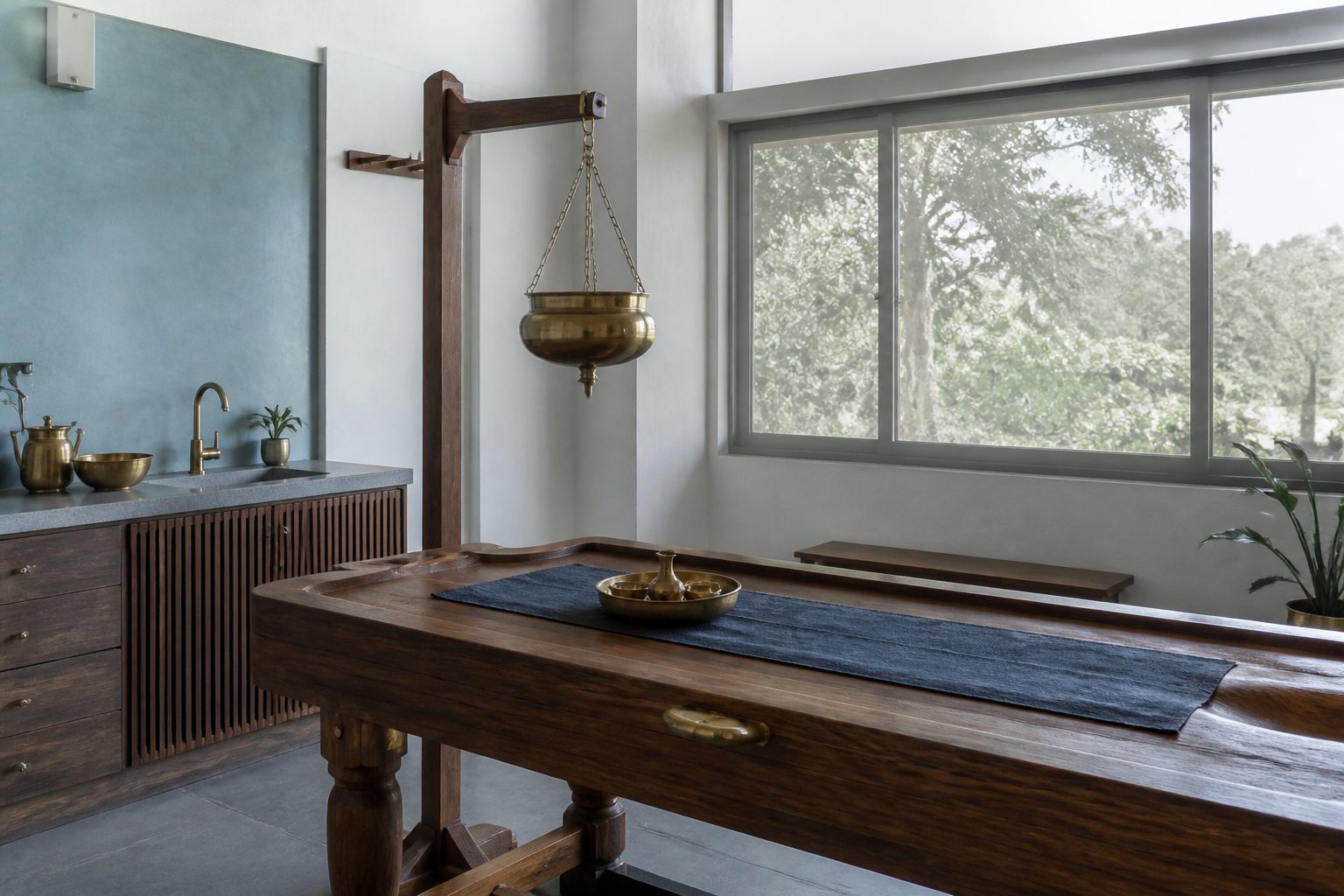
Panchakarma is a comprehensive Ayurvedic detox program that typically lasts between 14 and 21 days. Costs range widely, from $800 to $3,500 (₹66,000–₹2.9 lakh) depending on the centre, location, and what’s included.
This guide is for patients and wellness-seekers considering Panchakarma at Ayurveda hospitals, yoga therapy centres, or wellness retreats. It explains what a full program involves, how much time to allow, what’s usually covered in the price, and typical costs in India and worldwide.
What is Panchakarma and who is it for?
Panchakarma is a foundational practice in traditional Ayurvedic medicine, renowned for its holistic approach to deep detoxification and rejuvenation. The term “Panchakarma” means “five actions” in Sanskrit, referring to a set of five primary cleansing procedures: Vamana (therapeutic emesis), Virechana (purgation), Basti (medicated enemas), Nasya (nasal cleansing), and Raktamokshana (bloodletting, though this is rarely practiced today). The aim is to eliminate accumulated toxins (ama) from the body and restore balance to the three doshas—Vata, Pitta, and Kapha—believed to govern physical and mental health in Ayurveda.
Each Panchakarma program is highly individualized. Before starting, a qualified Ayurvedic doctor (Vaidya) conducts a detailed assessment, which may include pulse diagnosis, physical examination, and a review of your medical history and lifestyle. Based on this, the doctor devises a personalized treatment plan tailored to your constitution (prakriti), current health status, and specific health goals.
Panchakarma attracts a diverse range of people. It is often sought by those with chronic health issues—such as digestive disorders, autoimmune conditions, skin diseases, stress, or hormonal imbalances—as well as individuals seeking preventive wellness, improved immunity, or a structured mind-body reset. Many people also undergo Panchakarma as a seasonal cleanse to maintain overall vitality. However, it is not appropriate for everyone: reputable centres will screen out candidates with acute infections, severe heart conditions, advanced cancer, or women who are pregnant or breastfeeding. The initial assessment ensures safety and maximizes the program’s effectiveness for each individual.
Whether you are new to Ayurveda or a returning guest, Panchakarma offers a unique, immersive approach to healing that addresses both physical and emotional well-being. Its growing popularity worldwide is a testament to its comprehensive, time-tested methods and adaptability to modern lifestyles.
How long does a Panchakarma program take?
A full Panchakarma program typically lasts 14 to 21 days. Some centres offer shorter packages (7–10 days), but these are usually not considered complete Panchakarma and may focus on specific therapies or wellness goals. The classic sequence—preparation (Purvakarma), main detox (Pradhana Karma), and post-care (Paschat Karma)—is designed to be gradual and thorough. Some highly individualized protocols may extend to 28 days or more, particularly for chronic conditions.
The time commitment includes initial consultation, preparatory therapies (such as oil massages and steam baths), the main detox procedures (which may include therapeutic vomiting, purgation, enemas, nasal treatments, or bloodletting), and a recovery phase with dietary and lifestyle guidance. Many centres require guests to remain on-site for the entire duration to ensure safety and adherence to the program.
What is included in the price
When you book a Panchakarma program at a reputable Ayurveda hospital or wellness centre, the price is generally presented as all-inclusive, but it’s important to understand exactly what this entails. In India and Sri Lanka, standard packages typically cover the following core components:
- Initial consultation and daily check-ins: Your journey begins with a comprehensive health assessment by an Ayurvedic doctor, followed by daily monitoring and adjustments to your treatment plan as needed.
- Personalized treatment plan: This includes all prescribed Panchakarma therapies (such as Abhyanga, Virechana, Basti, Nasya, and Shirodhara) and the necessary herbal medicines or oils used during your stay.
- Accommodation: The package covers a private or shared room, with options ranging from basic to deluxe, depending on the centre and your budget.
- Ayurvedic vegetarian meals: All meals are freshly prepared according to Ayurvedic dietary principles and tailored to each phase of your detox. Some centres accommodate vegan or gluten-free requests at no extra cost.
- Yoga, meditation, and pranayama sessions: Daily group or individual classes support your physical and mental well-being, and are often led by experienced instructors.
- Access to amenities: You’ll have use of gardens, walking paths, meditation halls, and sometimes swimming pools or fitness areas, depending on the facility.
Many centres enhance the experience with optional extras, such as airport transfers, cultural programs (music, dance, temple visits), and workshops on Ayurveda, cooking, or herbal medicine. Luxury retreats or medical spas may include premium spa treatments, private yoga or fitness instruction, and upgraded rooms or suites—these come at a higher price point and should be clearly itemized in your quote.
Always clarify in advance whether taxes, service charges, and post-discharge medicines are included. If you require special diets or additional therapies (like physiotherapy or counseling), ask if these are part of the package or billed separately. Understanding these details ensures you can budget accurately and avoid unexpected expenses during your stay.
Cost of Panchakarma in India and other countries
India remains the most popular and affordable destination for authentic Panchakarma, but programs are also available in Sri Lanka, Nepal, Thailand, Bali, Europe, and North America. Prices vary based on location, centre reputation, doctor qualifications, accommodation type, and included services.
Below is a comparative table of indicative costs for a 14–21 day Panchakarma program at reputable centres in popular destinations. All prices are for mid-range, all-inclusive packages (private room, all treatments, meals, and doctor supervision):
| Country | Typical duration | Indicative cost | Inclusions |
|---|---|---|---|
| India | 14–21 days | $800–$2,500 (₹66,000–₹2.1 lakh) | All treatments, accommodation, meals, yoga |
| Sri Lanka | 14–21 days | $1,000–$2,800 (LKR 305,000–855,000) | All treatments, accommodation, meals, yoga |
| Nepal | 14–21 days | $1,200–$2,200 (NPR 160,000–295,000) | All treatments, accommodation, meals, yoga |
| Thailand | 14–21 days | $1,500–$3,200 (THB 54,000–115,000) | All treatments, accommodation, meals, yoga |
| Indonesia (Bali) | 14–21 days | $2,000–$3,500 (IDR 31–54 million) | All treatments, accommodation, meals, yoga |
| Europe | 14–21 days | $3,300–$7,000 (€3,000–€6,400) | All treatments, accommodation, meals, yoga |
| USA/Canada | 14 days | $5,000–$10,000 | All treatments, accommodation, meals, yoga |
| UK | 14 days | $4,000–$8,000 (£3,200–£6,400) | All treatments, accommodation, meals, yoga |
What drives the price of Panchakarma?
The main factors influencing cost are:
- Location: Centres in India and Sri Lanka are much more affordable than those in Europe or North America.
- Centre reputation and accreditation: JCI-accredited Ayurveda hospitals or high-end resorts command higher prices.
- Accommodation standard: Private rooms, suites, or villas add to the price.
- Doctor and therapist qualifications: Senior physicians and experienced therapists may increase costs, but also ensure safety.
- Programme length and intensity: Longer or more intensive protocols cost more.
- Extra services: Spa treatments, excursions, or airport transfers are usually charged separately at luxury retreats.
Budget centres may offer shared accommodation or group treatments at lower rates, but it is important to confirm the credentials of staff and the safety of facilities.
Inclusions, exclusions, and hidden costs
Before committing to a Panchakarma detox program, it is crucial to have a clear understanding of what your chosen package actually covers—and what it does not. Most reputable centres in India, Sri Lanka, and increasingly in Western countries offer packages that are marketed as all-inclusive. These typically cover your accommodation (ranging from basic shared rooms to premium suites), Ayurvedic vegetarian meals tailored to your treatment phase, daily therapies (such as Abhyanga, Shirodhara, and Basti), and regular consultations with an Ayurvedic doctor. However, the definition of “all-inclusive” varies, and hidden or extra costs can quickly add up if you are not attentive.
- Airport transfers: While some high-end centres offer complimentary pick-up and drop-off, many charge extra for this service, especially if you are arriving late at night or from a distant airport.
- Laboratory tests or diagnostics: Blood work, imaging, or other diagnostics that may be required before or during your program are frequently billed separately, particularly in hospital-based settings.
- Medications or supplements after discharge: You may be prescribed herbal medicines or dietary supplements to continue your healing at home, and these are often not included in the base package price.
- Extra spa treatments, excursions, or guest meals: Activities like massages outside the prescribed therapies, sightseeing trips, or meals for accompanying guests are usually charged à la carte.
- Premium room upgrades: Upgrading to a larger room, suite, or private villa can multiply your daily rate, especially in luxury resorts or international clinics.
In some countries, especially in India, it is also common for taxes and service charges to be added at checkout, which may increase your final bill by 10–18%. If you have international health insurance, check whether Panchakarma is covered—some policies will reimburse part of the cost if the treatment is deemed medically necessary and prescribed by a qualified practitioner. Always ask for a detailed breakdown of costs in writing, clarify payment schedules (some require large upfront deposits), and review cancellation and refund policies to avoid unpleasant surprises. If you have special dietary needs or mobility issues, inquire about potential surcharges for additional support.
How to save on Panchakarma safely
While Panchakarma can be a significant investment, there are several practical ways to make it more affordable without risking your safety or the effectiveness of your detox. The cost of Panchakarma varies greatly between countries and even within regions—India and Sri Lanka tend to offer the most competitive rates, especially outside of major tourist hubs. Here are proven strategies to reduce your expenses:
- Travel during off-peak seasons: In India and Sri Lanka, the summer and monsoon months (April–September) are considered off-peak, and many centres offer discounts of 20–40% compared to the high season. This not only lowers accommodation and treatment costs but also means smaller groups and more individualized attention.
- Choose mid-range, accredited centres: Instead of luxury resorts, look for well-established clinics with proper accreditation (such as NABH or Ministry of AYUSH in India) that maintain high standards but offer more reasonable rates. These centres often focus more on authentic therapies than on expensive amenities.
- Opt for shared rooms: If you are comfortable with less privacy, sharing a room can reduce your accommodation costs by up to 50%. Some centres also offer dormitory-style options for solo travelers on a budget.
- Book directly with the centre: Avoid third-party booking agencies, which may add commissions or hidden fees. Direct bookings can sometimes unlock special deals or free add-ons like airport transfers.
- Ask about package discounts: Many centres offer reduced rates for longer stays (14+ days) or for group bookings—perfect if you are traveling with friends or family. Some also have loyalty programs or off-season promotions.
However, never compromise on essential factors such as qualified medical supervision, hygiene standards, or the authenticity of the program. Avoid unlicensed or makeshift clinics that offer suspiciously low prices. Always verify the centre’s credentials, ask for references, and read independent reviews from previous international patients. If you have flexibility, consider scheduling your Panchakarma during local festivals or public holidays, when some centres offer special rates. Remember, your health and safety are paramount—cut costs wisely, not recklessly.
How to choose a Panchakarma centre
Selecting the right Panchakarma centre is a critical step that can shape your entire detox experience and health outcomes. With a growing number of options in India, Sri Lanka, Europe, and even North America, it’s important to look beyond glossy marketing and focus on concrete quality indicators. Here’s what to consider in detail:
- Medical supervision: Daily oversight by a qualified Ayurvedic physician (Vaidya) is essential. Ask about the doctor’s credentials, experience with international patients, and whether they are available on-site throughout your stay. In India, look for practitioners registered with the Central Council of Indian Medicine (CCIM).
- Customised protocols: True Panchakarma is never a standard set of treatments. The centre should conduct a thorough assessment (including pulse diagnosis, medical history, and sometimes lab tests) before tailoring therapies to your constitution and health goals. Be wary of centres offering rigid, pre-set schedules to all guests.
- Accreditation: Accreditation ensures a minimum standard of care and safety. In India, look for NABH (National Accreditation Board for Hospitals & Healthcare Providers), Ministry of AYUSH registration, or JCI (Joint Commission International) for hospitals and clinics. These affiliations are especially important if you are seeking insurance reimbursement.
- International patient services: If you are traveling from abroad, language support (English, German, Russian, etc.), assistance with visa paperwork, and airport transfers can make your journey smoother. Some centres also offer currency exchange, travel desk, and help with local SIM cards.
- Transparency: The centre should provide a clear, itemized breakdown of what is included in your package, extra costs, payment terms, and cancellation policies. Avoid places that are vague or unwilling to put details in writing.
- Facility standards: Inspect photos or, if possible, visit the centre to check for clean, well-maintained rooms, hygienic treatment areas, and adequate safety protocols. Ask about daily housekeeping, laundry services, and food safety measures.
Before booking, request a sample daily schedule to understand the rhythm of treatments, rest, and activities. Ask for doctor profiles, patient testimonials, and a detailed written quote that includes all taxes and potential add-ons. If you have special needs (dietary restrictions, mobility concerns, allergies), communicate these in advance to ensure the centre can accommodate you. Doing this research helps you avoid disappointment and ensures your Panchakarma experience is both safe and transformative.
Planning your stay and what to expect
Preparation and aftercare are key parts of Panchakarma. Most centres provide a pre-arrival checklist, including dietary recommendations and medication review. Once on-site, expect a structured daily routine: early morning yoga, treatments scheduled throughout the day, rest periods, and light, easily digestible meals. Outside food, caffeine, and digital devices may be restricted to enhance the detox process.
Plan for downtime: Panchakarma can be physically and emotionally intense. Many guests report fatigue, mild digestive upset, or emotional release as part of the process. After completing the program, gradual reintroduction of regular foods and activities is advised. Most centres offer follow-up support or online consultations for ongoing care.
Frequently asked questions
How many days are needed for a full Panchakarma detox?
Most authentic Panchakarma programs require 14 to 21 days, including preparation, main therapies, and recovery. Shorter packages may offer some benefits but are not considered complete detoxification in traditional Ayurveda.
Is Panchakarma safe for everyone?
Panchakarma should be supervised by a qualified Ayurvedic doctor. It is not suitable for pregnant women, those with certain acute illnesses, or very frail individuals. All reputable centres will assess your health before accepting you.
Are the results of Panchakarma scientifically proven?
Some studies suggest benefits for stress, digestion, and metabolic health, but robust clinical evidence is limited. Panchakarma is best viewed as a traditional wellness intervention rather than a proven cure for specific diseases.
What should I bring for my Panchakarma stay?
Loose comfortable clothing, personal toiletries, any ongoing medications, and a copy of your medical records if relevant. Most centres provide linens, towels, and basic amenities. Check with your chosen centre for a full list.
Can I do Panchakarma at home?
Some elements of Panchakarma can be adapted for home, but the full program requires professional supervision, specialised therapies, and medical oversight. Attempting full Panchakarma without guidance is not recommended.
Related guides
Disclaimer: Prices in this guide are indicative and may vary by centre, city, and individual requirements. Always request a detailed written quote and consult a qualified doctor before starting any Panchakarma or wellness program.