
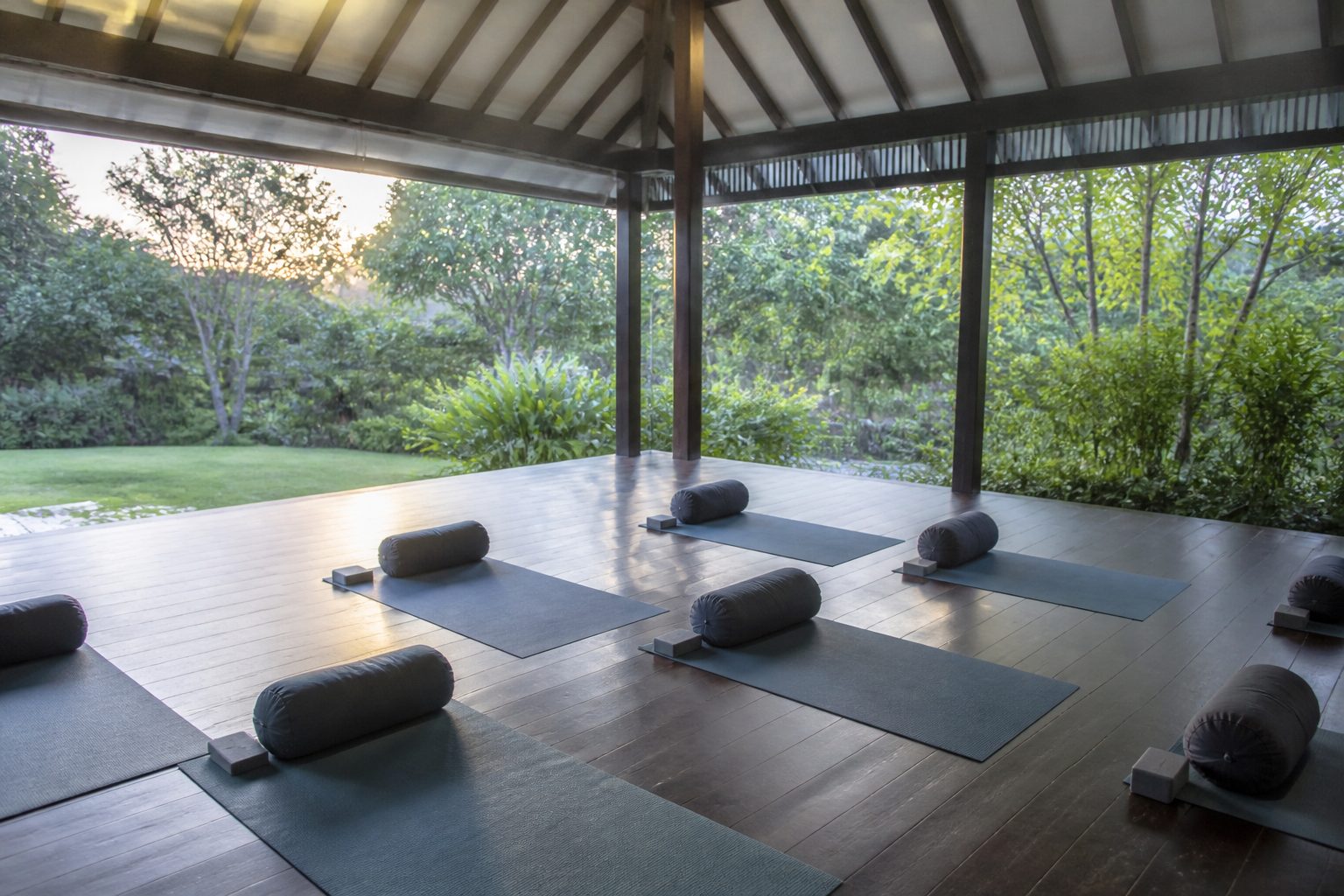
Wellness retreats offer a wide range of traditional and integrative therapies, from Ayurveda and Panchakarma to yoga, naturopathy, Unani medicine, Traditional Chinese Medicine (TCM), and modern medical spa treatments. If you are considering a wellness retreat to address chronic health concerns, recover from stress, or simply rejuvenate, understanding what is included and what it costs is crucial.
Fees for wellness retreat activities can range from $30 for a single yoga session to $2,500 or more for a comprehensive week-long residential program. Costs vary by country, facility type, duration, and the complexity of treatments on offer.
What wellness retreat activities typically include
Most wellness retreats and centres structure their programmes around holistic health, blending traditional medicine with evidence-based therapies. Here are the main categories of activities and treatments you may encounter:
- Ayurveda therapies: These include personalised consultations, body massages (Abhyanga), oil treatments (Shirodhara), herbal steam baths, and dietary recommendations based on your dosha type.
- Panchakarma detox: A multi-day cleansing and rejuvenation protocol involving preparatory treatments, purgation, enemas, and post-detox therapies. It requires medical supervision and is often residential.
- Yoga and meditation: Daily group or private classes, breathwork (pranayama), guided relaxation, and mindfulness training are standard inclusions.
- Naturopathy: Treatments may include hydrotherapy, mud therapy, dietetics, fasting regimens, and physical therapies, often combined with yoga and counselling.
- Unani and TCM: These traditional systems offer herbal medicines, cupping, acupuncture, moxibustion, and dietary therapies tailored to individual constitutions.
- Medical spa treatments: Facilities may offer detox wraps, therapeutic baths, physiotherapy, and aesthetic treatments, sometimes supervised by licensed practitioners.
Most retreats offer a combination of these activities, often as part of all-inclusive packages. The depth and intensity of the programme, the reputation of the centre, and the qualifications of the staff all influence the final price.
Comparing typical fees for wellness retreats worldwide
Fees reflect not only the therapies provided but also accommodation quality, setting, and staff expertise. Below is a comparison of typical costs for a 7-day residential wellness retreat at reputable centres in major wellness destinations.
| Country | Sample activity package | 7-day retreat fee | What’s included |
|---|---|---|---|
| India | Ayurveda & Panchakarma | $350-$1,500 (₹29,000-₹1.2 lakh) | Consultations, therapies, yoga, meals, basic room |
| Sri Lanka | Ayurveda & yoga | $500-$1,800 | Treatments, yoga, meditation, meals, standard room |
| Thailand | Detox & spa | $900-$2,500 (฿32,000-฿89,000) | Detox therapies, massages, fitness, luxury room, meals |
| Indonesia (Bali) | Yoga & holistic therapies | $800-$2,200 (Rp 12.5-34.4 juta) | Yoga, meditation, spa, meals, private or shared room |
| China | Traditional Chinese Medicine | $600-$1,900 (¥4,200-¥13,300) | TCM consults, acupuncture, herbal therapy, meals, room |
| Europe (Germany, Switzerland) | Medical spa & fasting | $1,800-$4,500 (€1,650-€4,000) | Medical consults, spa, diagnostics, meals, private room |
| USA | Integrated wellness | $2,000-$5,000 | Personalised therapies, fitness, meals, luxury room |
| Philippines | Spa & wellness | $500-$1,500 (₱28,000-₱84,000) | Massages, yoga, spa, meals, standard room |
These figures are for mid-range to premium retreats. Budget options (shared accommodation, basic food, fewer treatments) may start from $200 per week in India or Southeast Asia. Luxury or medical-grade facilities may exceed $5,000 per week, especially in Europe or North America.
What is and is not included in retreat fees
Understanding exactly what is covered in your wellness retreat fee is essential for budgeting and avoiding surprises. Typically, the base fee includes your accommodation, which may range from simple shared rooms to private luxury suites, and daily meals—often vegetarian, vegan, or tailored to specific dietary needs. Most retreats also provide a set number of therapies or treatments, such as massages, herbal baths, or hydrotherapy, as well as access to group yoga and meditation sessions. Initial health consultations with an in-house doctor or therapist are usually part of the package. In popular wellness destinations like Kerala (India), Bali (Indonesia), and Chiang Mai (Thailand), some mid- to high-end retreats may also include airport transfers, scheduled cultural excursions, or workshops on nutrition and mindfulness, though these extras are less common at entry-level price points.
However, many services fall outside the base fee and can add significantly to your overall cost. Common exclusions are:
- Advanced diagnostics (such as blood tests or imaging) or specialist consultations with medical doctors
- Extra or premium therapies, including additional massages, bespoke beauty treatments, or private yoga classes
- Medications, herbal supplements, or take-home wellness products recommended during your stay
- Off-site activities, day trips, guided nature walks, or cultural tours
- Travel expenses to and from the retreat, including flights and local transportation
It is vital to request a comprehensive list of what is included and excluded before booking, especially if you have specific health goals, require certain therapies, or have dietary restrictions. Some countries, like Thailand and India, have government-accredited retreats with transparent pricing, while private luxury retreats may have more variable inclusions. Always clarify whether additional treatments can be purchased on site and at what cost, and ask for a sample daily schedule to understand what you are getting for your fee. This transparency will help you avoid unexpected charges and ensure your experience matches your expectations.
Key cost drivers for wellness retreat programmes
The overall cost of a wellness retreat is influenced by a range of factors, many of which vary significantly by country and the type of retreat you choose. One of the primary cost drivers is location. Retreats in India, Sri Lanka, and Southeast Asia (such as Thailand and Bali) typically offer more affordable rates due to lower local operating costs and favorable currency exchange rates for international visitors. In contrast, wellness centres in Europe (like Switzerland, Germany) or North America (California, Canada) often charge premium prices, especially for medical spa, fasting, or high-tech wellness programmes.
- Type and intensity of therapies: Programmes that include comprehensive detoxification, Panchakarma, or medically supervised fasting require more staff, specialized equipment, and close monitoring, which increases costs. Simpler retreats focusing on yoga, meditation, or basic lifestyle coaching are generally less expensive.
- Accommodation standard: The choice of accommodation—from basic shared rooms to private luxury villas with ocean views—can dramatically affect the total price. In Bali or Goa, luxury suites may cost three to five times more than standard rooms.
- Duration: Longer stays often provide better value per day but result in a higher overall fee. Some therapies, such as Panchakarma in Ayurveda, require a minimum stay (usually 14-21 days) for full benefits, which must be factored into your budget.
- Staff expertise and accreditation: Retreats employing medical doctors, certified therapists, or those with international accreditations (such as NABH in India or JCI globally) tend to charge more due to their higher standards of care, advanced facilities, and ongoing staff training.
Additional factors include the inclusion of personalized health assessments, access to advanced diagnostics, and the presence of extra amenities such as swimming pools, fitness centres, or private beaches. Always compare what is included in the base fee and what is considered an add-on. Understanding these cost drivers will help you select a retreat that matches your budget and expectations, while ensuring that you receive safe, high-quality care.
Evidence, safety, and what to expect
When considering wellness retreat activities, it is important to understand both the evidence supporting their effectiveness and the safety protocols in place. Many traditional therapies such as Ayurveda, Traditional Chinese Medicine (TCM), and Unani have been practiced for centuries, with a strong emphasis on holistic healing and prevention. While these systems are recognized for their comprehensive approach to health, the level of robust clinical evidence varies greatly depending on the specific treatment. For example, yoga and meditation enjoy substantial scientific backing for their ability to reduce stress, improve mental health, and enhance overall well-being. Dietary interventions, especially those focused on plant-based or anti-inflammatory diets, also have growing research support for their role in chronic disease prevention.
However, for more intensive therapies—such as detoxification, Panchakarma, or extended fasting—it is crucial that these are performed under qualified medical supervision. This is especially important for individuals with existing health conditions like diabetes, hypertension, or autoimmune disorders. Reputable retreats in countries such as India, Thailand, or Bali typically require a pre-admission health assessment and will tailor treatment protocols to your individual needs. Always ensure you disclose your complete medical history and ask to see the credentials of the practitioners who will be overseeing your care. In India, for instance, look for practitioners registered with the Central Council of Indian Medicine (CCIM) or local health authorities.
Be cautious of retreats that make exaggerated claims about curing specific diseases or offer quick-fix solutions. Most credible wellness retreats focus on prevention, lifestyle improvement, and relaxation, rather than promising miracle cures. Ask for detailed information about what to expect day-to-day, the evidence behind recommended therapies, and the safety procedures in place—such as on-site emergency support or partnerships with nearby hospitals. This approach will help ensure your retreat experience is both safe and beneficial.
How to save safely on wellness retreat costs
Wellness retreats can be a significant investment, but there are several practical ways to reduce costs without compromising your safety or the quality of care. One of the most effective strategies is to book your retreat during the low season—such as the monsoon months in India (June to September) or the hot summer in Southeast Asia—when many centres offer substantial discounts on accommodation and treatment packages. Some retreats may offer savings of 20-40% during these periods.
- Opt for shared rooms or basic accommodations, which can reduce your costs by 30-50% compared to private or luxury suites. In countries like India, Sri Lanka, and Thailand, many reputable retreats offer clean, comfortable shared spaces at a fraction of the price.
- Choose shorter-duration introductory programmes, especially if you are new to wellness therapies. Many retreats offer 3- to 5-day taster packages that provide a comprehensive experience at a lower price point.
- Book directly with the retreat rather than through third-party booking platforms. This can help you avoid extra commissions and sometimes unlock exclusive package deals or last-minute offers. Always ask about discounts for early booking, group reservations, or extended stays.
- Look for government-accredited or hospital-affiliated centres, particularly in India and Thailand. These often have lower fees due to government support and generally maintain higher safety and hygiene standards.
- Clarify exactly what is included in your package—meals, airport transfers, therapies, and excursions—to avoid unexpected add-on fees. Some retreats offer all-inclusive rates, while others charge extra for certain services.
However, never cut corners on medical supervision, especially for intensive detox, Panchakarma, or fasting programmes. Always verify the experience and credentials of the staff, and ensure the retreat has clear emergency medical protocols and arrangements with nearby hospitals. If you have chronic health issues, consult your doctor before booking. By combining cost-saving strategies with diligent safety checks, you can enjoy a transformative wellness experience without exceeding your budget or risking your health.
How to choose the right wellness retreat
Selecting the ideal wellness retreat involves careful consideration of your personal health goals, medical needs, and budget constraints. Start by clearly defining your objectives: are you aiming for stress relief, detoxification, management of a chronic condition, weight loss, or spiritual growth? Your goals will influence the therapies and programmes best suited for you. For instance, Ayurveda and Panchakarma are popular in India for detox and chronic illness management, while yoga and meditation retreats in Bali or Thailand often focus on stress relief and mindfulness.
- Research therapies: Investigate the scientific evidence supporting the treatments offered. For example, yoga and mindfulness-based stress reduction have strong research backing, while some herbal therapies may have limited clinical proof. Consider your health profile—those with chronic illnesses should consult their doctor before choosing intensive detox or fasting programmes.
- Check credentials: Look for retreats staffed by licensed practitioners—Ayurvedic doctors registered with the Central Council of Indian Medicine (India), TCM practitioners certified by national boards (China), or yoga therapists with recognized accreditations. Some retreats are affiliated with reputable hospitals or have international certifications (e.g., JCI, NABH).
- Ask about customisation: The best retreats conduct thorough health assessments on arrival and tailor programmes to your needs, adjusting therapies, diet, and activity levels for safety and effectiveness.
- Review guest policies: Some retreats enforce silence, are alcohol- and tobacco-free, or have strict daily schedules. Make sure the retreat environment aligns with your expectations for comfort and personal space.
- Read independent reviews: Search for testimonials from international guests, focusing on the quality of care, staff professionalism, and clarity of costs. Look for feedback on how the retreat handles medical issues or emergencies.
Additionally, consider practicalities such as location (proximity to airports, climate, and accessibility), language spoken by staff, and the availability of emergency medical care. If possible, contact the retreat directly to ask detailed questions and request a sample itinerary. Taking these steps will help ensure the retreat you choose is safe, effective, and aligned with your personal wellness journey.
Planning tips for international guests
International clients should plan well in advance, as popular retreats may book out several months ahead, especially in peak season. Visa requirements vary: India and Sri Lanka offer medical or e-tourist visas for wellness stays. Some countries require proof of booking or a medical letter for longer stays.
Check if the retreat provides airport pickup, and clarify transport arrangements. Travel insurance is recommended, but note that most policies do not cover elective wellness therapies. If you have pre-existing conditions, inform the retreat in advance and carry relevant medical records. Confirm whether your dietary needs can be accommodated.
English is widely spoken at major wellness centres in India, Thailand, and Bali, but communication may be more limited at smaller or rural facilities. Ask about language support if needed. Finally, be realistic about your expectations: wellness retreats are best viewed as a reset for mind and body, rather than a cure for specific illnesses.
Frequently asked questions
What is the difference between Ayurveda, naturopathy, and TCM retreats?
Ayurveda and TCM focus on balancing body energies using personalised herbal medicines, therapies, and diet, rooted in Indian and Chinese traditions respectively. Naturopathy uses natural therapies like hydrotherapy, diet, and fasting, often with a more Western approach. All aim for holistic wellness but differ in methods and philosophy.
How long should I stay at a wellness retreat?
Most programmes run from 3 to 21 days. For full Panchakarma or intensive detox, a stay of 10-14 days is typical. Shorter stays (3-7 days) are suitable for stress relief or introductory experiences. Duration should match your health goals and available time.
Are wellness retreat therapies safe for everyone?
Most therapies are safe for healthy adults, but people with chronic illness, pregnancy, or specific health conditions should consult a qualified doctor first. Intensive detox or fasting requires close supervision. Always disclose your health history to the retreat’s medical team.
Do insurance plans cover wellness retreat costs?
Standard travel or health insurance rarely covers elective wellness retreats or traditional therapies, unless part of a prescribed rehabilitation. Some international policies may reimburse medical spa treatments if ordered by a doctor. Check with your insurer and clarify exclusions before booking.
Can I attend as a solo guest, or do I need to come with a group?
Most wellness retreats welcome solo guests and often tailor programmes individually. Group bookings may offer discounts, but you do not need to come with others. Many guests travel alone, seeking personal space and reflection as part of the experience.
Related guides
Disclaimer: Prices are indicative and vary by retreat, location, programme complexity, and season. Always request a written quote and consult a qualified healthcare provider before starting any intensive wellness therapy.