
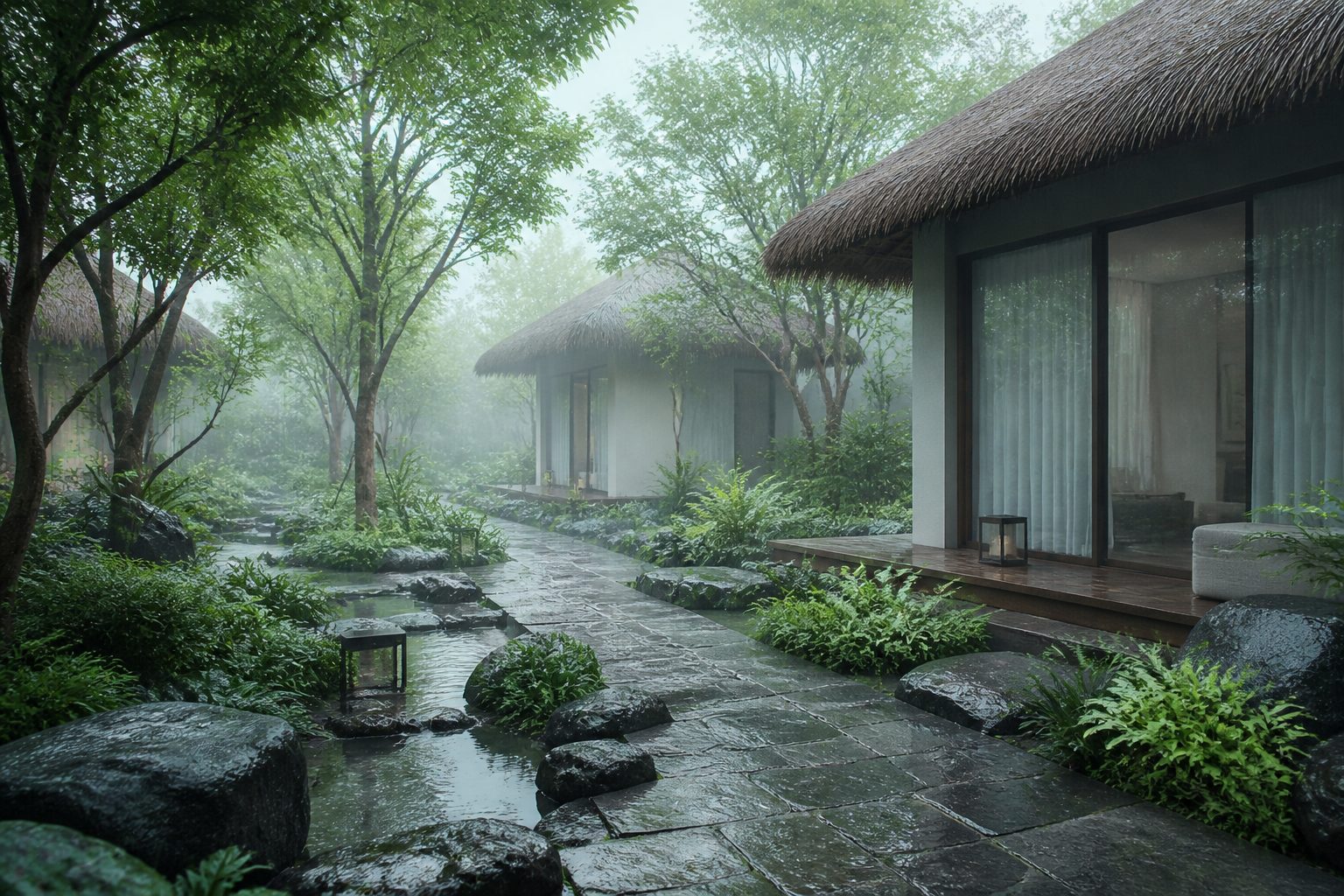
Wellness retreats for digital detox are designed for people seeking to reduce screen time and reset their physical and mental health. Typical guests include working professionals, students, and anyone feeling the effects of constant digital connectivity.
Programme costs range from $350 to $3,200 per week, depending on location, accommodation, and the therapies offered. This guide explains what’s included, what to expect, and how to compare options.
What is a digital detox wellness retreat?
A digital detox wellness retreat is a carefully structured escape designed to help individuals disconnect from the constant demands of technology and reconnect with themselves. These programmes require guests to voluntarily surrender or limit access to electronic devices such as smartphones, laptops, tablets, and even televisions for the duration of their stay. The underlying goal is to break the cycle of digital dependency, reduce stress, and foster healthier habits around technology use.
Most digital detox retreats are set in serene, natural environments—think forested hills in Thailand, coastal sanctuaries in Portugal, or mountain hideaways in India—where the soothing surroundings support relaxation and mindfulness. The length of these retreats can vary widely, from brief three-day getaways ideal for beginners, to immersive multi-week experiences that focus on deep transformation. In countries like India and Sri Lanka, retreats often blend traditional healing systems such as Ayurveda or Yoga with digital detox principles, while in Western Europe, you might find a stronger emphasis on mindfulness, nutrition, and psychotherapy.
Programme elements typically include daily yoga and meditation sessions, guided nature walks, therapeutic treatments (such as massages, acupuncture, or hydrotherapy), and group workshops on topics like stress management, mindful eating, or emotional resilience. Many retreats also offer nutritional guidance, with menus designed to support detoxification and overall well-being—sometimes with a focus on organic or locally sourced ingredients. Lifestyle counselling is a common component, equipping guests with practical tools to manage technology use once they return home.
The overarching aim is not only to help participants manage stress and improve sleep, but also to encourage a more mindful and intentional relationship with digital devices. By removing the distractions of daily digital life, guests are able to focus on self-care, personal growth, and meaningful face-to-face interactions. Whether you’re seeking a reset from work-related burnout or hoping to cultivate healthier daily habits, a digital detox wellness retreat provides a supportive environment for lasting change.
Core programme elements: What’s included
Digital detox retreats typically offer a blend of the following:
- Initial assessment: Medical or wellness consultation to tailor therapies.
- Traditional therapies: Ayurveda (Abhyanga, Shirodhara, Panchakarma), TCM (acupuncture, herbal therapies), Unani, naturopathy, or medical spa treatments.
- Yoga and meditation: Daily classes for all levels, often including breathwork (pranayama), mindfulness, and guided relaxation.
- Nutrition: Specially designed meals, often vegetarian or vegan, based on traditional dietary principles.
- Lifestyle workshops: Sessions on sleep hygiene, stress management, and mindful living.
- Nature immersion: Walks, gardening, or outdoor activities to reconnect with natural rhythms.
- Device-free environment: Secure storage for personal devices, with limited or no Wi-Fi access.
Some retreats may also include spa therapies, hydrotherapy, journaling workshops, or creative activities, depending on the facility’s focus.
Types of wellness centres and their approaches
The main types of centres offering digital detox programmes are:
- Ayurveda hospitals and clinics: Focus on detoxification (Panchakarma), herbal medicines, and dietary adjustments. Programmes are often supervised by registered practitioners.
- Naturopathy and yoga therapy centres: Emphasise non-invasive treatments, hydrotherapy, and yoga-based routines, sometimes with fasting or raw diets.
- Traditional Chinese Medicine (TCM) and Unani centres: Offer herbal therapies, acupuncture, and dietary recommendations rooted in ancient systems.
- Medical spas: Blend Western and Eastern therapies, offering massages, nutrition counselling, and sometimes supervised fasting or cleansing.
- Wellness retreats: Focus on holistic well-being, integrating various traditional and modern therapies, often with luxury amenities and international guest support.
Each centre will have its own philosophy, treatment depth, and level of medical oversight. Accreditation and practitioner credentials can vary, especially outside major cities.
Programme durations and typical schedules
Digital detox wellness retreats are designed with a range of durations to cater to different needs, time constraints, and budgets. While short three-day escapes are popular for those seeking a quick reset, most guests opt for one- or two-week programmes, which allow for deeper relaxation and more lasting habit changes. In countries like India and Thailand, multi-week immersive retreats are also common, often incorporating intensive healing therapies and lifestyle counselling.
The daily schedule at a digital detox retreat is carefully structured to maximize the benefits of device-free living. A typical day might begin with sunrise yoga or meditation, helping guests ground themselves and set a mindful tone. This is often followed by a nutritious breakfast, sometimes featuring local or organic ingredients. Mid-morning is usually reserved for therapeutic treatments, such as Ayurvedic massage in India, acupuncture in China, or hydrotherapy in European spas.
- Morning: Yoga, meditation, or breathwork sessions, often held outdoors to take advantage of natural surroundings.
- Midday: Holistic therapies (massage, acupuncture, herbal treatments), nutrition workshops, or individual consultations with wellness practitioners.
- Afternoon: Guided nature walks, group activities like art therapy, or mindfulness workshops. Some retreats offer cultural excursions or cooking classes.
- Evening: Group mindfulness or relaxation sessions, educational talks on stress management or healthy living, and light, wholesome dinners.
Most retreats build in free time for rest, journaling, or personal reflection, and actively encourage social interaction and connection with nature. Device use is strictly controlled: in some places, all electronics are collected at check-in and stored securely, while others permit limited access during set hours for emergencies. For example, retreats in Portugal may allow guests to check messages for 30 minutes each day, whereas in India, complete digital silence is enforced for the duration of the stay.
The structure and intensity of the schedule can vary by country and retreat philosophy. Some European centres emphasize gentle schedules with plenty of downtime, while Asian retreats may offer more rigorous, therapy-focused itineraries. Regardless of duration, the aim is to create an immersive, supportive environment that facilitates genuine digital disconnection and holistic well-being.
Comparing costs: Countries and inclusions
Programme costs vary widely depending on the country, type of centre, level of accommodation, and included therapies. Below is a comparative table of typical one-week programme costs in major wellness destinations. Prices include accommodation, meals, core therapies, and group classes. Extras (private consultations, premium treatments, airport transfers) may cost more.
| Country | Typical 1-week cost | Includes | Not included |
|---|---|---|---|
| India | $350–$1,200 (₹29,000–₹99,000) | Accommodation, all meals, Ayurvedic or yoga therapies, group classes | Flights, specialty therapies, personal expenses |
| Sri Lanka | $480–$1,600 (LKR 150,000–510,000) | Accommodation, Ayurveda, meals, yoga, some excursions | Flights, advanced Panchakarma, spa extras |
| Thailand | $650–$2,200 (฿23,000–฿78,000) | Accommodation, meals, TCM or spa therapies, yoga/meditation | Flights, premium spa, private sessions |
| Indonesia (Bali) | $600–$1,900 (IDR 9–28 million) | Accommodation, meals, yoga, spa or naturopathy therapies | Flights, special detox add-ons, private coaching |
| Malaysia | $700–$1,800 (MYR 3,300–8,500) | Accommodation, meals, TCM or integrative therapies, yoga | Flights, optional diagnostics, personal treatments |
| Turkey | $850–$2,400 (₺27,000–76,000) | Accommodation, meals, spa, yoga, Unani or TCM therapies | Flights, premium wellness services |
| Europe (Spain, Portugal) | $1,400–$3,200 (€1,300–€2,900) | Accommodation, meals, spa, yoga, Western and Eastern therapies | Flights, medical diagnostics, high-end spa |
| USA | $1,600–$3,200 | Accommodation, meals, wellness therapies, group classes | Flights, medical consults, premium spa |
What is not included in most packages
Even at higher-end retreats, certain costs are almost always excluded from the base price. These may include:
- Airfare and airport transfers: Usually not bundled, though some luxury retreats offer pickup for a fee.
- Private therapies or diagnostics: Advanced Panchakarma, TCM diagnostics, or one-to-one coaching sessions are often extra.
- Personal expenses: Laundry, souvenirs, tips, or off-site excursions.
- Medical emergencies: Most retreats require proof of insurance or a waiver for acute medical needs.
- Supplements and herbal medications: Sometimes included, but often billed separately, especially for personalised blends.
Always ask for a detailed breakdown of inclusions and exclusions before booking. Some retreats can provide a full board package, while others operate on a la carte pricing for certain therapies or meals.
Hidden costs and how to avoid surprises
While published prices for digital detox wellness retreats often seem all-inclusive, guests are frequently caught off guard by a variety of additional charges that can quickly add up. Understanding what is—and isn’t—included in your package is essential, especially since cost structures and customary tipping practices vary significantly by country and region. For example, in Southeast Asia, you may find that service charges are automatically added to bills, while in Europe, local taxes or tourist levies might not be included in the initial quote. Below are some of the most common hidden costs:
- Room upgrades: Standard packages often include shared or basic rooms, but upgrading to a private suite or a room with a view can cost significantly more, sometimes doubling nightly rates in popular destinations like Thailand or Bali.
- Premium treatments: While a few spa therapies may be included, specialized massages, hydrotherapy, or advanced beauty treatments such as facials or body wraps are usually extra and can range from $50 to $200 per session, depending on the country.
- Specialty diets: If you require gluten-free, vegan, keto, or allergy-specific meals, some retreats—especially in Europe or North America—may charge a daily supplement due to the higher cost of ingredients or extra preparation.
- Check-in/out fees: Arriving early or leaving late often incurs additional charges, particularly in high-demand destinations like India during peak wellness season.
- Gratuities and service charges: In some countries, tipping is expected for therapists and housekeeping, while others add a mandatory service charge of 10–15% to your bill.
- Transportation: Airport transfers or shuttle services to remote retreats are sometimes excluded and can be costly, especially in countries with limited public transport.
- Workshops and excursions: Guided hikes, cooking classes, or cultural tours may not be included and can add $30–$100 per activity.
To avoid budget surprises, take these practical steps:
- Request a detailed breakdown of what is included in your package, ideally with a sample daily schedule and a list of all therapies and activities covered.
- Ask for a written quote that specifies taxes, service charges, and any optional add-ons.
- If you have dietary restrictions or medical needs, clarify in writing whether these can be accommodated and if there are any surcharges.
- Inquire about deposit and cancellation policies—many retreats require a non-refundable deposit or have strict cancellation terms, especially in Europe and North America.
- Read independent reviews to see if previous guests mention unexpected costs, and check if the retreat is transparent about their pricing on their website or in their communications.
By proactively seeking clarity and documentation, you can avoid most hidden charges and ensure your digital detox experience remains both restorative and financially predictable.
How to choose a retreat: Practical criteria
Selecting the right digital detox wellness retreat can make a significant difference in your experience and outcomes. Given the wide variety of programmes available worldwide, it is important to weigh several practical criteria before making a decision. Cost, location, and programme content are just the starting points—other factors can greatly influence comfort, safety, and results.
- Therapeutic approach: Determine whether the retreat specializes in a particular healing tradition (Ayurveda in India, Traditional Chinese Medicine in China, naturopathy in Germany), or offers a blended approach. Some guests prefer a science-based programme, while others seek spiritual or holistic therapies.
- Level of medical oversight: Check if therapies are supervised by licensed practitioners, especially if you have chronic health conditions or are trying new treatments. In countries like India and Thailand, reputable retreats employ certified Ayurvedic doctors or yoga therapists; in Europe, look for centres with registered medical staff.
- Accreditations: Look for recognised certifications such as NABH (India), JCI (international), or local health authority approvals. These ensure the retreat meets minimum standards for safety, hygiene, and professionalism.
- Programme flexibility: Assess whether the retreat offers customizable modules to suit your personal health goals or if it follows a rigid schedule. Customization is especially important for guests with specific dietary, fitness, or mental health needs.
- Language support: Ensure staff can communicate in your preferred language. Many reputable retreats in Asia and Europe cater to international guests and offer services in English, but smaller or rural centres may not.
- Accommodation quality: The range varies from basic shared rooms to luxury villas. Consider your comfort preferences and budget—private suites are pricier but may be essential for privacy or medical reasons.
- Reviews and reputation: Read independent guest reviews on multiple platforms and verify staff credentials. Look for consistent feedback about programme quality, safety, and transparency.
Additionally, consider logistical factors such as location (proximity to airports, climate, and local attractions), cancellation policies, and what is included in the price. Be cautious of retreats making grandiose promises or guaranteeing miracle cures—legitimate centres focus on evidence-based wellness and sustainable lifestyle improvements rather than quick fixes. By carefully evaluating these criteria, you can choose a retreat that aligns with your goals, health needs, and budget, ensuring a rewarding and rejuvenating digital detox experience.
How to save safely on your digital detox
Digital detox wellness retreats can be a significant investment, but there are several reliable ways to make your experience more affordable without sacrificing safety or programme quality. Costs can vary greatly depending on the country—retreats in Southeast Asia (such as Thailand or Bali) often offer excellent value compared to those in Western Europe or North America, where labour and facility costs are higher. Here are some practical strategies to help you save:
- Travel off-peak: Prices drop considerably during shoulder or low seasons. For instance, in India, attending during the monsoon months (June–September) can reduce rates by up to 30%. Similarly, summer months in Southeast Asia or winter in Southern Europe are less crowded and more budget-friendly.
- Choose shared accommodation: Opting for a dormitory or twin-share room can lower your daily costs by 40–60% compared to private suites. In countries like Sri Lanka or Indonesia, shared options are often comfortable and still provide ample privacy.
- Shorter stays: Many retreats offer 3–5 day introductory programmes at a fraction of the cost of week-long or longer stays. This is ideal if you’re new to digital detox or want to trial a centre before committing to a more expensive, extended programme.
- Book directly: Contacting the retreat directly—rather than through third-party booking platforms—can unlock exclusive discounts, early-bird specials, or last-minute deals. Some facilities in Thailand and India offer up to 15% off for direct bookings.
- Compare inclusions: A slightly higher upfront fee may actually save you money if it includes more therapies, meals, or excursions. For example, some European retreats bundle daily massages and airport transfers, whereas others charge for each add-on.
- Look for packages or group rates: Travelling with a friend or joining as part of a group can sometimes secure additional discounts, particularly in resorts in Bali or Portugal.
Before booking, always review what is included in the package and request a sample itinerary. If you’re new to traditional therapies such as Ayurveda, consider starting with a shorter or introductory programme to assess your comfort and suitability before investing in a longer, more expensive stay. Lastly, check cancellation and refund policies—especially important if you’re travelling internationally—so you’re not caught out by unexpected changes or fees.
Frequently asked questions
What health benefits can I expect from a digital detox retreat?
Many guests report improved sleep, reduced stress, better concentration, and a greater sense of well-being. While these retreats are not a substitute for medical treatment, structured breaks from screens and digital devices can help reset unhealthy habits and promote mindfulness.
Are these retreats safe for people with chronic health conditions?
Reputable retreats require a health questionnaire and may request medical clearance for those with chronic illnesses. Programmes can often be adjusted, but always disclose your health history and consult your doctor before attending.
Will I have access to my phone or computer at all?
Most digital detox retreats require guests to surrender devices at check-in, but emergency contact is usually possible via the reception desk. Some programmes allow limited device use during designated hours.
Can I attend with a friend or family member?
Yes, many retreats welcome pairs or groups and can provide shared accommodation. Some offer group discounts, but check if your chosen centre supports this, as some focus on solo experiences for deeper reflection.
How do I know if a retreat is properly accredited?
Ask about accreditations such as NABH in India or JCI for international standards. Look for qualified practitioners, transparent information on therapies, and independent reviews to assess credibility.
Related guides
Disclaimer: Prices are indicative and can vary by centre, season, and individual health needs. Always request a written quote and consult a qualified doctor before booking any wellness or medical programme.