
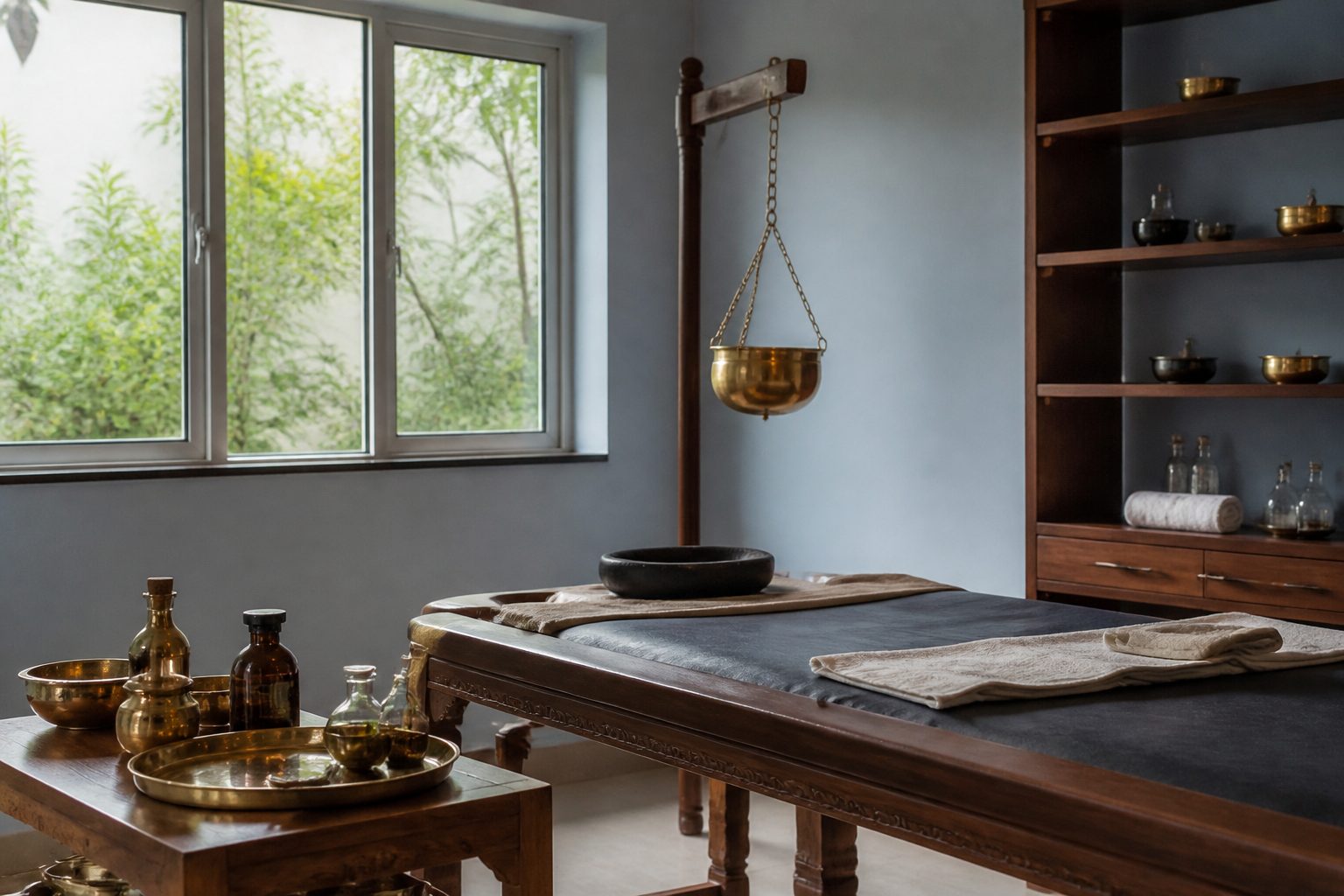
Panchakarma programmes for chronic stress typically cost $1,200–$6,000 (₹1–5 lakh) in India and $2,500–$9,500 (€2,300–€8,800) in Europe. Prices depend on location, length of stay, and what’s included, but most packages cover accommodation, meals, doctor consultations, and all therapies.
This guide is for anyone considering Panchakarma for stress relief, comparing options across India and Europe. We outline what’s included, typical costs, hidden fees, and how to choose a safe, effective wellness centre.
What is Panchakarma and how is it used for stress?
Panchakarma is a classical Ayurvedic detoxification and rejuvenation programme designed to restore balance in mind and body. For chronic stress, practitioners tailor therapies to calm the nervous system, improve sleep, and support emotional wellbeing. Programmes generally last 7–21 days and combine daily treatments (such as oil massages, herbal steam, and gentle cleansing), yoga, meditation, and a personalised diet. While many patients report improved mood and resilience, scientific evidence for specific benefits is still emerging. Panchakarma is not a cure for medical conditions but may complement other therapies for stress management.
What’s included in a Panchakarma programme?
Panchakarma programmes are typically offered as comprehensive, all-inclusive packages designed to create an immersive healing experience. The core components almost always include a detailed initial assessment by an experienced Ayurvedic doctor, who will evaluate your health status, stress levels, and constitution (dosha) to customise your treatment plan. Ongoing assessments ensure your therapies are adjusted according to your progress and comfort.
- Daily therapies: Your schedule will feature a range of classic Ayurvedic treatments such as Abhyanga (herbal oil massage), Shirodhara (oil pouring on the forehead), Swedana (herbal steam therapy), and Basti (medicated enemas). The exact mix and frequency depend on your individual needs and the centre’s expertise.
- Medicinal preparations: Specially formulated herbal oils, pastes, and decoctions are provided to support detoxification and stress reduction. These are usually included in the base price, though rare or imported herbs may incur a surcharge at some centres.
- Mind–body practices: Daily yoga and meditation sessions are standard, helping to reinforce the mind–body connection and promote relaxation. Some centres also offer pranayama (breathwork), chanting, or mindfulness workshops.
- Meals: All meals are included, typically based on a sattvic or Ayurvedic diet tailored to your dosha and therapeutic needs. Meals are vegetarian, freshly prepared, and designed to support detoxification.
- Accommodation: Packages cover your stay, with options ranging from basic shared rooms in India to luxurious private suites in European resorts. The standard of accommodation is a major cost variable.
- Facilities: Access to on-site amenities such as healing gardens, walking trails, pools, or relaxation lounges is usually part of the package, contributing to the restorative atmosphere.
Premium retreats, especially in Europe, may add extras like airport transfers, cultural excursions, or post-programme health coaching. Always clarify what is included before booking, as flights, travel insurance, and personal spending are almost never part of the base price. Comparing inclusions helps you assess true value, not just headline costs.
Cost comparison: India vs Europe
India remains the most budget-friendly destination for authentic Panchakarma, with a wide range of centres from basic clinics to luxury resorts. Europe (especially Germany, Switzerland, Austria, and Spain) offers high-end wellness retreats and medical spas, often with a blend of Ayurvedic and Western therapies. European prices reflect higher operational costs, stricter regulations, and more luxurious settings.
Below is a cost comparison for a typical 14-day Panchakarma programme for chronic stress, based on current 2024 rates. Prices are per person and include accommodation, meals, consultations, and treatments.
| Country | Typical 14-day cost | Accommodation type | Inclusions |
|---|---|---|---|
| India | $1,200–$3,500 (₹1–3 lakh) | Private or shared room | All therapies, meals, yoga, doctor consults |
| Sri Lanka | $1,600–$4,000 | Private room | All therapies, meals, yoga, doctor consults |
| Germany | $4,000–$8,000 (€3,700–€7,500) | Private room, often luxury | All therapies, meals, yoga, Western medical support |
| Switzerland | $5,500–$9,500 (CHF 5,000–8,600) | Luxury suite | All therapies, meals, yoga, medical spa facilities |
| Austria | $3,800–$7,500 (€3,500–€6,900) | Private room, wellness resort | All therapies, meals, yoga, doctor consults |
| Spain | $3,500–$7,200 (€3,200–€6,600) | Private room, coastal retreat | All therapies, meals, yoga, doctor consults |
| UK | $4,500–$8,500 (£3,600–£6,800) | Private room, wellness centre | All therapies, meals, yoga, sometimes clinical support |
| Portugal | $2,800–$6,500 (€2,600–€6,000) | Private room, nature retreat | All therapies, meals, yoga, doctor consults |
What drives the price of Panchakarma?
The main factors affecting cost are:
- Location: Centres in India and Sri Lanka have lower staff and facility costs. European retreats are often in high-cost areas or luxury resorts.
- Length of stay: Most packages are 7–21 days. Longer stays increase costs but may offer better value per day.
- Accommodation: Private suites and luxury amenities add to the price. Shared or basic rooms lower costs.
- Therapy intensity: High-end centres may include more daily therapies, advanced diagnostics, or extra wellness services.
- Practitioner qualifications: Programmes led by senior, internationally trained doctors or with medical support may cost more.
- Inclusions: Some packages add airport transfers, excursions, or post-retreat support.
Always clarify what is included and request a day-by-day schedule before booking.
What is not included in the package price?
When budgeting for a Panchakarma programme, it’s important to be aware of the common exclusions that can significantly impact your overall cost. While most packages are marketed as all-inclusive, several key expenses are typically not covered and must be planned for separately.
- Flights and airport transfers: International and domestic airfare is almost never included. Airport transfers may be bundled at luxury European retreats, but in India, they are usually extra unless you book a premium package.
- Travel insurance: This is essential for all international guests and is never part of the retreat price. Comprehensive insurance should cover medical emergencies, trip cancellations, and lost luggage.
- Visa fees: For India and Sri Lanka, most travellers require a visa, which can cost anywhere from €30–€100 depending on nationality and processing speed.
- Personal expenses: These include souvenirs, additional snacks, laundry services, and gratuities. In India, even basics like bottled water, Wi-Fi, or air conditioning may incur extra charges at budget facilities.
- Medical extras: If you require additional diagnostics, lab tests, or consultations with non-Ayurvedic specialists, these are billed separately. This is more common in European clinics that offer integrated medical services.
- Additional therapies: Any spa treatments or therapies outside the standard daily plan—such as beauty treatments, advanced massages, or private yoga sessions—are usually not included.
In Europe, upscale retreats may include perks like private airport transfers or complimentary laundry, but always read the fine print. In India, clarify in advance what is included, as even seemingly basic amenities can be add-ons. To avoid surprises, request a detailed breakdown of inclusions and exclusions before booking, and factor these potential extras into your total budget.
How to choose a safe, reputable centre
Choose a centre with a track record of treating international guests and clear, detailed information about staff qualifications. Look for:
- Accreditation (such as NABH in India, or affiliation with medical associations)
- Experienced, registered Ayurvedic doctors (BAMS degree or higher)
- On-site medical support for emergencies (especially in Europe)
- Transparent pricing and day-by-day schedules
- Realistic claims (no promises of cures for stress or chronic disease)
- Positive reviews from international patients
Ask for sample daily schedules, details of included therapies, and a copy of the centre’s safety protocols. If you have a medical condition or are taking prescription medicines, discuss this with both your own doctor and the centre’s doctor before booking.
How to save money safely
Reducing the cost of a Panchakarma programme does not have to mean compromising on safety or quality. There are several practical steps you can take to keep expenses manageable while ensuring a positive and effective experience.
- Travel off-peak: In India, the low season runs from April to September, while in Europe it’s typically November to March. Prices can drop by 20–40% during these periods, and centres are often less crowded, allowing for more personalised attention.
- Opt for basic accommodation: Choosing a shared room or the most modest accommodation tier can substantially lower your daily rate, especially in India where luxury upgrades can double the cost.
- Book directly: Avoid third-party agents who may add hefty commissions. Contact the centre’s international booking desk for transparent pricing and potential loyalty or early-bird discounts.
- Negotiate for longer stays: Many centres offer significant discounts for stays of two weeks or more, or for early bookings. Always ask about available offers.
- Consider smaller clinics: Boutique or family-run centres in India, often located outside major tourist hubs, can provide authentic Panchakarma at lower prices, provided they have a good reputation and qualified staff.
- Bring essentials: Pack all required medications, toiletries, and travel necessities from home to avoid inflated prices at retreat shops. In India, even basic items like sunscreen or insect repellent can be marked up for foreigners.
Above all, never cut corners on health and safety. Always verify the qualifications of staff, hygiene protocols, and the centre’s track record with international guests. Check independent reviews and look for accreditations from reputable Ayurvedic or wellness bodies. If an offer seems suspiciously cheap, it may signal substandard care or hidden costs. Prioritise transparency and safety to ensure your Panchakarma experience is both affordable and effective.
Understanding the evidence and limitations
Panchakarma is deeply rooted in the centuries-old traditions of Ayurveda, which approaches health holistically by addressing physical, emotional, and mental imbalances. Many people undergoing Panchakarma for chronic stress report feeling calmer, sleeping better, and experiencing a greater sense of wellbeing. These subjective benefits are supported by some small-scale clinical studies, which suggest improvements in stress biomarkers, inflammation, and self-reported quality of life. However, the scientific community generally regards the evidence as preliminary. Most studies have methodological limitations, such as small sample sizes, lack of control groups, and short follow-up periods, making it difficult to draw definitive conclusions about long-term efficacy.
Internationally, the regulatory environment varies. In Europe, some clinics are integrated with medical centres and may be subject to stricter oversight, whereas in India, standards can differ widely between facilities. This affects the consistency and safety of the experience, especially for individuals with complex health needs.
It’s crucial to understand that Panchakarma is not a replacement for conventional psychological or medical care. For those with diagnosed mental health conditions—such as major depression, anxiety disorders, or PTSD—Panchakarma should be viewed as a complementary therapy. Always discuss your plans with your primary care provider or mental health professional before committing. This ensures that you can safely integrate Panchakarma into your ongoing treatment and avoid any contraindications, especially if you are taking medication or have chronic illnesses.
In summary, while Panchakarma may offer meaningful relief for stress and support holistic wellbeing, it is not a proven cure for chronic stress or related medical conditions. Set realistic expectations and prioritize centres that are transparent about their approach and limitations.
Planning your Panchakarma trip: practical tips
Start planning at least 2–3 months in advance. Key steps:
- Check visa and vaccination requirements for your destination
- Arrange travel insurance that covers wellness retreats and any pre-existing conditions
- Share your medical history and current medications with the centre before arrival
- Prepare for dietary adjustments and digital detox (some centres have limited Wi-Fi)
- Pack comfortable clothing, supportive footwear, and any prescribed medicines
- Confirm airport transfer arrangements and arrival instructions
Expect an initial period of adjustment as your body and mind adapt to new routines. Most guests find the experience more rewarding with an open mind and realistic expectations.
Bottom line: Is Panchakarma worth it for chronic stress?
Choosing Panchakarma for chronic stress involves weighing both tangible and intangible factors. On the cost side, India stands out as the most budget-friendly destination, with authentic programmes often available for a fraction of European prices—sometimes under €60 per day, including accommodation, meals, and therapies. In contrast, European centres, particularly in countries like Germany, Switzerland, or Spain, typically charge between €150–€500 per day, reflecting higher operating costs, luxury amenities, and stricter medical regulations. These premium prices often come with added benefits such as Western-trained medical oversight, multilingual staff, and a more familiar environment for international guests.
Beyond price, value is found in the quality of care, the expertise of practitioners, and the overall environment. A well-run centre offers structured routines, daily therapies, and a supportive atmosphere that encourages rest and self-reflection—crucial for stress recovery. Evidence suggests that the immersive nature of Panchakarma, with its blend of diet, therapies, and mind–body practices, can foster a sense of wellbeing, even if it does not offer a cure. However, outcomes depend heavily on the centre’s standards and your own expectations.
To ensure your investment is worthwhile, look for centres with international accreditations, clear safety protocols, and transparent communication about their approach. Ask about the credentials of their Ayurvedic doctors and whether they tailor treatments to pre-existing health conditions. It’s also essential to set realistic goals—view Panchakarma as a supportive therapy rather than a guaranteed solution. For most, the greatest return comes from the opportunity to step away from daily pressures and immerse in a healing environment, which can be a valuable catalyst for long-term lifestyle changes.
Frequently asked questions
How long should a Panchakarma programme for stress last?
Most centres recommend at least 10–14 days for meaningful results, with 21 days considered ideal for deep rejuvenation. Shorter stays (7 days) may offer some benefit, but a longer duration allows for gradual detoxification, adaptation to therapies, and a more lasting impact on stress levels.
Are all Panchakarma therapies included in the package?
Most standard packages include core therapies like Abhyanga (oil massage), Shirodhara, and Swedana (herbal steam). Some specialised treatments, advanced diagnostics, or extra spa services may be charged separately. Always request a list of included therapies before booking.
Is Panchakarma safe for everyone with chronic stress?
Panchakarma is generally safe for most healthy adults, but those with complex medical conditions, recent surgeries, or psychiatric diagnoses should consult both their own doctor and the centre’s doctor. Some therapies may not be suitable for all individuals; honest disclosure of your health status is essential.
Will I have access to English-speaking staff?
Most established centres in India and all in Europe have English-speaking staff, especially for international guests. However, in smaller or rural clinics, communication may be less fluent. It’s best to confirm language abilities in advance, especially for medical consultations.
Can I continue my prescription medications during Panchakarma?
Most centres allow you to continue necessary prescription medicines, but you must inform them in advance and bring enough supply for your stay. Some herbal therapies may interact with pharmaceuticals, so share a full list of your medications with the centre’s doctor before starting any treatments.
Related guides
Disclaimer: Prices and inclusions are indicative and vary by centre, location, and individual needs. Always obtain a detailed written quote and consult a qualified doctor before booking any wellness programme or making health decisions.