
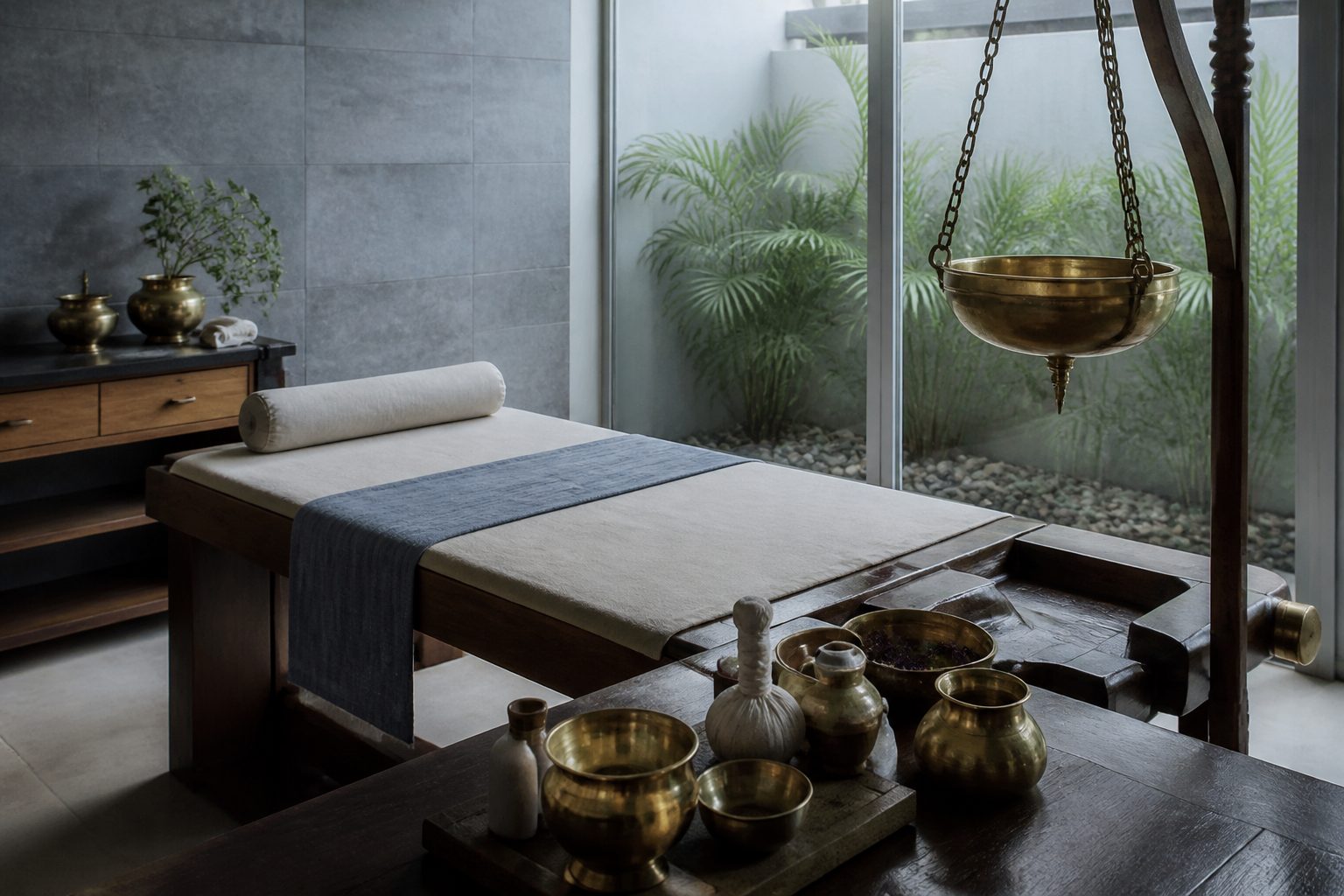
Ayurveda detox retreats offer structured programmes designed to restore health through traditional therapies, diet, and lifestyle changes. For those exploring these retreats in India, Sri Lanka, or Germany, the typical cost ranges from $700 to $6,000 per week, depending on location, programme depth, and accommodation type.
This guide explains what you get for your money at reputable Ayurveda, naturopathy, and wellness centres. We compare costs, what’s included, and what to watch for—so you can make an informed decision about where and how to book your detox experience.
What is included in an Ayurveda detox retreat
Most Ayurveda detox retreats are based on the traditional Panchakarma protocol—a multi-step process of cleansing and rejuvenation that can last from 7 to 28 days. Programmes typically include an initial assessment by an Ayurvedic physician, a personalised treatment plan, daily therapies (such as Abhyanga oil massage, Shirodhara, herbal steam, and cleansing procedures), and a strictly controlled vegetarian diet. Yoga, meditation, and group wellness activities are often part of the package.
Accommodation is usually on-site, ranging from simple rooms to luxury villas. Treatment intensity and inclusions vary: some centres offer only basic therapies, while others add daily doctor check-ins, herbal supplements, and additional wellness modalities such as naturopathy, Traditional Chinese Medicine (TCM), or Unani therapies. Always clarify what is included in your chosen package to avoid unexpected costs.
Cost comparison: India, Sri Lanka, and Germany
India and Sri Lanka are the traditional homes of Ayurveda, offering the widest range of detox retreats at varying price points. Germany, while not a traditional Ayurveda destination, has a growing number of high-end wellness clinics and medical spas that incorporate Ayurveda, naturopathy, and TCM, often at higher prices due to European standards and costs.
Below is a comparison of typical weekly package costs for a comprehensive Ayurveda detox retreat in each country. These figures include accommodation, meals, and core therapies, but not flights or personal expenses.
| Country | Typical 7-Day Retreat Cost | Accommodation Type | Included Therapies |
|---|---|---|---|
| India | $700-$2,500 (₹58,000-2 lakh) | Standard to deluxe room | Panchakarma, yoga, doctor consult, basic diagnostics |
| Sri Lanka | $1,000-$2,800 (LKR 320,000-900,000) | Standard to luxury villa | Panchakarma, yoga, doctor consult, herbal treatments |
| Germany | $2,500-$6,000 (€2,300-5,500) | Luxury clinic or spa | Panchakarma, TCM, naturopathy, advanced diagnostics |
What is not included in the package price
While most retreats offer all-inclusive packages, certain costs are usually excluded. Flights, airport transfers, and visa fees are almost never included. Additional services such as private yoga lessons, special diagnostic tests, dental or specialist medical consultations, and off-menu therapies (e.g., acupuncture, advanced spa treatments) are often charged separately. Some centres also charge extra for premium herbal medicines, supplements, or meals outside the standard diet.
In Germany, VAT and local tourism taxes may be added to the final bill. Always ask for a detailed list of inclusions and exclusions before booking. If you have specific medical needs or dietary restrictions, confirm whether these can be accommodated without extra cost.
How to choose a safe and reputable retreat
Selecting a safe and reputable Ayurveda detox retreat is essential for both your well-being and the effectiveness of your treatment. Begin by researching the credentials of the medical staff—look for centres where Ayurvedic doctors are properly qualified, ideally holding degrees recognized by the local government (such as BAMS in India or equivalent certifications in Sri Lanka and Germany). The retreat itself should be accredited by relevant health authorities: in India, this might include NABH (National Accreditation Board for Hospitals & Healthcare Providers), AYUSH certification, or local tourism board approval. In Sri Lanka, government registration and Ayurveda Ministry oversight are important markers of legitimacy. In Germany, verify that the centre operates as a regulated medical spa or clinic and that at least one staff member is a certified Ayurvedic practitioner or medical doctor.
Transparency is another key factor. Trustworthy retreats provide clear information about their treatment protocols, the qualifications of their staff, and the scope of therapies offered. They should offer a thorough medical assessment upon arrival, openly discuss possible side effects, and provide a written treatment plan tailored to your needs. Avoid centres that make unrealistic promises, such as guaranteed cures for chronic diseases, rapid weight loss, or miracle results. Such claims are red flags and suggest a lack of ethical practice.
To further assess a retreat’s reputation, consult online reviews on independent platforms, seek word-of-mouth recommendations, and read patient testimonials. However, be aware that online ratings can sometimes be manipulated, so prioritize evidence-based practices and clear safety protocols over flashy marketing. It’s also wise to ask about emergency procedures, staff-to-guest ratios, and whether there is access to conventional medical care if needed. Ultimately, your safety and health outcomes depend on the centre’s professionalism, transparency, and adherence to recognized standards—never compromise on these aspects for the sake of cost or convenience.
Programme types: Ayurveda, naturopathy, and integrative wellness
The spectrum of detox retreats across India, Sri Lanka, and Germany is broad, with offerings ranging from traditional Ayurveda to modern integrative wellness programmes. In India and Sri Lanka, many retreats operate as dedicated Ayurveda hospitals, ashrams, or luxury resorts. These centres often provide a full immersion into classical Ayurveda, with treatments like Panchakarma (a five-step detox process), Abhyanga (oil massage), Shirodhara (oil pouring on the forehead), and personalized herbal medicines. Daily routines frequently include yoga, meditation, and Ayurvedic dietetics, all under the supervision of qualified Ayurvedic doctors (Vaidyas) and therapists.
Alongside Ayurveda, naturopathy-focused retreats are also popular in South Asia. These centres emphasize natural healing modalities such as hydrotherapy (water-based treatments), mud therapy, fasting, and sunbathing, often supported by vegetarian diets and lifestyle counseling. Naturopathy may appeal to those looking for a more Western natural medicine approach, sometimes with less emphasis on herbal medicines and more on physical therapies and diet.
In Germany, the wellness landscape is characterized by integrative health resorts that blend Ayurveda with other traditional and modern therapies. These may include Traditional Chinese Medicine (TCM), homeopathy, physiotherapy, and advanced diagnostics such as blood tests or metabolic assessments. German centres often employ both Ayurvedic practitioners and medical doctors, providing a more medically supervised experience, which is especially appealing to European guests seeking reassurance and safety.
When choosing a programme, consider your primary health goals. If you seek deep traditional detoxification and cultural immersion, a classic Ayurveda retreat in India or Sri Lanka may be ideal. If you prefer a broader menu of therapies, access to modern diagnostics, or have complex health needs, an integrative wellness centre—particularly in Germany—could be more suitable. Always review sample daily schedules, clarify the types of therapies offered, and ask about doctor availability and emergency protocols. This ensures the retreat aligns with your expectations and health requirements.
Hidden and extra costs to watch for
While many Ayurveda detox retreats advertise attractive package rates, it’s common for additional expenses to arise once you arrive or as you plan your stay. Essential services that may not be included in the base price can significantly increase your overall cost. For example, airport transfers are sometimes charged separately, especially at remote locations in India and Sri Lanka, and these fees can range from $20 to over $100 each way depending on the distance. Laundry services, which are often needed during longer detox programmes, may be billed per item or per load. Bottled water is a necessity in many regions, and daily charges can add up, particularly if filtered or mineral water is not freely available.
Room upgrades, such as private cottages or ocean views, are frequently offered at a premium. Be sure to clarify whether your quoted rate is for a shared or private room. Off-site excursions, cultural experiences, or sightseeing tours are sometimes organized by retreats but rarely included in the standard price. If you require language support, such as a translator for medical consultations, check whether this is available and at what cost—fees for this service can be substantial, especially in Germany, where English may not be universally spoken among staff.
Another critical area is the cost of medication and herbal supplements. Many retreats prescribe individualized herbal remedies, oils, or tonics as part of your treatment plan. While some centres include a basic set of medicines in the package, others charge extra, and if you are advised to continue these supplements at home, you may face ongoing costs. In Germany, Ayurveda and alternative therapies are rarely covered by statutory or private health insurance, so always confirm payment terms and whether you need to pay out-of-pocket for doctor consultations, lab tests, or follow-up care.
To avoid surprises, budget an additional 10–20% of your total programme cost for incidental or unforeseen expenses. Always ask for a detailed, written breakdown of what is included in your package and what is not before confirming your booking. This transparency allows you to compare options accurately and avoid budget overruns.
How to save money without compromising safety
There are several practical strategies to reduce the cost of an Ayurveda detox retreat without putting your health at risk. One of the most effective ways is to travel during the off-season—typically April to September for India and Sri Lanka—when retreat rates are lower and there is less demand. Many reputable centres offer special discounts or value-added packages during these months, making it more affordable to experience high-quality care. Another option is to share accommodations with a friend or fellow guest, which can significantly reduce your per-person cost, especially at resorts that charge premium rates for single occupancy.
Consider opting for a shorter programme, such as 7–14 days instead of the traditional 21–28 days. While longer stays are often recommended for deep detox, shorter programmes can still provide substantial benefits and are easier on the budget. Some well-established retreats offer loyalty discounts, early-bird rates, or reduced prices for direct bookings (as opposed to going through travel agents or booking platforms). Additionally, choosing a centre near a major city or transport hub can help you save on travel expenses, though you should balance this with the need for a peaceful, healing environment—urban retreats may be more accessible but less tranquil than those in rural or scenic locations.
While saving money is important, never compromise on medical supervision or safety. Avoid unregulated or uncertified centres, even if they offer bargain prices, as these may lack qualified staff, proper hygiene, or emergency protocols. Instead, select a basic but reputable retreat with transparent pricing and clear safety standards. Always check references, read independent reviews, and carefully review the cancellation and refund policy before making a commitment. By prioritizing quality over frills and being flexible with your travel dates and accommodation choices, you can enjoy the benefits of an authentic Ayurveda detox retreat without unnecessary financial strain.
Planning your retreat: what to expect and prepare
Preparation is essential for a successful Ayurveda detox. Most centres ask you to avoid alcohol, caffeine, and processed foods for a week before arrival. Bring comfortable clothing, any necessary medications, and copies of your medical records. Inform the centre of any chronic illnesses, allergies, or special needs in advance.
On arrival, expect an initial consultation and health assessment. The daily routine often includes early wake-ups, multiple treatments, yoga, meditation, and rest periods. Detox can be physically and emotionally demanding—plan for downtime after your retreat before returning to work or travel. If you’re travelling internationally, check visa requirements and allow extra days for travel and recovery.
The bottom line: Is an Ayurveda detox retreat worth it?
Ayurveda detox retreats can be a valuable investment for those seeking structured support to address stress, chronic fatigue, or unhealthy lifestyle patterns. These programmes typically provide a holistic environment, daily routines, and expert guidance, which can be difficult to replicate at home. However, it’s crucial to recognize that Ayurveda detox is not a replacement for evidence-based medical care, especially for serious or acute health conditions.
Costs are highly variable depending on the country, the reputation of the centre, the length of the programme, and the level of luxury or medical supervision provided. In India and Sri Lanka, you’ll find some of the world’s most affordable and authentic Ayurveda retreats. Daily rates can start as low as $40–$80 for basic accommodations at certified centres, with more upscale resorts charging $150–$400 per day. Sri Lanka often offers similar price points, sometimes with slightly higher costs for beachfront or eco-luxury settings. In contrast, Germany’s Ayurveda detox retreats typically cater to a European clientele, often featuring high-end facilities, Western medical oversight, and a spa-like atmosphere. Here, expect to pay €200–€500 per day, with comprehensive medical assessments and personalized care plans contributing to the premium price.
When considering whether an Ayurveda detox retreat is worth it, weigh factors such as the centre’s safety standards, the credentials and availability of medical staff, and what is included in the package (treatments, meals, consultations, follow-up care). Also, assess your own health needs—those with chronic illnesses, allergies, or complex conditions should consult a qualified doctor (ideally with experience in integrative or travel medicine) before enrolling in any intensive detox or alternative therapy. Be wary of programmes promising miracle cures or guaranteed results, and always prioritize your safety and realistic expectations over cost savings or exotic locations. Ultimately, a well-chosen retreat can offer a meaningful reset, but only as part of a broader, evidence-based approach to health.
Frequently asked questions
What is Panchakarma and is it safe for everyone?
Panchakarma is a traditional Ayurvedic detoxification process involving five main cleansing therapies, designed to remove toxins and restore balance. While generally safe under professional supervision, it may not be suitable for pregnant women, those with certain medical conditions, or the very elderly. Always consult your doctor and the retreat’s medical staff before enrolling.
How long should I stay at an Ayurveda detox retreat?
Typical programmes last from 7 to 21 days, with some extending to 28 days for deeper cleansing. A 7-14 day retreat is usually sufficient for most people seeking stress relief or a health reset. Longer stays may be recommended for chronic issues, but should always be planned with medical guidance.
Are Ayurveda retreats covered by health insurance?
In most cases, health insurance does not cover Ayurveda detox retreats, especially outside your home country. Some German private policies may reimburse part of the cost if the retreat is part of a medically supervised rehabilitation programme. Check with your insurer before booking.
Can I continue prescribed medication during my stay?
Yes, you should continue any prescribed medication unless advised otherwise by your treating physician. Inform the retreat’s medical team in advance about all medications and health conditions to avoid interactions with Ayurvedic herbs or therapies. Do not stop chronic medication without consulting your doctor.
What should I look for in a reputable Ayurveda centre?
Key factors include qualified Ayurvedic doctors, clear safety protocols, accreditation or registration, transparent pricing, and positive independent reviews. Avoid centres that promise miracle cures or lack clear medical supervision. Always request details about staff credentials and emergency procedures before booking.
Related guides
Disclaimer: Prices in this guide are indicative and vary by individual case, programme, and hospital. Always request a detailed written quote and consult a qualified doctor before starting any detox or wellness programme.