
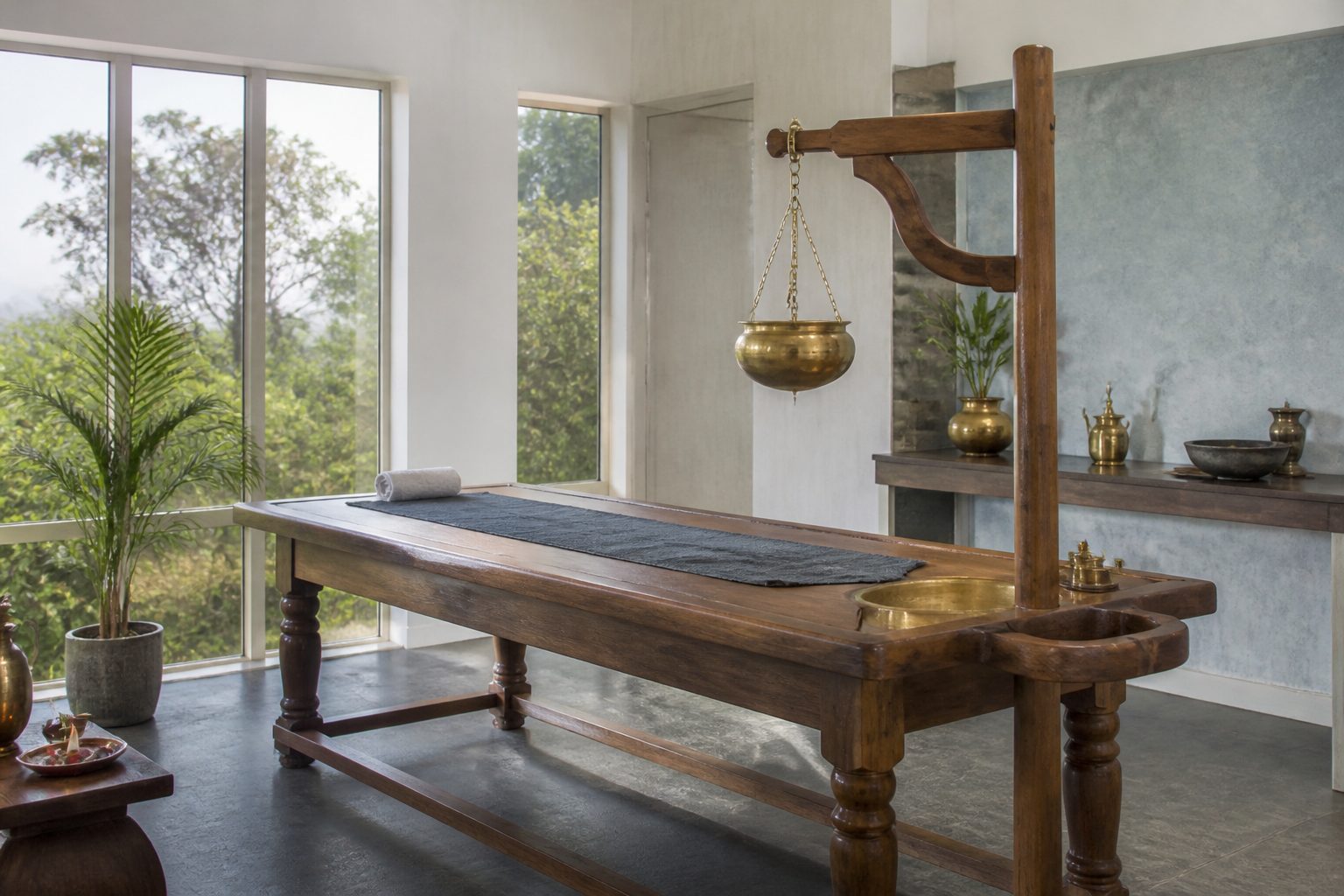
This guide is for anyone considering Ayurvedic massage—whether as part of a traditional medicine programme, a wellness retreat, or a standalone treatment. We compare costs and inclusions across India, Thailand, and the UK, helping you understand what to expect and how to plan.
Ayurvedic massage prices range from $20-$60 per session in India, $35-$120 in Thailand, and $70-$180 in the UK. Packages at reputable centres often include additional therapies, consultations, and accommodation.
What is Ayurvedic massage and what does a session include?
Ayurvedic massage, or abhyanga, is a core part of traditional Indian medicine. It typically involves the application of warm herbal oils, tailored to your body type (dosha), with synchronised strokes by one or two therapists. Sessions may last from 45 to 90 minutes. Many centres offer Ayurvedic massage as one component of broader programmes such as Panchakarma or wellness retreats, which may also include herbal steam therapy (swedana), therapeutic baths, yoga, and dietary consultation. Standalone massages are common in urban clinics and spas, while hospital programmes usually bundle them with medical consultations and follow-up care.
In India, especially in Kerala, Ayurvedic massage can be highly traditional: you may be seen by an Ayurvedic physician before your treatment, and the massage may be tailored to specific health concerns. In Thailand and the UK, offerings range from authentic treatments at specialist centres to more wellness-oriented experiences at spas. The credentials of therapists and the quality of oils can vary, impacting both the experience and the price.
Cost comparison table: India, Thailand, and the UK
| Country | Typical session cost | Programme (7 days) | What’s included |
|---|---|---|---|
| India | $20-$60 (₹1,700-5,000) | $400-$1,200 (₹33,000-100,000) | Consultation, daily massage, herbal medicines, yoga, meals, accommodation (in packages) |
| Thailand | $35-$120 (฿1,300-4,300) | $700-$2,000 (฿25,000-72,000) | Massage, herbal treatments, yoga/meditation, meals, accommodation (in packages) |
| UK | $70-$180 (£55-140) | $1,000-$3,000 (£800-2,400) | Consultation, massage, limited therapies, meals/accommodation mostly extra |
What’s included in the cost
The total cost of an Ayurvedic massage session or programme is shaped by what’s included, the reputation of the centre, and the country where you receive treatment. In India, especially in Kerala or Goa, reputable Ayurveda hospitals and wellness resorts often offer comprehensive packages. These typically bundle together a physician’s consultation, daily abhyanga (oil massage), additional therapies such as shirodhara (oil pouring on the forehead), steam baths, prescribed herbal medicines, yoga and meditation classes, and full board accommodation with Ayurvedic meals. Some luxury resorts add cultural activities, guided nature walks, and recreational amenities, which can increase the price but provide a holistic wellness experience. The involvement of a qualified Ayurvedic doctor is a key feature in India, particularly in hospital-based or government-accredited centres.
In Thailand, you’ll find similar wellness retreat packages that may include daily massage, yoga, healthy meals, and sometimes herbal therapies. However, the level of Ayurvedic authenticity and physician involvement can vary—some centres focus more on spa-style relaxation than strict medical protocols. Nonetheless, most reputable Thai retreats maintain high standards of comfort and hygiene, and often provide English-speaking staff for international guests.
In the UK, Ayurvedic massage is usually offered as a standalone treatment in clinics or boutique wellness centres. Comprehensive residential packages with accommodation and meals are rare and tend to be expensive. The quoted price typically covers the massage session only, with physician consultations, herbal medicines, and additional therapies billed separately. Taxes and service charges may also apply, so always clarify what is included in the final price.
Wherever you go, always check if your quoted price covers taxes, service charges, medicines, follow-up consultations, and meals (for residential stays). Some centres charge extra for initial consultations, personalized oils, or advanced therapies. Request a detailed written quote and ask for a sample daily schedule to ensure you know exactly what you’re paying for, and to avoid any surprises during your stay.
Types of centres offering Ayurvedic massage
Ayurvedic massage is available at a variety of institutions:
- Ayurveda hospitals and clinics: Often NABH-accredited in India, these provide physician-led treatments, sometimes as part of medical therapy for specific conditions.
- Wellness and Panchakarma retreats: Residential centres with multi-day programmes, usually in scenic locations. These are popular with international guests seeking both relaxation and traditional therapies.
- Medical spas and hotels: Particularly in Thailand and the UK, spas may offer Ayurvedic massage alongside other wellness treatments. The focus is often on relaxation rather than medical therapy.
- Yoga and naturopathy centres: Some offer Ayurvedic massage as part of broader lifestyle programmes, sometimes with less emphasis on medical diagnosis.
Quality and authenticity can vary. In India, Kerala is considered the heartland of Ayurveda, with a high density of accredited hospitals and experienced therapists. Thailand’s wellness resorts tend to focus on comfort and holistic experience, blending Ayurveda with local traditions. In the UK, look for practitioners registered with professional bodies (such as the Ayurvedic Professionals Association) for assurance on training and standards.
What drives the price differences?
Several factors influence the cost of Ayurvedic massage:
- Location: Treatments in India, especially outside major cities, are generally less expensive due to lower labour and overhead costs.
- Type of facility: Accredited hospitals and high-end resorts command higher fees than small urban clinics. Packages at luxury wellness retreats can be several times the price of standalone sessions.
- Therapist experience: Sessions by senior therapists or under physician supervision cost more.
- Programme inclusions: Bundled therapies, daily yoga, and full board increase the price but may offer better value for longer stays.
- Oil quality and medicines: Use of rare herbs or imported oils may add to costs, especially outside India.
- International market: In Thailand and the UK, Ayurvedic treatments are often marketed as premium wellness experiences, reflected in the pricing.
Be wary of very low prices, which may indicate unqualified therapists or diluted oils. Always ask about credentials and what is included in the quoted price.
How to choose a centre or programme
Choosing the right Ayurvedic massage centre or programme is crucial for both safety and satisfaction, especially given the wide range of options and standards across India, Thailand, and the UK. Start by defining your primary goals: are you seeking general relaxation, stress relief, or support for a specific health condition? If you have chronic ailments or want a medically supervised detox (such as Panchakarma), prioritize centres with qualified Ayurvedic doctors and a strong track record in clinical care.
In India, look for government or state health department accreditation, such as NABH (National Accreditation Board for Hospitals & Healthcare Providers) or AYUSH certification. These credentials indicate adherence to recognized standards of care and hygiene. In Thailand and the UK, verify the qualifications of therapists and check for membership in professional associations like the Ayurvedic Practitioners Association (APA) in the UK or similar bodies. Ask about therapist training, years of experience, and whether a physician is involved in your care plan.
Request sample treatment plans and daily schedules to understand how much of your time will be spent in therapist-led treatments versus self-guided activities like yoga, meditation, or wellness talks. For residential programmes, carefully assess the quality of accommodation, cleanliness, and the availability of English-speaking staff—especially important for international travellers. Read independent reviews on reputable platforms, and if possible, request references from past guests to gauge satisfaction and safety standards.
If you have allergies, dietary restrictions, or mobility needs, confirm in advance that these can be accommodated. Ask about on-site medical support and emergency procedures. For those relying on insurance, be aware that Ayurvedic therapies are rarely reimbursed outside India, except as part of licensed hospital treatment. Finally, always get a detailed written quote, clarify cancellation and refund policies, and ensure you feel comfortable with the centre’s communication and transparency before booking.
What’s not included and hidden costs
While many Ayurvedic massage centres advertise all-inclusive packages, there are often hidden costs and exclusions that can significantly impact your final bill—especially for international visitors or those booking multi-day programmes. Some of the most common add-ons and hidden fees include:
- Initial or follow-up physician consultations: While a first consultation may be included in the package price in India, repeat visits or detailed medical assessments often incur extra charges. In Thailand and the UK, consultations with Ayurvedic doctors are frequently billed separately.
- Specialty oils or herbal medicines: Standard massage oils are usually included, but if you require personalized herbal oils, medicated ghee, or take-home remedies, expect to pay more. In India, these products are often recommended for ongoing use after your stay.
- Additional therapies: Beyond the basic abhyanga massage, treatments like shirodhara (oil pouring), pizhichil (oil bath), or herbal steam sessions may cost extra, especially in the UK and Thailand where each therapy is typically priced à la carte.
- Airport transfers, travel insurance, and laundry: In India and Thailand, airport pickups and drop-offs are sometimes included at luxury resorts but are often extra at mid-range centres. Laundry, especially for longer residential programmes, is rarely bundled in the base price.
- Tips and service charges: Many centres, particularly in Thailand and India, expect tips of 5–10% of the total bill. Some high-end resorts include a service charge, but staff may still expect gratuities for good service.
- Personal expenses: Excursions, fitness classes, or special dietary meals (such as gluten-free or vegan options) are usually not included. In the UK, even herbal teas or post-massage snacks may be billed separately.
In both the UK and Thailand, taxes (such as VAT or local service tax) are often added to the quoted price at checkout, so clarify if prices are inclusive or exclusive of tax. International guests should also budget for flights, visas, and, in India, any medical visa fees required for hospital-based Panchakarma or extended stays. Always request a comprehensive written quote that itemizes all potential costs, and clarify policies regarding cancellations, refunds, and rescheduling to avoid surprises.
How to save money safely
For the best value, consider weekday sessions, off-season discounts (India’s monsoon, June–September, is traditional for Panchakarma), and longer programmes which often have a lower daily rate. Booking directly with the centre may avoid third-party fees. In India, smaller clinics offer lower prices, but verify the therapist’s qualifications and hygiene standards.
In Thailand, look for wellness resorts with introductory offers or last-minute deals. In the UK, some practitioners offer multi-session packages at a reduced rate. Avoid unlicensed providers or very low prices, as safety, oil quality, and hygiene may be compromised. Always confirm that the centre uses fresh oils and follows proper cleaning protocols.
If budget is a concern, ask if you can tailor the programme by reducing the number of therapies or opting for shared accommodation. Many reputable centres are flexible about customising packages, especially for longer stays.
Evidence and what to expect from Ayurvedic massage
Ayurvedic massage, known as abhyanga, is a cornerstone of traditional Indian medicine and is increasingly popular worldwide for its holistic approach to well-being. The therapy is commonly used for relaxation, stress reduction, and as an adjunct treatment for musculoskeletal pain, insomnia, digestive issues, and some chronic conditions. Scientific evidence supporting its effectiveness is mixed: while many small studies and anecdotal reports highlight benefits such as improved sleep, reduced muscle tension, and enhanced sense of well-being, large-scale clinical trials are limited. The majority of research comes from India, with some studies suggesting improvements in blood circulation, lymphatic drainage, and stress hormone levels after regular sessions. However, most Western medical authorities recommend Ayurvedic massage as a complementary rather than primary therapy, especially for serious health conditions.
What you can expect from a session varies by country and centre. In India, treatments are often more vigorous and follow classical protocols, sometimes involving two therapists working in synchrony. In Thailand, the experience may blend Ayurvedic and Thai massage techniques, focusing on comfort and ambiance. In the UK, sessions are usually gentler and adapted to Western preferences, with an emphasis on relaxation and stress relief.
After your massage, expect some oil residue on your skin and hair—bring appropriate clothing and avoid scheduling important meetings immediately after. Mild soreness or fatigue is normal, especially after your first few treatments, as your body adjusts. Always inform your therapist of any injuries, allergies, or health conditions before starting. Authentic Ayurvedic massage can feel intense, but therapists can adjust pressure and technique to your comfort level. For best results, a series of sessions is often recommended, and combining massage with other Ayurvedic therapies (such as dietary advice or yoga) may enhance benefits.
Bottom line: Is it worth the cost?
The value of Ayurvedic massage depends on your goals, budget, and where you seek treatment. In India, costs are significantly lower than in most other countries, especially at established clinics and government-recognized hospitals. This affordability makes Ayurvedic massage accessible to both local residents and international wellness travellers. For example, a full-day Ayurvedic package in Kerala might cost less than a single session in London. India’s diverse range of facilities—from basic clinics to luxury resorts—means you can find options that balance quality and price, but always verify the credentials of staff and the centre’s reputation.
Thailand offers a unique blend of traditional Indian Ayurvedic practices with Thai hospitality and spa culture. Prices here are generally mid-range: higher than India, but typically more affordable than the UK. Many Thai wellness retreats focus on comfort, ambiance, and customer service, sometimes at the expense of strict Ayurvedic authenticity. Still, you’ll often find experienced therapists, clean facilities, and a good level of personal attention. Thailand is a popular choice for those seeking a relaxing holiday with some Ayurvedic elements, though comprehensive medical supervision may be limited.
The UK is the most expensive place for Ayurvedic massage, with prices reflecting higher labour costs, limited practitioner availability, and premium urban locations. Comprehensive residential programmes are rare and can be prohibitively costly, while individual sessions—often in boutique clinics—are priced at a premium. For those in the UK, it’s especially important to ensure that practitioners are properly trained and that the centre adheres to hygiene and safety standards.
Wherever you choose, maximize value by selecting a centre with qualified staff, transparent package inclusions, and a strong focus on safety and cleanliness. Always request a detailed written quote, clarify what is included, and consult a qualified doctor if you have any health concerns or chronic conditions. Ultimately, if you value authentic care, personalized attention, and a safe environment, Ayurvedic massage can be well worth the investment—especially if you choose your provider carefully based on your health needs and budget.
Frequently asked questions
How long does a typical Ayurvedic massage session last?
Most sessions last between 45 and 90 minutes, depending on the type of massage and whether it is part of a larger treatment plan. Residential programmes may include daily sessions as part of a multi-therapy schedule. Always confirm session length when booking.
Do I need a medical consultation before getting Ayurvedic massage?
In India, reputable centres usually require an initial consultation with an Ayurvedic doctor, especially if massage is part of a Panchakarma or therapeutic programme. In Thailand and the UK, standalone massages may not require a consultation, but it is advisable if you have health concerns.
Are there any risks or side effects?
Ayurvedic massage is generally safe for most people, but those with certain conditions (like recent surgery, skin infections, or pregnancy) should consult a doctor first. Mild soreness or oil sensitivity can occur. Always inform your therapist about any medical issues before starting.
Is Ayurvedic massage covered by insurance?
Outside India, Ayurvedic treatments are rarely covered by health insurance, except in limited cases where they are provided in licensed hospitals. In India, some private insurance may cover therapies prescribed by accredited institutions for specific conditions. Always check your policy details.
Can I combine Ayurvedic massage with other therapies?
Yes, many programmes combine massage with yoga, meditation, herbal treatments, and dietary guidance. In India and Thailand, this is common in wellness retreats and Panchakarma packages. Always discuss with your care team to ensure therapies are coordinated safely.
Related guides
Disclaimer: Prices in this guide are indicative and may vary by individual case, centre, and season. Always request a written quote and consult a qualified doctor before starting any new therapy or wellness programme.