
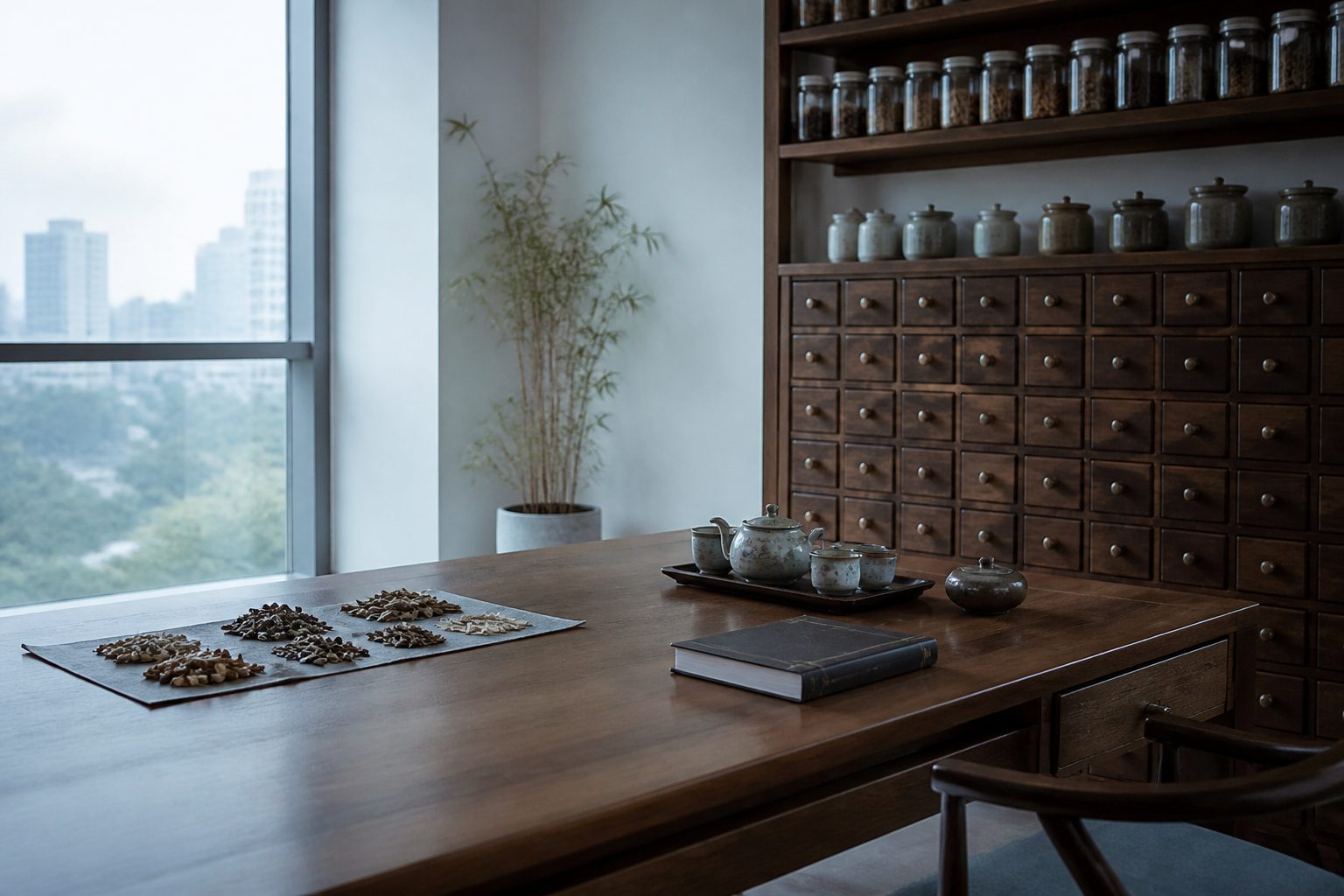
Patients considering Traditional Chinese Medicine (TCM) in Asia often want to know what an initial diagnosis involves and how much it will cost. Whether you’re seeking TCM for chronic symptoms, wellness, or as a complement to conventional care, the first visit is a structured process, with costs that vary by country and clinic type.
Expect to pay between $12 and $70 for an initial TCM consultation in Asia. This fee generally covers the diagnostic session; additional treatment or herbal prescriptions are charged separately. Here’s what’s included, what to ask, and how to compare your options.
What an initial TCM diagnosis includes
The initial TCM diagnosis is a cornerstone of traditional practice and differs from a Western medical exam. It is a detailed process that aims to understand your unique constitution, symptoms, and lifestyle. The consultation typically starts with a thorough patient interview, covering your main complaint, medical history, daily habits, diet, sleep, emotional state, and sometimes even your work environment. Practitioners use a combination of observation, listening, inquiry, and touch to gather information.
Key diagnostic techniques include:
- Pulse diagnosis: The practitioner feels your wrist pulse in various positions to assess organ health and body energy (Qi).
- Tongue diagnosis: Examining the tongue’s color, coating, shape, and moisture for clues about internal imbalances.
- Facial and body observation: Looking at complexion, eyes, and posture.
- Inquiry: Detailed questions about symptoms, lifestyle, digestion, sleep, and emotional wellbeing.
Some clinics, especially in hospitals or academic settings, may also use basic Western diagnostic tools, but most rely on TCM’s holistic assessment methods. The session usually lasts 20 to 60 minutes.
What is (and is not) included in the initial fee
The initial fee for a Traditional Chinese Medicine (TCM) consultation in Asia typically covers the core diagnostic process, but it is important to understand the scope and limitations of what you are paying for. Most clinics, whether in China, Singapore, Malaysia, or Hong Kong, include a face-to-face assessment with a licensed TCM practitioner. This usually consists of a comprehensive health interview, a review of your medical history, and traditional diagnostic techniques such as tongue and pulse analysis. The practitioner will then provide a verbal summary of your TCM diagnosis, explaining concepts like Qi, Yin-Yang balance, or organ patterns as they relate to your symptoms.
- What is included: The initial fee generally covers the consultation itself (ranging from 80-300 RMB in China, SGD 30-80 in Singapore, or HKD 200-600 in Hong Kong), the diagnostic interview, and a brief discussion of findings and recommendations.
- What is not included: Most clinics charge separately for any treatments or products beyond the initial assessment. This typically means you will pay extra for:
- Herbal prescriptions (custom-blended or pre-packaged remedies, often tailored to your condition)
- Acupuncture or manual therapies (such as cupping, moxibustion, gua sha, or tui na massage)
- Any physical therapies or adjunct treatments
- Follow-up visits, which are billed separately
- Detailed written reports or English-language summaries (sometimes available for an added fee, especially in clinics serving international patients)
In some higher-end clinics or health resorts, you may find package deals that bundle the initial consultation with a short acupuncture session or a basic herbal tea tasting. These packages are common in tourist hotspots like Bali or wellness-focused cities in Thailand and often come at a premium. In contrast, public hospitals in China or Malaysia usually keep the initial fee low but charge separately for every additional service. Before booking, always request a detailed breakdown of what your fee includes to avoid surprises. Ask whether follow-up communication (such as phone or email advice) is covered, and clarify if there are additional costs for translation or interpretation services if you do not speak the local language.
Typical fees in major Asian countries
Fees for an initial TCM diagnosis vary widely by country, city, and clinic setting. Government-run TCM hospitals and university clinics often charge less than private wellness centres. Here’s a comparison of typical fees in key Asian destinations:
| Country | Typical initial TCM consultation fee | Setting | Notes |
|---|---|---|---|
| China | $12-$30 (¥85-210) | Public TCM hospital, urban | Lowest fees in state hospitals; higher in private clinics or with senior doctors |
| Hong Kong | $25-$45 (HK$200-350) | Registered TCM clinic | Fees higher in international clinics, expat areas |
| Taiwan | $15-$35 (NT$480-1,100) | Public/private TCM clinics | Some coverage under national health insurance |
| Singapore | $20-$55 (S$27-75) | Registered TCM physician | Subsidised rates at charity clinics |
| Malaysia | $18-$40 (RM85-190) | TCM centre, urban | Lower at nonprofit clinics |
| Thailand | $15-$40 (฿540-1,400) | Hospital TCM dept. | Some clinics offer English-speaking staff |
| Indonesia | $10-$30 (Rp 160,000-480,000) | Urban clinic | Limited TCM hospital options |
| India | $8-$25 (₹650-2,000) | Private TCM clinic | TCM less common; Ayurveda more widely available |
| Philippines | $10-$28 (₱570-1,600) | Chinese medicine centre | Fees higher in Manila, Makati |
How TCM compares to Ayurveda, naturopathy, and wellness retreats
Traditional medicine in Asia includes a variety of systems, each with its own diagnostic style and pricing structure. For example, Ayurveda (mainly in India, Sri Lanka, Nepal) also uses pulse and tongue diagnosis but places greater emphasis on dosha assessment and may recommend Panchakarma or other detox therapies. An initial Ayurveda consultation typically costs $8-$30 in India, with Panchakarma packages running $250-$1,200 for 7-14 days, depending on the facility.
Naturopathy and yoga therapy centres in India and Southeast Asia offer holistic assessments focusing on lifestyle, diet, and stress, with initial consults costing $10-$35. Unani medicine, common in parts of South Asia, uses pulse diagnosis and similar interview techniques, with fees similar to Ayurveda. Wellness retreats and medical spas, often in tourist areas, may charge $50-$150 for a bundled initial assessment including TCM, Ayurveda, or naturopathy consults, plus introductory therapies or classes.
In all systems, the initial diagnostic session is rarely a standalone treatment. Instead, it is the gateway to a recommended programme of therapy, lifestyle changes, and—often—herbal or dietary interventions.
What drives the price of a TCM diagnosis
The cost of an initial TCM diagnosis can vary widely across Asia, influenced by several concrete and region-specific factors. Understanding these drivers can help you budget more accurately and choose a clinic that fits your needs.
- Clinic type: Public hospitals and university-affiliated clinics in China, Malaysia, and Singapore often have lower fees due to government subsidies or their role in practitioner training. In contrast, private wellness centers, luxury resorts (common in Thailand or Bali), and clinics in high-rent urban areas charge significantly more, sometimes including premium amenities or English-speaking staff.
- Practitioner seniority: The reputation and experience of the practitioner play a major role in pricing. Senior TCM doctors or those with international recognition (especially in major cities like Beijing, Shanghai, or Singapore) can charge two to three times more than junior practitioners or interns. In Hong Kong, for example, a senior consultant may charge HKD 600-1,000 for an initial diagnosis, while a junior may charge HKD 200-400.
- Location: Urban centers, particularly those with large expatriate populations or medical tourism industries (such as Singapore, Kuala Lumpur, or Bangkok), tend to have higher consultation fees. Rural clinics or community health centers are generally more affordable, but may offer fewer language or comfort amenities.
- Language services: Clinics that provide English or other foreign-language support often charge a premium, reflecting the additional cost of hiring multilingual staff or translators. This is especially true in cities with many international patients, such as Singapore or Hong Kong.
- Package deals: Some clinics offer bundled packages that include the initial consultation plus one or more therapy sessions (acupuncture, massage, or herbal medicine). These can be cost-effective if you plan to pursue treatment, but always compare the package price with individual session costs to ensure genuine savings.
To avoid unexpected expenses, always request a detailed breakdown of what is included in the initial fee. Ask about the costs of follow-up visits, herbal prescriptions, and any recommended therapies. In some countries, such as China and Malaysia, public clinics must post their price lists visibly, while private clinics may provide itemized quotes upon request. Being proactive about clarifying these details will help you make informed decisions and avoid surprises during your course of treatment.
What to expect during your first visit
Your first visit to a TCM clinic in Asia is typically structured and thorough, designed to give the practitioner a holistic understanding of your health. Most clinics, whether in mainland China, Taiwan, Singapore, or Malaysia, operate primarily by appointment, though walk-ins are sometimes accepted at public hospitals or community health centers. Upon arrival, you will usually be asked to complete a health questionnaire detailing your medical history, current symptoms, lifestyle habits, and any ongoing medications. This information helps the practitioner tailor their assessment to your individual needs.
The diagnostic process in TCM is distinct from Western medicine. After reviewing your questionnaire, the practitioner will conduct a verbal interview, asking about your main complaints, sleep patterns, digestion, emotional state, and other aspects of your well-being. This is followed by traditional diagnostic techniques: the practitioner will examine your tongue (noting its color, coating, and shape) and take your pulse at several points on each wrist, assessing qualities like strength, rhythm, and depth. These methods are central to TCM and help identify imbalances such as Qi deficiency, blood stagnation, or excess heat.
In some clinics, especially those integrated with Western medical services (common in Singapore and Hong Kong), the practitioner may also check your blood pressure or review recent lab results, particularly if you have chronic illnesses like diabetes or hypertension. After gathering all this information, the practitioner will explain your diagnosis in TCM terms and outline a recommended treatment plan. This may include herbal medicine (with a prescription tailored to your constitution), acupuncture, manual therapies, and advice on diet or lifestyle changes.
Importantly, you are not required to start treatment immediately. Take time to consider your options, ask for a written summary of the proposed plan, and request a breakdown of costs for each recommended component. This approach ensures you understand both the therapeutic process and the financial commitment before proceeding.
Hidden costs and how to save safely
While the initial TCM consultation fee is the starting point, patients should be aware that the total cost of care often includes several additional elements. These hidden costs can add up quickly, especially if you require ongoing treatment or complex herbal formulas. For example, after your assessment, the practitioner may recommend a custom herbal prescription, which could cost anywhere from $8 to $35 per week depending on the herbs used, the complexity of the formula, and whether it is dispensed as raw herbs, powders, or patent pills. In countries like Singapore and Hong Kong, imported or rare herbs can significantly increase the price.
- Acupuncture: Each session typically ranges from $12 to $40, with urban private clinics at the higher end. Multiple sessions are often recommended for chronic conditions, so costs can accumulate over several weeks.
- Manual therapies: Treatments like cupping, moxibustion, or tui na massage are usually billed per session (about $10-$30 each), and may not be included in any package deals.
- Follow-up consultations: These are usually cheaper than the first visit, costing $8-$25 per session, but are necessary for ongoing assessment and adjustment of your treatment plan.
To manage these costs safely and avoid unnecessary expenses, consider the following practical steps:
- Request a written quotation: Always ask for a detailed estimate covering all recommended therapies, herbs, and follow-up visits. This is standard practice in reputable clinics in China, Singapore, and Malaysia.
- Check insurance coverage: In some countries, such as Singapore or Hong Kong, certain insurance plans may cover part of your TCM expenses, especially if you visit a registered practitioner. International travel insurance rarely covers TCM, but check your policy for complementary medicine benefits.
- Choose public or teaching clinics: University-run TCM clinics or public hospital outpatient departments usually offer lower consultation and treatment fees, as they are subsidized or used for practitioner training. These are especially common in China and Malaysia.
- Verify practitioner credentials: Avoid clinics or practitioners who are not registered with local health authorities. Unlicensed providers may offer lower prices but can pose risks to your health and may not follow standard pricing or safety protocols.
- Ask about package deals: Some clinics offer discounted rates for pre-paid multi-session packages. Only opt for these if you are confident about the practitioner’s credentials and the necessity of the recommended treatments.
By taking these steps, you can ensure you are receiving safe, regulated care while keeping your costs under control. Always prioritize transparency and ask for receipts or itemized bills, especially if you plan to claim reimbursement or need documentation for insurance purposes.
How to choose a clinic or practitioner
When selecting a TCM clinic, consider the following:
- Registration and accreditation: In countries like China, Singapore, and Malaysia, TCM practitioners must be registered with government authorities. Look for clinics with visible licenses.
- Practitioner qualifications: Many reputable clinics display practitioner diplomas or credentials. If you have a complex medical history, seek a practitioner experienced with international patients or your specific condition.
- Communication: If you are not fluent in the local language, ask if the practitioner or staff can consult in English or your preferred language.
- Transparency: Reliable clinics are upfront about costs, treatment plans, and what is (and is not) included in fees.
- Facility standards: Cleanliness, hygiene, and safe handling of needles and herbs are essential.
Online reviews can help, but focus on feedback about professionalism, communication, and clarity of pricing rather than unverified cure claims.
Planning tips for international and regional patients
If you are considering traveling to Asia for TCM treatment, careful planning will help you get the most from your visit and avoid unnecessary complications or expenses. Here are some practical steps to ensure a smooth experience:
- Book in advance: Popular clinics in major cities like Beijing, Shanghai, Singapore, or Bangkok often have busy schedules, especially during public holidays or festival seasons. Secure your appointment ahead of time to guarantee availability, particularly if you need an English-speaking practitioner.
- Prepare your medical records: Bring copies of your recent medical records, lists of current medications, allergy information, and any diagnostic reports (such as blood tests or imaging results). This helps the TCM practitioner understand your medical background and tailor treatments appropriately, especially if you have chronic or complex conditions.
- Clarify treatment timelines: Ask the clinic about the expected number and frequency of sessions for your recommended therapies. Some treatments, such as acupuncture or herbal courses, may require daily or weekly visits over several weeks. This is particularly important if you are planning a short trip or need to coordinate with other health or wellness activities.
- Check visa and stay requirements: For longer treatment courses, ensure your visa allows for an extended stay. Some countries offer medical visas or extensions for patients undergoing ongoing therapy—check with the clinic or local embassy for guidance.
- Request documentation: Ask for a written summary of your diagnosis and treatment plan, including details of prescribed herbs or therapies. This is useful if you plan to continue care in another country or need documentation for insurance or reimbursement purposes.
If you intend to combine TCM with other wellness modalities—such as Ayurveda, yoga, or spa therapies—clarify with each provider whether these treatments can be scheduled on the same day. Some therapies may have contraindications or require rest periods in between. Also, check whether your insurance covers any part of your TCM care, as coverage varies by country and policy. By taking these steps, you can make the most of your TCM experience in Asia and ensure a safe, coordinated approach to your health and wellness journey.
Frequently asked questions
Is an initial TCM diagnosis painful or invasive?
No. The initial TCM consultation is non-invasive and does not involve needles or physical procedures. The practitioner will feel your pulse, observe your tongue, and ask questions. Any treatment, such as acupuncture, is discussed separately and only performed with your consent.
Do I need to stop my regular medications before the TCM consultation?
No. You should continue all prescribed medications unless advised otherwise by your primary doctor. Inform the TCM practitioner about your current medications and medical history to avoid interactions with herbal remedies.
Will the practitioner speak English?
This varies by country and clinic. Major city clinics and hospital-based TCM centres often have English-speaking staff, especially in Singapore, Hong Kong, and Malaysia. It’s best to confirm language options when booking your appointment.
How soon will I receive my herbal prescription or treatment plan?
Most clinics provide a diagnosis and treatment plan, including any herbal prescription, at the end of your first visit. Herbal medicines can usually be dispensed on-site or at a nearby pharmacy. Some formulas may require a short wait for preparation.
Is TCM safe for children or elderly patients?
TCM can be adapted for children and elderly patients, but it is important to see a practitioner experienced with these groups. Always provide full medical history and discuss any chronic conditions or medications with the practitioner before starting therapy.
Related guides
Disclaimer: Prices and inclusions are indicative and vary by clinic, country, and individual case. Always seek a written quote and consult a qualified practitioner for personalised advice before starting any treatment.