
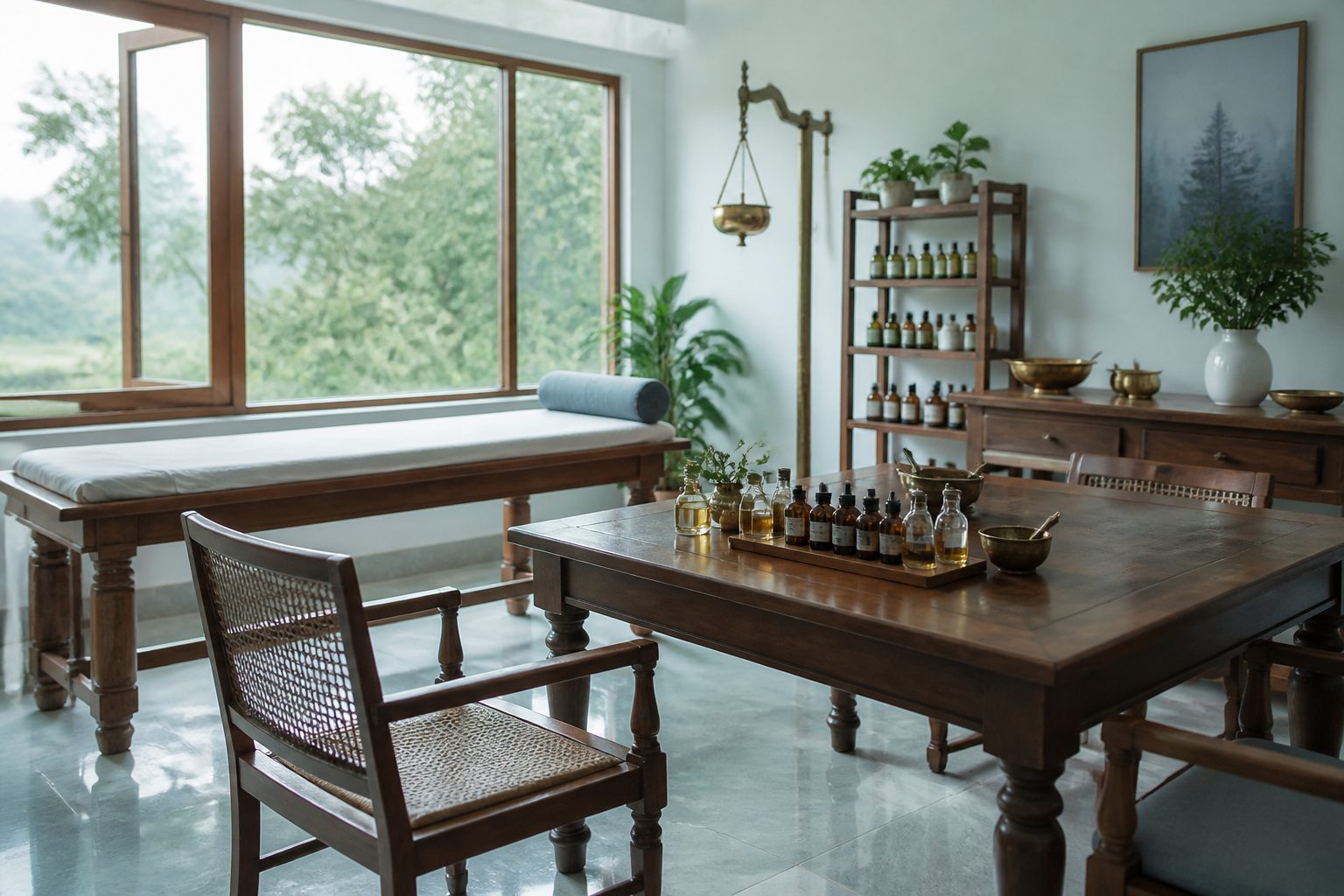
Patients seeking Ayurveda in India or the UK will find a wide range of consultation and programme prices. In India, a basic Ayurveda consultation often costs $10–$30, while in the UK, expect to pay $45–$140 for a similar appointment. More intensive wellness packages, Panchakarma therapy, and residential programmes can cost much more, depending on the centre, the length of stay, and what is included.
This guide lays out what you should expect to pay for Ayurveda consultations and therapies in both India and the UK. It explains what’s included, typical extra costs, and how to choose a reputable provider—whether you’re after a simple diagnosis or a full retreat.
What is included in an Ayurveda consultation?
An Ayurveda consultation typically involves a detailed assessment by an Ayurvedic doctor or practitioner. The session includes a review of your medical history, discussion of symptoms, pulse diagnosis (nadi pariksha), and evaluation of your dosha (body constitution). In most cases, the consultation fee covers the time spent with the practitioner (usually 30–60 minutes), personalised recommendations for diet and lifestyle, and a written prescription for Ayurvedic medicines or therapies.
In India, basic consultations are often conducted in clinics attached to Ayurvedic hospitals or wellness centres. In the UK, consultations are usually in private clinics or wellness studios, with longer or more in-depth appointments costing more. Some centres offer initial consultations as part of a retreat or therapy package, in which case the cost is bundled into the overall programme fee.
Typical costs for consultations and therapies
The price of an Ayurveda consultation or therapy session depends on several factors: the country, city, practitioner’s qualifications, and the prestige of the centre. In India, government-run Ayurvedic hospitals offer the most affordable rates, with first-time consultations often costing just $3–$8. These hospitals are subsidised and may have longer waiting times, but they provide access to experienced BAMS doctors. Private clinics and wellness resorts charge more—typically $10–$30 for an initial consultation—reflecting the added amenities, shorter wait times, and often more personalised service.
In the UK, Ayurveda is considered a complementary therapy and is not widely available through the National Health Service. As a result, private practitioners set their own rates. Initial consultations with a registered Ayurvedic practitioner generally range from $45 to $140, depending on location (London and major cities are more expensive) and the practitioner’s experience. Follow-up sessions usually cost $25–$80. These fees cover the time spent assessing your health, developing a treatment plan, and basic advice—but rarely include the cost of medicines or additional therapies.
Common Ayurvedic therapies such as Abhyanga (full-body oil massage), Shirodhara (oil pouring on the forehead), or Nasya (nasal cleansing) are billed separately. In India, each session typically costs $10–$40, with lower prices at smaller clinics and higher rates at luxury resorts. In the UK, therapy sessions are substantially more expensive, ranging from $60 to $150 each, reflecting higher operating costs and limited practitioner availability.
- Package rates: Multi-day Panchakarma detox or wellness packages in India start at around $300, including multiple therapies, meals, and accommodation. In the UK, similar packages cost from $1,500 to $4,000, depending on duration and inclusions.
- Additional costs: Always confirm whether your consultation fee includes follow-up advice, written reports, or ongoing email support, as these may be charged extra—especially in Western countries.
To get the best value, compare several centres, ask for a detailed price list, and clarify exactly what is included before booking. This helps avoid unexpected expenses and ensures you receive the care you need at a price you can afford.
Programme costs for Ayurveda, Panchakarma, and wellness retreats
The cost of Ayurvedic wellness programmes and residential retreats varies widely depending on location, level of luxury, and the range of services offered. In India, budget-friendly retreats at smaller, often family-run centres can start at around $400 per week. These basic packages usually include shared accommodation, vegetarian meals, daily therapies (such as Abhyanga oil massages or herbal steam baths), and group yoga or meditation classes. Facilities may be simple, but the focus is often on authentic treatments and personalised care.
Mid-range options, typically found at established resorts or larger wellness hospitals, charge between $800 and $2,000 per week. These packages offer private accommodation, a broader selection of therapies (including specialised Panchakarma detox procedures), and higher standards of hygiene and comfort. Many such centres are located in Kerala or Goa, regions renowned for their Ayurveda heritage and scenic settings. Programmes often include consultations with senior doctors, custom meal plans, and wellness workshops.
Luxury resorts and medical spas in India can exceed $3,000 per week. These facilities offer five-star accommodation, gourmet Ayurvedic cuisine, individualised treatment schedules, and amenities such as swimming pools, spas, and fitness centres. They often cater to international guests and provide English-speaking staff, airport transfers, and round-the-clock medical supervision.
In the UK, full Panchakarma or wellness retreats are less common and substantially more expensive due to higher operational costs, regulatory requirements, and the need to import authentic medicines and oils. A 5–7 day package at a reputable UK centre typically ranges from $1,500 to $4,000, usually including all treatments, meals, and consultations. However, accommodation may be charged separately, especially in urban settings. Some UK wellness spas offer à la carte Ayurvedic therapies, with daily rates from $200 to $400 for multiple treatments, allowing guests to customise their experience without committing to a full retreat.
- Booking tips: Always check exactly what is included in the price—some centres charge extra for airport transfers, specialist consultations, or advanced therapies. Early booking or off-season discounts may be available, particularly in India.
- Quality assurance: Look for centres with transparent pricing, clear treatment schedules, and independent reviews to ensure you’re getting genuine value for your investment.
Ultimately, your choice should balance your budget, treatment needs, and desired level of comfort, with careful attention to the reputation and accreditation of the centre.
Cost comparison: India vs the UK and other countries
| Country | Consultation (USD) | Panchakarma 7-day (USD) | Individual therapy session (USD) | Typical inclusions |
|---|---|---|---|---|
| India | $10–$30 (₹800–₹2,500) | $400–$2,500 (₹33,000–₹2 lakh) | $10–$40 (₹800–₹3,300) | Consult, therapies, medicines, meals, accommodation |
| UK | $45–$140 (£35–£110) | $1,500–$4,000 (£1,200–£3,200) | $60–$150 (£45–£115) | Consult, therapies, some meals, accommodation extra |
| Germany | $60–$120 (€55–€110) | $1,200–$3,000 (€1,100–€2,700) | $65–$120 (€60–€110) | Consult, select therapies, some meals |
| USA | $70–$250 | $2,000–$6,000 | $80–$180 | Consult, therapies, meals, accommodation extra |
| Thailand | $25–$60 (฿900–฿2,200) | $600–$2,000 (฿22,000–฿73,000) | $30–$90 (฿1,100–฿3,300) | Consult, therapies, meals, some accommodation |
What drives the price
The main factors influencing Ayurveda consultation and programme costs are centre reputation, practitioner experience, location, inclusions, and accommodation standards. In India, government-run hospitals and clinics are the most affordable, but often have long wait times and basic facilities. Private clinics, medical spas, and luxury resorts charge more for experienced doctors, private rooms, and a wider range of therapies. In the UK, higher overhead costs, practitioner qualifications, and regulatory compliance raise prices. Packages that include accommodation, meals, yoga, and diagnostics cost more but may offer better value for longer stays.
Specialised therapies such as Panchakarma, or add-ons like Unani, naturopathy, or Traditional Chinese Medicine (TCM), also affect the price. Centres with international accreditation (such as NABH in India) or partnerships with medical tourism agencies may charge a premium but offer greater transparency and English-speaking staff.
What is not included: medicines, tests, and hidden costs
When budgeting for Ayurveda consultations or retreats, it’s important to understand that the advertised price often only covers the consultation itself or a basic package of treatments. In almost all cases, prescribed Ayurvedic medicines are charged separately. In India, a week’s supply of standard herbal medicines may cost between $10 and $30, depending on the complexity of your prescription and whether rare or imported herbs are required. In the UK, prices rise sharply due to import costs, regulatory fees, and limited local manufacturing—expect to pay $30 to $100 or more per prescription, especially for custom formulas.
- Lab tests: If your practitioner recommends blood work, allergy screening, or diagnostic imaging, these are typically not included in the consultation fee. In India, basic tests may cost $5–$20, while private UK clinics can charge $50–$200 per test.
- Additional therapies: Yoga classes, meditation sessions, and dietary supplements are often offered as add-ons. These can cost anywhere from $5 per class in India to $25–$50 in the UK.
- Residential retreat extras: For those attending residential programmes, airport transfers, laundry, specialist therapies (like advanced Panchakarma procedures), and staff tips are frequently excluded from the core package. Some retreats may also charge for Wi-Fi, excursions, or consultations with visiting specialists.
Other potential hidden costs include charges for medical translation (if you don’t speak the local language), special dietary requirements (such as gluten-free or vegan meals), or extended follow-up care via teleconsultation. In Western countries, including the UK, Ayurveda is rarely covered by private or public health insurance, so all expenses are typically paid out-of-pocket. Always request a comprehensive list of what is and isn’t included before booking, and confirm whether there are any refundable deposits or cancellation fees. This careful approach helps you avoid surprises and budget accurately for your Ayurveda journey.
How to save safely on Ayurveda and wellness programmes
Saving money on Ayurveda and wellness programmes is possible, but it requires careful research to ensure you don’t compromise on safety or quality. Start by comparing not just the headline price, but also what’s included in each package—some centres offer more comprehensive treatments, better accommodation, or additional services like airport transfers, while others may appear cheaper but charge extra for essentials.
- Choice of centre: In India, government hospitals and smaller local clinics are the most affordable, with consultation and therapy fees often subsidised. However, these may have limited amenities and less experience with international patients. Private hospitals and established wellness resorts typically charge more, but offer better infrastructure, English-speaking staff, and higher hygiene standards—particularly important for overseas visitors or those with complex medical needs.
- Timing your booking: Travelling during India’s off-peak season (April–September) can significantly reduce accommodation and package costs, as many resorts offer discounts to attract guests during the hot or monsoon months. In the UK, clinics may provide introductory offers, off-season rates, or group sessions (such as shared yoga or meditation classes) at lower prices.
- Package deals: For longer stays or multi-week treatments, ask about bundled packages or discounts for advance payment. Some Indian centres offer sliding scale fees or scholarships for low-income patients—don’t hesitate to inquire if you have financial constraints.
- Verification and safety: Be cautious of deals that seem too good to be true, especially if staff cannot provide verifiable credentials, clear cost breakdowns, or information about product sourcing. Substandard facilities or unqualified practitioners can put your health at risk and may lead to additional costs down the line.
To maximise value, always verify practitioner qualifications, read independent reviews, and clarify what is included in your package. Consider reaching out to previous patients for firsthand accounts. By balancing cost with safety and quality, you can find an Ayurveda or wellness programme that fits your budget without compromising your wellbeing.
How to choose a reputable Ayurveda or wellness centre
Choosing a trustworthy Ayurveda or wellness centre is crucial for both safety and value, especially given the wide variation in quality and costs. In India, start by verifying that the centre employs qualified practitioners with a Bachelor of Ayurvedic Medicine and Surgery (BAMS) degree or higher. This is a government-recognised qualification, and reputable clinics will openly display credentials. In the UK, look for practitioners registered with established bodies such as the Ayurvedic Professionals Association (APA) or the British Association of Accredited Ayurvedic Practitioners (BAAAP). These organisations maintain standards for training, ethics, and ongoing professional development.
Before committing, ask for a clear written breakdown of costs: a reputable centre will provide detailed programme descriptions, including what therapies, consultations, accommodation, and meals are included. Transparent policies regarding cancellations, refunds, and changes to your booking are also a sign of professionalism. For international patients, ensure that staff are fluent in English and have experience working with overseas visitors—this helps avoid miscommunication and ensures smoother care.
- Accreditation: In India, look for NABH (National Accreditation Board for Hospitals & Healthcare Providers) certification, which signals adherence to high standards of care and hygiene. Centres affiliated with government medical tourism agencies or international wellness bodies are generally more reliable.
- Treatment details: For Panchakarma or residential retreats, clarify how many treatments are provided daily, what types of therapies are included, and whether there are qualified emergency medical staff on-site. Check the quality of accommodation, food safety standards, and overall hygiene.
- Reviews and references: Read independent reviews on platforms like Google or TripAdvisor, and don’t hesitate to request references from previous international patients. Personal recommendations can be invaluable.
- On-site visit: If possible, visit the centre before booking. Observe cleanliness, speak to staff, and ask to see treatment rooms. A reputable centre will welcome questions and be transparent about their processes.
Ultimately, prioritise centres that combine medical expertise, clear communication, and transparent pricing. This approach minimises risk and ensures a more effective and comfortable Ayurveda experience, whether in India or the UK.
Frequently asked questions
How long does an Ayurveda consultation last?
Most first-time Ayurveda consultations last 30–60 minutes, allowing for a detailed assessment and discussion of your health. Follow-up sessions are usually shorter, around 20–30 minutes. Some retreat centres bundle the consultation into the first day’s schedule.
Are Ayurveda consultations covered by insurance?
In India, Ayurveda is sometimes covered under certain government health schemes, but private insurance rarely covers it. In the UK and most Western countries, Ayurveda is considered complementary or alternative medicine and is not typically covered by insurance.
Can I have a remote or online Ayurveda consultation?
Yes, many practitioners in both India and the UK now offer online consultations via video call. Prices are similar to in-person visits, but therapies and physical assessments are not possible remotely. Online consultations are best for general advice and follow-up.
What should I bring to my Ayurveda consultation?
Bring any recent medical reports, a list of medications, and details of your health history. Wear comfortable clothing. If you are attending a retreat, check if you need to bring toiletries, yoga wear, or specific documents.
How do I verify the qualifications of an Ayurvedic practitioner?
In India, look for practitioners with a BAMS degree and registration with the Central Council of Indian Medicine. In the UK, check membership of the Ayurvedic Professionals Association or similar recognised bodies. Reputable centres will provide practitioner details on request.
Related guides
Disclaimer: Prices given are indicative and vary by centre, practitioner, and individual case. Always request a written quote and consult a qualified doctor before starting any new treatment or wellness programme.