
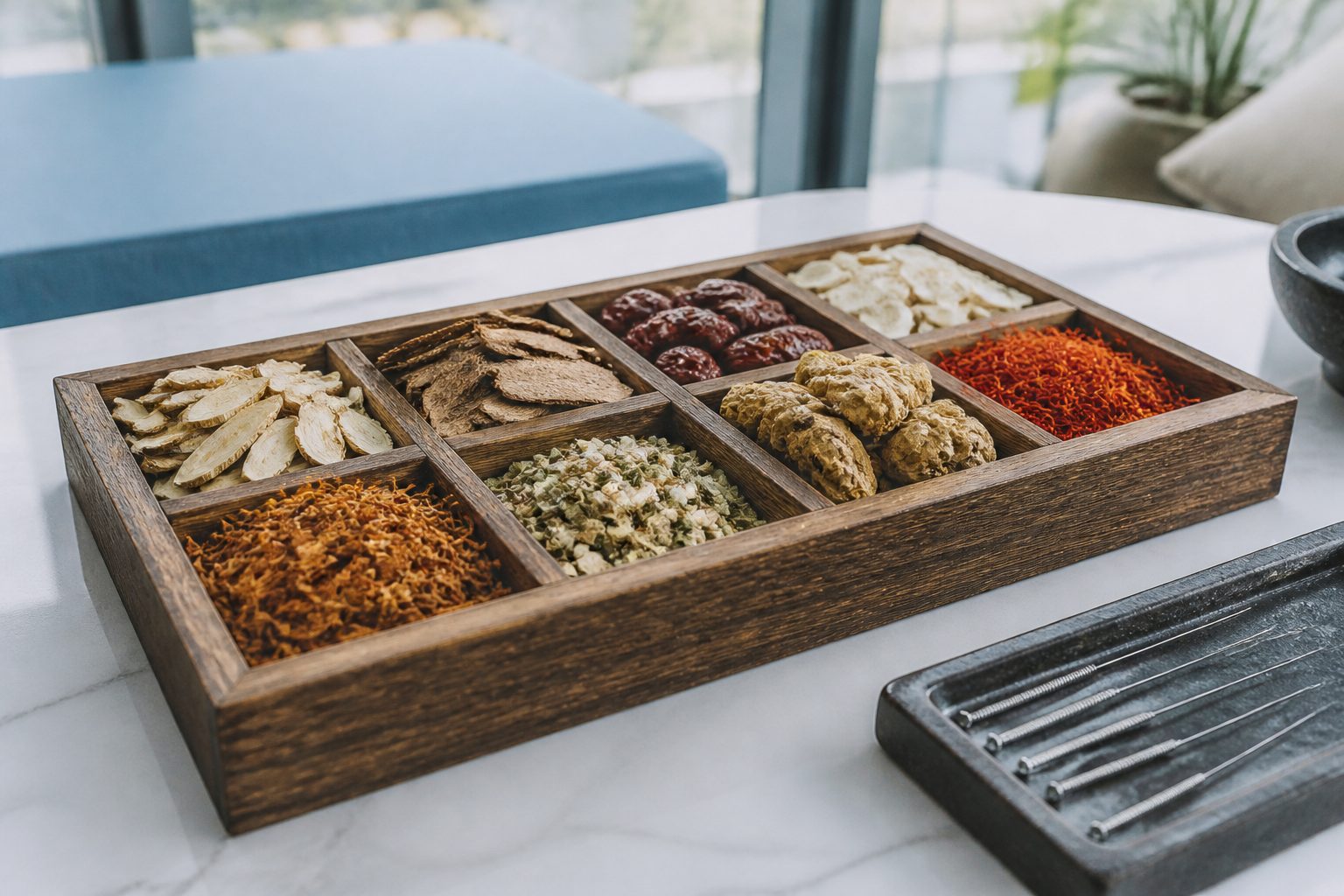
Traditional Chinese Medicine (TCM) offers a set of core therapies designed to restore balance and promote health. For those seeking TCM treatments—whether for chronic conditions, wellness, or as a complement to conventional care—the main approaches include acupuncture, herbal medicine, tui na massage, dietary therapy, and movement practices like tai chi and qigong. Costs, programme structure, and evidence for effectiveness vary by country and provider.
This guide introduces the main TCM therapies, what to expect from each, cost comparisons across key medical travel destinations, and practical advice for patients considering TCM as part of their wellness or treatment plan.
What are the core therapies in Traditional Chinese Medicine?
TCM is a comprehensive medical system with roots stretching back over 2,000 years. Its core therapies are based on the concepts of Qi (vital energy), Yin and Yang (opposing forces), and the Five Elements (wood, fire, earth, metal, water). The main therapies used in TCM are:
- Acupuncture: Insertion of fine needles at specific points to stimulate Qi flow and restore balance.
- Herbal medicine: Use of plant, mineral, and sometimes animal products in tailored formulas.
- Tui na massage: Manual therapy that uses kneading, rolling, and pressing techniques to move Qi and blood.
- Dietary therapy: Customised dietary recommendations based on TCM principles.
- Movement therapies: Practices like tai chi and qigong that combine gentle movement, breath, and meditation.
Many TCM clinics and hospitals offer these as stand-alone treatments or as part of comprehensive wellness programmes. Some centres, especially in China and Southeast Asia, integrate TCM with Western medical diagnostics and care.
Acupuncture: What to expect and what it costs
Acupuncture is the most widely recognised TCM therapy worldwide. It involves inserting very thin needles into specific points on the body to influence energy flow and support healing. Acupuncture is used for a broad range of conditions, from pain and stress to digestive and neurological issues.
A typical session lasts 30–60 minutes. Most patients report minimal discomfort. The number of sessions needed depends on the condition—acute issues may require 3–6 sessions, while chronic conditions may need 10 or more. Acupuncture is often combined with other TCM therapies for best results.
In China and much of Asia, acupuncture is available in both hospital and private clinic settings. Internationally, it is offered in wellness centres, integrative clinics, and some medical spas.
Chinese herbal medicine: Individualised formulas and costs
Herbal medicine is central to TCM. Practitioners prescribe tailored formulas, usually as teas, powders, tablets, or tinctures, based on a detailed assessment of the patient’s health patterns. Herbs are selected for their actions on organ systems, Qi, blood, Yin, and Yang.
Consultations typically include a full health history, pulse and tongue diagnosis. Formulas can contain five to 15 or more ingredients, and are adjusted as the patient’s condition changes. Herbal therapies are used for both acute and chronic illnesses, and for prevention.
Costs depend on the number and rarity of herbs used, the form (raw, granule, pill), and whether herbs are locally sourced or imported. Some hospitals blend TCM herbs with Western pharmaceuticals for integrated care, especially in China and Hong Kong.
Tui na massage: Manual therapy for balance and relief
Tui na is a form of Chinese therapeutic massage that targets acupoints, meridians, muscles, and joints. The therapist uses hands, fingers, elbows, or tools to apply pressure, knead, roll, and stretch tissues. Tui na is particularly valued for musculoskeletal pain, joint mobility, and stress-related complaints. It is also used in paediatric care.
Sessions typically last 30–60 minutes. Some clinics offer tui na as part of a package with acupuncture or herbal medicine. Medical insurance may cover tui na in some countries if provided by a licensed practitioner.
In TCM hospitals, tui na is often delivered by therapists with years of specialised training. In wellness resorts and spas, tui na may be adapted for relaxation and general wellbeing rather than medical treatment.
Dietary therapy: Food as medicine in TCM
Dietary therapy is a key aspect of TCM, focusing on the energetic qualities of foods and their effects on the body’s balance. Rather than calories or nutrients, TCM classifies foods by taste (sweet, sour, bitter, salty, pungent), temperature (hot, warm, neutral, cool, cold), and their affinity with organ systems.
Dietary advice is highly individualised. For example, someone with signs of internal heat might be advised to avoid spicy foods and eat more cooling vegetables. Recommendations may change with the seasons or as health conditions evolve.
In clinical TCM settings, dietary therapy is usually part of a broader treatment plan. Some wellness centres and retreats offer TCM-inspired menus or nutrition consultations, especially in China, Taiwan, and Southeast Asia.
Tai chi and qigong: Movement therapies for health
Tai chi and qigong are movement-based therapies that combine slow, controlled movements with breath regulation and focused attention. Both aim to cultivate and harmonise Qi, improve flexibility, balance, and mental calm.
Tai chi is often practiced in group classes, while qigong can be taught one-on-one or in groups. These therapies are used for rehabilitation, chronic pain, stress, and general wellness. Studies suggest benefits for balance, cardiovascular health, and mood.
In TCM hospitals, tai chi and qigong may be prescribed as adjunct therapies, especially for older adults or those with chronic disease. Many wellness retreats offer daily classes as part of their health programmes.
Cost comparison: TCM therapies in major countries
The cost of TCM therapies varies widely by country, provider, and type of treatment. The table below compares typical prices for a single session of acupuncture, a week of herbal medicine, and a tui na massage in several popular destinations. Note that comprehensive wellness or TCM retreat programmes bundle multiple therapies and may include accommodation, meals, and additional services.
| Country | Acupuncture (per session) | Herbal medicine (per week) | Tui na massage (per session) |
|---|---|---|---|
| China | $10–$35 (¥70–250) | $15–$40 (¥100–280) | $15–$40 (¥100–280) |
| Hong Kong | $45–$90 (HK$350–700) | $55–$110 (HK$430–850) | $40–$80 (HK$310–620) |
| Taiwan | $20–$40 (NT$600–1,200) | $20–$50 (NT$600–1,500) | $20–$45 (NT$600–1,350) |
| Singapore | $30–$65 (SGD 40–90) | $35–$80 (SGD 48–110) | $35–$70 (SGD 48–95) |
| Malaysia | $15–$35 (RM70–160) | $20–$40 (RM90–180) | $15–$35 (RM70–160) |
| Thailand | $20–$45 (฿700–1,600) | $25–$50 (฿900–1,800) | $20–$45 (฿700–1,600) |
| United States | $70–$150 | $60–$120 | $70–$120 |
| United Kingdom | $55–$110 (£45–£90) | $60–$120 (£50–£100) | $50–$95 (£40–£75) |
| India | $10–$35 (₹800–2,900) | $10–$30 (₹800–2,400) | $10–$25 (₹800–2,000) |
| Australia | $50–$95 (A$75–140) | $50–$100 (A$75–150) | $50–$90 (A$75–130) |
These figures reflect general ranges for urban clinics and hospitals. Wellness retreats, medical spas, and luxury resorts may charge significantly more, especially when therapies are bundled with accommodation and wellness services.
What is included—and what is not—in TCM therapy costs?
Basic session fees for acupuncture, tui na, or herbal consultations typically cover the practitioner’s time, the procedure, and basic supplies (needles, massage oil). Herbal formulas are usually charged separately, depending on the number and cost of ingredients. Some clinics offer package pricing for a course of treatment (e.g., 5 or 10 sessions).
Comprehensive wellness or TCM retreat programmes may include daily treatments, accommodation, meals, group classes (tai chi, qigong), and access to other facilities (sauna, hydrotherapy, wellness workshops). Always clarify what is included in the quoted price. Additional tests, Western medical consultations, or specialised therapies may incur extra charges.
Hidden costs and insurance coverage
Hidden costs can include diagnostic tests, translation services, transportation, or extra herbs and supplements. In many countries, TCM therapies are not covered by public health insurance, though some private plans offer partial reimbursement. In China, Taiwan, and Singapore, TCM may be integrated into national health systems, but coverage for international patients is limited.
Patients seeking TCM abroad should budget for travel, accommodation, and daily expenses. For herbal medicine, imported or rare ingredients can significantly increase costs. Confirm all charges before starting treatment, and request a written estimate if possible.
How to save safely on TCM therapies
To save on TCM treatments without compromising safety:
- Seek care at reputable hospitals or clinics with licensed practitioners.
- Ask about package deals for multiple sessions, which are often cheaper per visit.
- Consider group classes for tai chi or qigong instead of private lessons.
- Inquire about locally sourced herbs to avoid high import fees.
- For longer programmes, look at TCM hospitals or wellness resorts in countries like China, Malaysia, or Thailand, where costs are generally lower.
Avoid unlicensed practitioners or suspiciously cheap offers, as quality and safety cannot be guaranteed. Internationally accredited hospitals (e.g., JCI, NABH) or clinics registered with national TCM bodies offer greater assurance of standards.
How to choose a TCM provider or programme
When selecting a TCM hospital, clinic, or wellness centre, consider:
- Practitioner qualifications and licensure.
- Experience with your specific health concern.
- Language support for international patients.
- Integration with Western medical care (if needed).
- Clear communication about costs, inclusions, and expected outcomes.
Request detailed information about the therapy plan, expected duration, and follow-up. If possible, consult with both a TCM practitioner and your conventional medical provider, especially for serious or chronic health conditions. Some hospitals offer pre-arrival consultations online.
Planning your TCM treatment or wellness trip
For medical travellers, planning is key. Start by identifying your treatment goals—relief from a specific condition, general wellness, or rehabilitation. Research clinics or hospitals with a strong reputation in your area of interest. Consider location, travel logistics, and visa requirements.
If you are seeking a full wellness or detox programme, look for centres that offer a mix of TCM therapies, nutrition, and movement. Check reviews, accreditation, and language support. If you have health insurance, ask whether any portion of TCM care is reimbursable abroad.
Always disclose your full medical history to both TCM and conventional providers. Bring copies of relevant medical records. For herbal medicine, discuss potential interactions if you take prescription drugs. Plan follow-up care, especially if you will continue TCM therapies at home.
Frequently asked questions
Is there scientific evidence for TCM therapies?
Some TCM therapies, such as acupuncture and tai chi, have been studied more extensively than others. Evidence supports acupuncture for certain pain conditions and tai chi for balance and wellbeing. Herbal medicine and tui na have less research in Western journals, though they are widely used in Asia. Always consult a qualified provider and discuss any therapy with your doctor.
Can TCM be used alongside Western medicine?
Many patients use TCM alongside conventional treatments. Integrated hospitals in China and some other countries coordinate both systems. It is important to inform all your health providers about any therapies or supplements you use, to avoid interactions and ensure coordinated care.
Are TCM herbs safe?
When prescribed by a trained practitioner and sourced from reputable suppliers, TCM herbs are generally safe. However, some herbs may interact with medications or be contraindicated in certain conditions. Always disclose your full medical history and use only recommended suppliers.
How many sessions of acupuncture or tui na will I need?
The number of sessions depends on your condition, its severity, and your response to treatment. Acute issues may improve after 3–6 sessions, while chronic problems often need 10 or more. Your practitioner will assess progress and adjust the plan as needed.
Is TCM covered by insurance?
Coverage varies widely. In some countries (e.g., China, Taiwan, Singapore), TCM may be partly covered for citizens. International patients and those in the US, UK, or Australia usually pay out of pocket, though some private insurers offer partial reimbursement. Always check with your insurer before starting treatment.
Related guides
Disclaimer: Prices are indicative and can vary by hospital, location, practitioner, and individual case. Always request a written quote before treatment and consult a qualified doctor or TCM practitioner for personalised advice.