
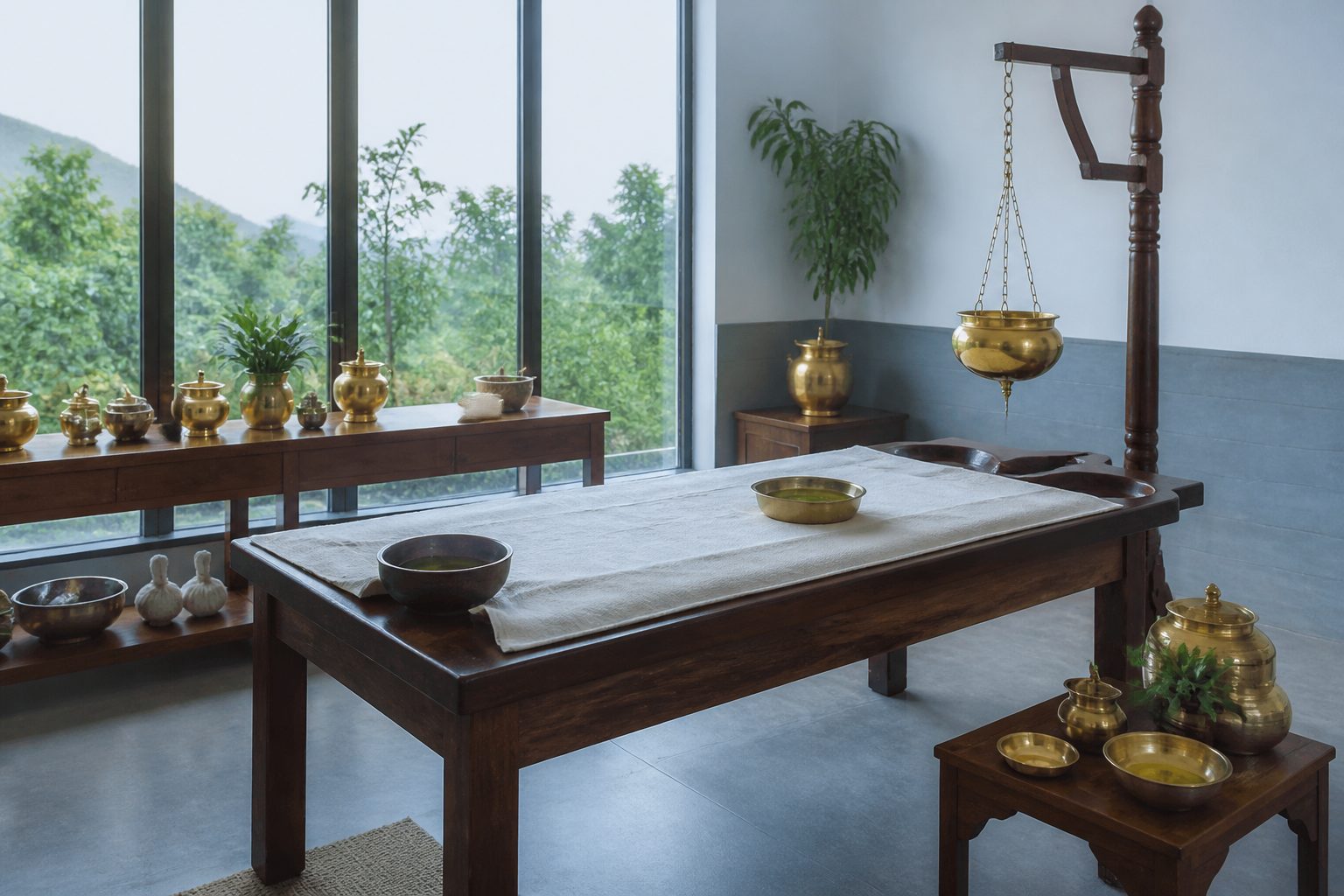
International patients considering Ayurveda hospitals need to be confident in both safety and quality. The right facility combines traditional therapies with sound medical oversight, clear communication, and transparent pricing.
This guide explains what makes an Ayurveda hospital safe for overseas visitors, what to expect from treatment programmes, how much they cost, and what to check before you book.
What safety means in Ayurveda and traditional medicine hospitals
Safety in Ayurveda and other traditional medicine hospitals is a multifaceted concept that goes far beyond basic cleanliness or hygiene. For international patients, safety encompasses the qualifications and experience of the practitioners, the sourcing and quality of herbal medicines and oils, the protocols for assessing patient suitability, and the ability to respond appropriately to emergencies or complications. In India, for example, reputable Ayurveda hospitals may be accredited by the NABH (National Accreditation Board for Hospitals & Healthcare Providers), which ensures adherence to standardized protocols for hygiene, patient care, and documentation. In Sri Lanka, the Ministry of Health regulates Ayurveda hospitals, while in Thailand, traditional medicine centres may be certified by the Ministry of Public Health.
Qualified practitioners are essential—look for centres where the lead Vaidya or chief physician holds a recognized degree (such as BAMS in India) and has experience treating international patients. Ask whether there is a medical team on-site 24/7, especially if you have chronic conditions or are taking prescription medications. Evidence-based protocols, such as pre-treatment health assessments, regular monitoring, and the use of standardized herbal formulations, are important for minimizing risks.
International patients should also check how the hospital sources its herbs and oils, as purity and authenticity are crucial for both safety and effectiveness. Inquire about the hospital’s procedures for handling medical emergencies—do they have a tie-up with a modern hospital nearby? What is their protocol for allergic reactions or adverse events? In countries where regulatory oversight is weaker, such as some private clinics in Southeast Asia, extra vigilance is needed.
Ultimately, safety in Ayurveda hospitals means transparent communication, clear documentation, and a patient-centred approach. Always verify the credentials of the facility and its staff, ask for references or reviews from previous international patients, and do not hesitate to request detailed explanations of your treatment plan and emergency protocols.
Accreditations and checks: What to look for
While not all Ayurveda hospitals are accredited, certain recognitions signal higher standards. In India, NABH or state government registration is a plus. In Sri Lanka, the Ministry of Indigenous Medicine regulates Ayurveda hospitals. Thailand, Indonesia, and Malaysia have their own traditional medicine oversight bodies. JCI (Joint Commission International) does not accredit traditional medicine hospitals, but some medical spas may have it for general healthcare.
- Check practitioner credentials: Lead practitioners should have a BAMS (Bachelor of Ayurvedic Medicine & Surgery) or equivalent, with years of clinical experience.
- Ask about emergency protocols: Facilities should have clear plans for medical emergencies, and access to nearby allopathic hospitals.
- Verify hygiene standards: Cleanliness, sterilisation of equipment, and safe water supply are essential.
- Inquire about patient reviews and outcomes: While anecdotal, patient testimonials and independent reviews can flag red or green flags.
Some high-end Ayurveda hospitals combine traditional therapies with modern diagnostics. This is especially reassuring for patients with complex health histories.
What programmes include (and what they don’t)
Ayurveda hospitals and wellness centres internationally offer a broad spectrum of programmes, tailored to the needs of both short-term wellness seekers and those seeking intensive, disease-specific therapies. Common options include rejuvenation or relaxation retreats (often 3–7 days), multi-week Panchakarma detox programmes (typically 14–28 days), and targeted treatments for chronic conditions like arthritis, stress, psoriasis, or metabolic disorders. The inclusions and exclusions can vary widely by country and facility, so it’s vital to scrutinize the details before booking.
Typically included in packages:
- Initial consultation and Prakriti (body constitution) assessment, often with an experienced Ayurvedic physician.
- Personalised treatment plan based on your health goals and current condition.
- Daily Ayurvedic therapies such as Abhyanga (therapeutic massage), Shirodhara (oil pouring on the forehead), steam baths, and herbal poultices.
- Internal herbal medicines, medicated oils, and dietary therapies, usually tailored to your constitution and needs.
- Yoga, meditation, and sometimes pranayama (breathing exercises) sessions, either in group classes or individually.
- Accommodation—ranging from basic rooms to luxury suites—and full board with Ayurvedic vegetarian meals, often prepared according to your treatment plan.
- Follow-up consultation at the end of your stay, and sometimes basic post-discharge advice or a take-home kit of medicines.
Not usually included:
- Modern diagnostic tests such as blood work or imaging, unless you are at an integrative or hospital-affiliated centre.
- Emergency medical care, ambulance services, or visits from allopathic doctors, which may be required in case of complications.
- Travel arrangements such as airfare, visas, and comprehensive travel insurance—these must be arranged separately by the patient.
- Personal expenses, sightseeing trips, excursions, or any non-treatment related activities.
In India, for instance, NABH-accredited hospitals may be more transparent about inclusions and exclusions, but smaller clinics may require more detailed questioning. In Bali or Sri Lanka, luxury wellness resorts might include airport transfers and cultural activities, while budget clinics likely will not. Always insist on a written contract or email that clearly spells out what’s included and what is extra, and don’t hesitate to ask for clarification about any ambiguous item. This will help you avoid unexpected expenses and ensure your stay is both safe and satisfying.
Typical costs in leading countries
Costs vary widely depending on the location, duration, standard of accommodation, and the reputation of the centre. Below is a comparison of average package costs for a 14-day Panchakarma or similar intensive Ayurveda programme in popular destinations. Prices are per person and include accommodation, meals, therapies, and consultations unless stated otherwise.
| Country | Typical 14-day package cost | What’s included | Not included |
|---|---|---|---|
| India | $1,200-$3,500 (₹1-2.9 lakh) | Accommodation, meals, therapies, doctor consults, medicines | Airfare, advanced diagnostics, emergencies |
| Sri Lanka | $1,400-$3,800 (LKR 445,000-1.2m) | Accommodation, meals, treatments, yoga | Flights, insurance, modern diagnostics |
| Thailand | $2,200-$5,000 (THB 80,000-180,000) | Accommodation, organic meals, therapies, wellness activities | Flights, advanced tests, emergencies |
| Indonesia (Bali) | $1,500-$4,500 (IDR 23-69m) | Accommodation, meals, therapies, yoga | Airfare, personal expenses |
| Malaysia | $1,800-$4,000 (MYR 8,400-18,600) | Accommodation, meals, therapies | Flights, advanced diagnostics |
| Europe (Germany, Switzerland) | $3,000-$8,000 (€2,800-7,500) | Accommodation, meals, therapies, doctor consults | Flights, insurance, advanced tests |
| USA (Ayurveda retreats) | $3,000-$7,500 | Accommodation, meals, therapies | Flights, insurance |
| UK | $2,800-$6,000 (£2,200-4,800) | Accommodation, meals, therapies | Flights, insurance |
What drives the cost
The cost of treatment at an Ayurveda hospital for international patients is shaped by a variety of tangible and intangible factors. The location of the hospital plays a major role: renowned wellness destinations such as Kerala in India, Bali in Indonesia, or Sri Lanka typically command higher prices, especially if the facility is close to tourist hotspots or scenic natural environments. In India, for example, a luxury Ayurveda resort in Kerala may charge several times more than a small, rural clinic in a less touristed state. Urban centres like Delhi or Mumbai may also be pricier due to higher operational costs.
Duration of stay is another significant driver. Most therapeutic programmes, especially Panchakarma detox treatments, require a minimum of 7–21 days, with costs rising accordingly. Type of accommodation can range from basic shared rooms to private villas with premium amenities; naturally, single-occupancy suites, sea-facing cottages, or rooms with modern comforts will substantially increase your bill.
Reputation and accreditation of the hospital also matter. Internationally accredited hospitals or those with a long-standing history and highly experienced Vaidyas (Ayurvedic doctors) often charge a premium. The complexity of the programme—whether it’s a simple rejuvenation package or a disease-specific, intensive therapy—also impacts the price. Higher costs may reflect the use of rare or high-quality herbs and oils, the involvement of senior physicians, and the inclusion of advanced therapies.
Additional amenities such as private yoga classes, spa facilities, English-speaking staff, airport transfers, and concierge support for foreign guests can further inflate the total cost. In India and Sri Lanka, some hospitals offer special packages for international patients, which may include extras like guided tours or cultural experiences.
Practical steps: Always request a detailed written breakdown of costs. Ask if taxes, service charges, or gratuities are included, as these can add 10–20% to your final bill. Inquire about seasonal discounts, off-peak rates, or special offers for extended stays. Comparing quotes from multiple hospitals and reading recent patient reviews can help you gauge whether the price matches the level of care and comfort you expect.
Hidden costs and how to avoid surprises
Ayurveda hospitals often promote attractive base rates, but international patients can encounter a range of hidden costs if they are not vigilant. These hidden charges may include the cost of proprietary Ayurvedic medicines, specialized oils, additional therapies beyond the standard package, and consultations with senior or specialist practitioners. In some countries, such as India or Sri Lanka, medications and herbal preparations are sometimes billed separately, especially if imported or rare ingredients are used.
Laboratory and diagnostic tests are another potential area for extra charges. While some integrative Ayurveda hospitals in India or Thailand may offer basic blood work or imaging on-site, these are rarely included in the advertised package price. Similarly, airport transfers, local transportation, and translation services may be complimentary at high-end resorts but are often extra at mid-range or budget clinics.
Dietary modifications—such as gluten-free, vegan, or allergy-specific meals—may incur a surcharge, particularly if ingredients need to be sourced specially. Emergency medical care, including visits from an allopathic doctor, ambulance services, or hospital transfers, are almost never included and can be expensive for foreigners, especially in private hospitals in India or Indonesia.
- Always clarify in writing if all prescribed medicines and oils are included in your package.
- Ask whether any laboratory or imaging tests might be required and if their costs are covered.
- Check if airport transfers and local transportation are complimentary or chargeable.
- Discuss dietary requirements in advance and confirm if special meals cost extra.
- Understand the hospital’s protocol and charges if you need to consult an allopathic doctor or require emergency care.
To further avoid surprises, consider purchasing comprehensive travel health insurance that covers both your destination country and emergency evacuation. This is particularly important in countries where private medical care can be costly. If you have pre-existing conditions, allergies, or are on regular medication, bring a summary from your home physician and share it with your Ayurveda doctor upon arrival. This helps prevent unnecessary tests and ensures your treatment plan is safe and cost-effective.
How to choose a safe Ayurveda or wellness hospital
Choosing the right centre is as much about safety as about comfort or tradition. Here’s what to check:
- Experience with international patients: Look for hospitals with dedicated international patient coordinators who can explain therapies, costs, and logistics in clear English (or your preferred language).
- Medical oversight: Ask if there is an on-site allopathic doctor, or a referral arrangement with a nearby hospital for emergencies.
- Transparent communication: All aspects of the programme, including any risks, should be explained clearly before you pay a deposit.
- Patient reviews and testimonials: While not foolproof, these can highlight issues with comfort, food quality, or communication.
- Licensing and hygiene: Verify registration with the relevant government or professional body, and visit if possible or request recent photos/videos.
Do not rely solely on social media or marketing claims. Independent forums and international patient groups can offer additional perspectives.
Planning tips for a safe and beneficial stay
Careful planning is essential for international patients aiming for a safe, effective, and stress-free experience at an Ayurveda hospital. Begin with thorough research: read recent patient testimonials, check independent reviews, and verify the hospital’s credentials and accreditations. In India, for example, look for NABH or AYUSH certification; in Sri Lanka, ensure the facility is registered with the Ministry of Health. Understanding the reputation of the hospital and the qualifications of its lead practitioners is key.
- Health summary: Obtain a comprehensive letter from your primary care doctor summarizing your diagnoses, medications, allergies, prior surgeries, and recent lab results. This helps the Ayurveda team tailor your programme safely and avoid potential drug-herb interactions.
- Travel insurance: Purchase a robust policy that explicitly covers traditional medicine treatments and hospitalisation in your destination country, as well as emergency evacuation. Some insurers require pre-approval for alternative therapies, so clarify this in advance.
- Visa and travel documents: Many countries (including India and Sri Lanka) require a medical visa for stays beyond 30 days or for formal medical treatment. Begin the visa application process early and ensure your passport is valid for at least six months beyond your intended stay.
- Pre-arrival consultation: Reputable centres often offer teleconsultations to assess your suitability for their programmes and to set realistic expectations. Use this opportunity to ask detailed questions about your treatment, inclusions, and safety protocols.
- Language: Confirm that key staff—especially medical personnel—are fluent in your language, or arrange for an interpreter if needed. This is particularly important in rural clinics where English may not be widely spoken.
- Dietary needs: Discuss any dietary restrictions or food allergies before booking. Ayurvedic diets are typically vegetarian, sometimes vegan, and may not accommodate all preferences or health needs without advance notice.
Upon arrival, allow yourself time to acclimatise to the climate and time zone. Attend the initial consultation with your complete medical records and clarify any aspect of your care that seems unclear or uncomfortable. Don’t hesitate to escalate concerns to the hospital’s management if you feel something is unsafe or not as promised. By following these practical steps, you can maximize both the safety and the benefits of your Ayurveda hospital stay abroad.
Frequently asked questions
How do I know if an Ayurveda hospital is properly qualified?
Look for facilities where the lead physician has a BAMS degree (or equivalent) and years of clinical experience. In India, NABH accreditation and state registration are positive signs. Always ask to see practitioner credentials and check for membership in professional bodies.
Will the treatment interfere with my regular medication?
A competent Ayurveda hospital will ask for your medical history and current medications before starting therapy. Some herbal remedies can interact with prescription drugs, so provide a complete list and consult both your home doctor and the treating Vaidya. Do not stop medications without medical advice.
What language will the staff speak?
Reputable centres catering to international patients usually have English-speaking staff. If you need another language, check in advance or arrange a translator. Clear communication is essential for safety and comfort.
Can I get emergency medical care if needed?
Most well-run Ayurveda hospitals are located near modern medical facilities and have arrangements for emergency transfers. Ask specifically about their protocol and whether an allopathic doctor is on call or nearby. Carry travel health insurance covering emergencies.
Is Panchakarma safe for everyone?
Panchakarma is not suitable for everyone, especially those with certain chronic illnesses or weakened health. A thorough pre-treatment assessment should be done, and reputable hospitals will decline or modify the programme if it is unsuitable for your condition.
Related guides
Disclaimer: Prices and programme details are indicative and can vary by hospital, patient needs, and season. Always obtain a written quote and discuss your case with a qualified doctor before making travel or treatment decisions.