
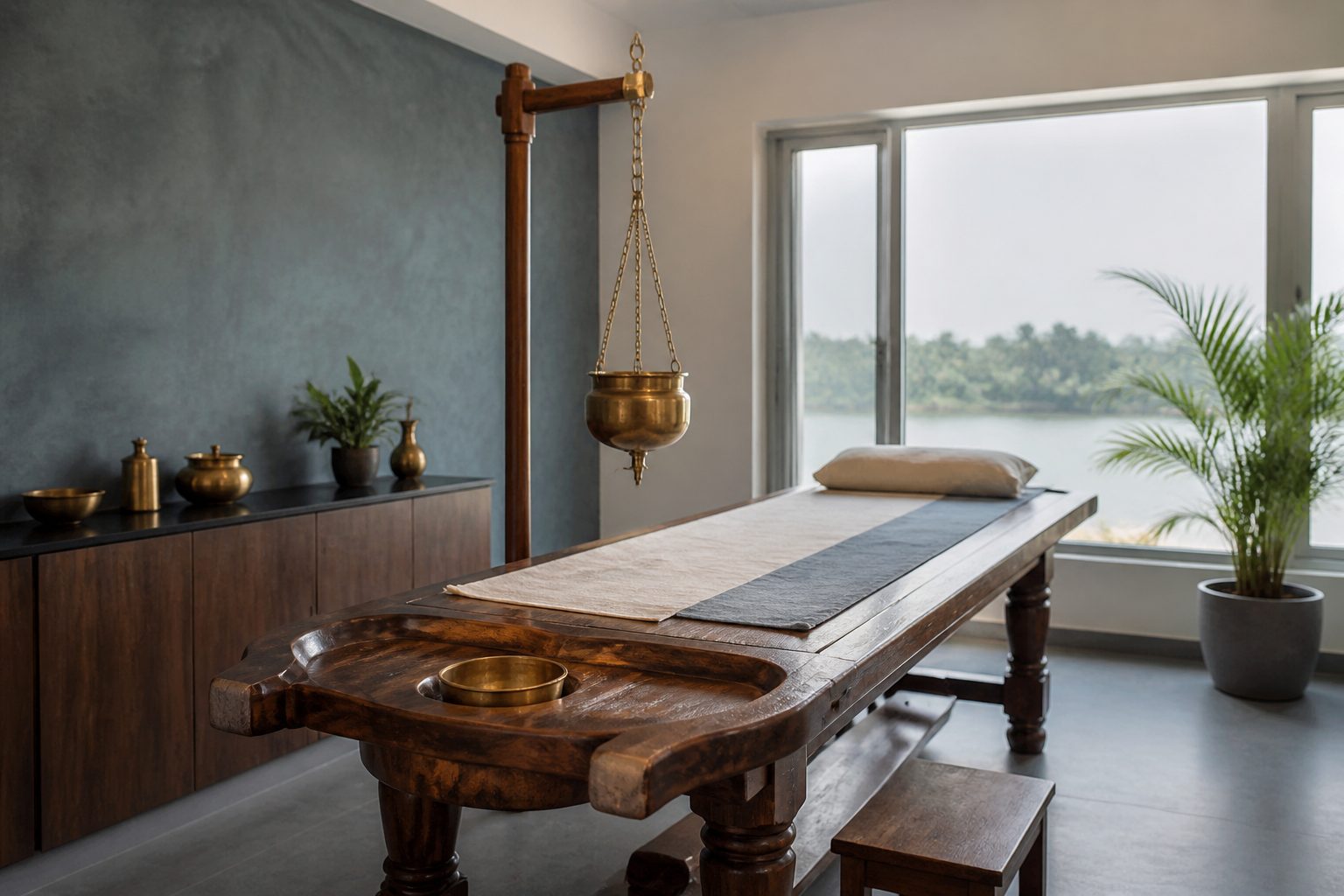
Panchakarma is a cornerstone of Ayurvedic medicine, designed for detoxification, rejuvenation, and restoring balance in the body. For patients and wellness seekers considering a Panchakarma programme, costs range widely—typically from $600 to $3,000 for a 7–21 day stay, depending on the centre, location, and level of accommodation.
This guide explains what you can expect from a Panchakarma programme: the main procedures, what’s included in the price, what may cost extra, and how prices compare across major Ayurveda, naturopathy, and wellness destinations. It is written for those considering treatment in India, South and Southeast Asia, or internationally.
What is Panchakarma?
Panchakarma is an intensive Ayurvedic detoxification and rejuvenation programme comprised of five core therapies designed to eliminate accumulated toxins (ama) and restore balance among the body’s three doshas (Vata, Pitta, and Kapha). The five primary procedures are:
- Vamana (therapeutic emesis): A controlled process to induce vomiting, primarily for Kapha disorders.
- Virechana (purgation): The administration of herbal laxatives to cleanse the intestines, mainly targeting Pitta imbalances.
- Basti (medicated enemas): Use of herbal decoctions and oils introduced via the rectum, considered especially effective for Vata-related issues.
- Nasya (nasal therapy): Application of medicated oils or powders through the nostrils to clear toxins from the head and neck region.
- Raktamokshana (bloodletting): A rarely performed procedure in modern settings, used for specific blood-borne or skin disorders.
Today, most Panchakarma programmes focus on the first four therapies, as Raktamokshana is less common due to regulatory and safety concerns, especially outside India. Each treatment plan is highly individualised: after a detailed consultation, the Ayurvedic doctor assesses the patient’s constitution (prakriti), current imbalances, health history, and goals. The core Panchakarma procedures are almost always preceded by preparatory steps (Purva Karma), such as:
- Abhyanga: Full-body oil massage using medicated oils tailored to the dosha imbalance.
- Swedana: Herbal steam therapy to open channels and promote toxin release.
- Shirodhara: Continuous pouring of warm oil on the forehead, calming the mind and nervous system.
- Special diets: Easily digestible, vegetarian meals designed to support the detox process and reduce digestive load.
Panchakarma is practiced in India, Sri Lanka, Nepal, and increasingly in wellness resorts worldwide, with adaptations to local regulations and cultural expectations. The cost, duration, and specific therapies offered can vary significantly by country and centre, but the fundamental aim remains: to deeply cleanse, balance, and rejuvenate the body and mind using time-tested Ayurvedic principles.
What is included in a typical Panchakarma programme?
Most established Ayurveda hospitals, wellness resorts, and naturopathy centres offer structured Panchakarma packages designed to deliver both therapeutic and rejuvenative benefits. The duration of these programmes usually ranges from 7 to 21 days, but some chronic conditions may require longer stays of up to 28 days or more. The following components are typically included in a comprehensive Panchakarma package:
- Initial consultation and ongoing medical supervision: Your journey begins with a thorough assessment by a qualified Ayurvedic physician, who tailors the treatment plan to your individual constitution and health concerns. Regular check-ins ensure therapies are adjusted as needed.
- Personalised daily therapies: Core Panchakarma treatments such as Abhyanga (oil massage), Swedana (herbal steam), Shirodhara (oil pouring), Basti (medicated enemas), and Nasya (nasal therapy) are administered according to your protocol. The specific mix and frequency depend on your dosha imbalance and treatment goals.
- Herbal medicines and oils: All internal and external medicines, medicated oils, and herbal decoctions used during your stay are usually included in the package price.
- Special dietary meals: Meals are strictly vegetarian and prepared according to Ayurvedic principles. Menus are often sattvic (pure, simple, and nourishing) and tailored to your treatment phase, supporting detoxification and healing.
- Yoga and meditation sessions: Daily group or individual classes help support relaxation, stress reduction, and mind-body integration, which are considered vital for successful outcomes.
- Accommodation: Depending on your chosen package and budget, you may stay in a shared room, private room, or suite. In India and Sri Lanka, options range from basic ashram-style lodgings to luxury resort villas.
- Follow-up consultation and discharge advice: Before departure, you’ll receive a final check-up and personalised recommendations for diet, lifestyle, and home care to maintain benefits.
Some centres also enhance their packages with group educational sessions, Ayurvedic cooking classes, lectures on healthy living, and access to wellness facilities such as swimming pools, herbal gardens, or nature trails. High-end or international centres may offer additional amenities like spa treatments, physiotherapy, or cultural excursions, often at extra cost. Always review the detailed itinerary and list of inclusions before booking, as offerings can vary widely between providers and countries. This ensures you get the best value and a programme that matches your health goals and expectations.
How much does Panchakarma cost in different countries?
The cost of a Panchakarma programme varies significantly by country, centre reputation, practitioner experience, and length of stay. India remains the most affordable destination, but high-end resorts in Sri Lanka, Thailand, and Bali also attract international clients. Here is a comparison of indicative package costs for a 14-day Panchakarma programme at reputable centres in major destinations:
| Country | Typical cost (14 days) | Inclusions |
|---|---|---|
| India | $600–$2,000 (₹50,000–₹1.7 lakh) | Therapies, accommodation, meals, doctor consults, yoga |
| Sri Lanka | $1,000–$2,500 (LKR 320,000–800,000) | Therapies, accommodation, meals, excursions |
| Thailand | $1,200–$3,000 (THB 43,000–108,000) | Therapies, luxury accommodation, meals, yoga |
| Bali (Indonesia) | $1,000–$2,800 (IDR 16–45 million) | Therapies, accommodation, meals, yoga, meditation |
| Germany/Europe | $2,000–$5,000 (€1,850–€4,600) | Therapies, accommodation, meals, doctor consults |
| USA | $2,500–$7,000 | Therapies, accommodation, meals, doctor consults |
| UK | $2,200–$5,500 (£1,700–£4,400) | Therapies, accommodation, meals, yoga |
| UAE | $1,800–$4,000 (AED 6,600–14,700) | Therapies, accommodation, meals, doctor consults |
These prices are for standard packages at accredited or well-reviewed centres, based on double occupancy in a basic room. Luxury suites, extended stays, or private physician care can increase costs substantially.
What procedures are involved?
Panchakarma always starts with a detailed consultation and assessment (prakriti/pariksha) by a qualified Ayurvedic physician. The programme is then tailored to the individual’s health status and goals. The core stages include:
- Poorva Karma (preparatory procedures): Snehana (internal and external oleation with medicated oils or ghee) and Swedana (herbal steam or fomentation) to loosen toxins.
- Pradhana Karma (main procedures): One or more of the five classical therapies, most commonly Vamana (emesis), Virechana (purgation), Basti (medicated enemas), and Nasya (nasal therapy). The specific procedures and intensity are chosen based on the patient’s constitution and condition.
- Pashchat Karma (post-procedure care): Gradual reintroduction of normal diet and lifestyle, supportive herbal medicines, and ongoing advice to stabilise results.
Most programmes also include daily Abhyanga (oil massage), Shirodhara (oil poured on the forehead), yoga, and meditation. The intensity and invasiveness of the main therapies vary: not every guest will undergo Vamana or Basti, especially if the aim is general wellness rather than treatment of a specific disorder.
What is and isn’t included in the price?
Understanding exactly what you are paying for is crucial when booking a Panchakarma programme, as inclusions and exclusions can vary significantly between centres and countries. Typically, a standard Panchakarma package will cover the following core elements:
- Initial and follow-up consultations: These are essential for customising your treatment plan and monitoring progress. They are usually conducted by an experienced Ayurvedic doctor or medical team.
- All prescribed therapies and daily treatments: This includes the main Panchakarma procedures (such as Vamana, Virechana, Basti, and Nasya) as well as preparatory and supportive therapies like Abhyanga (oil massage), Swedana (herbal steam), and Shirodhara (oil pouring).
- Herbal medicines and oils used during the stay: The cost of medicated oils, herbal decoctions, and other consumables used in daily treatments is generally included.
- Accommodation and all meals: Most centres offer on-site lodging, with meal plans that strictly follow the Ayurvedic dietary regimen (vegetarian, often sattvic, and tailored to your dosha and treatment phase). Room types can range from shared dormitories to private suites, depending on your package and budget.
- Yoga, meditation, and wellness classes: Daily group sessions are often included to support relaxation, healing, and lifestyle change.
However, there are several common exclusions that can lead to additional out-of-pocket expenses:
- Airport transfers: Transport to and from the centre is often not included, especially in international destinations like Kerala, Sri Lanka, or Thailand.
- Personal extras: Services such as laundry, room service, and special diet requests (beyond the standard protocol) usually incur extra charges.
- Additional therapies: Treatments not part of your initial package, such as beauty therapies, physiotherapy, or spa services, are billed separately.
- Diagnostic tests: Blood tests, imaging, or other medical diagnostics, if recommended, are typically not covered in the base price.
- Prescribed medicines for home use: Any herbal medicines, supplements, or oils recommended for continued use after discharge are almost always an extra cost.
- Travel insurance or medical evacuation: These are never included and must be arranged separately, especially for international clients.
Before booking, always request a detailed written breakdown of what is included and excluded, and clarify if there are any optional add-ons or mandatory fees. This is particularly important in countries like India, where package structures and standards can differ widely between centres. Being informed helps you avoid unexpected expenses and ensures a smoother, more transparent healing experience.
Hidden and additional costs to consider
While most Panchakarma centres advertise comprehensive package prices, there are several hidden and additional costs that can significantly impact your total expenditure. Being aware of these in advance helps you budget realistically and avoid surprises during or after your stay. Here are some common extra charges to watch for:
- Single room supplements: Many quoted prices are based on double occupancy or shared rooms. If you prefer a private room or a luxury suite, expect to pay a daily supplement, which can be substantial, especially in high-end resorts or international destinations.
- Longer stays: Panchakarma is most effective when tailored to your health needs, which may require extending your programme beyond the standard 7 or 14 days. Chronic or complex conditions often necessitate 21–28 day stays, resulting in much higher overall costs. Some centres offer discounted rates for longer durations, but always clarify this in advance.
- Specialist consultations: While basic doctor visits are typically included, consultations with senior specialists, visiting Ayurvedic experts, or allopathic doctors (for integrated care) are often billed separately. This is more common in medicalised centres and luxury resorts.
- Diagnostics: Blood tests, imaging (like ultrasound or X-rays), or other investigations may be recommended to monitor progress or rule out contraindications. These are rarely included in the standard package and can add significantly to your bill, especially in urban hospitals or international clinics.
- Post-programme medicines: Aftercare is crucial in Ayurveda, and most doctors will prescribe herbal medicines, supplements, or oils for continued use at home. These are almost always an extra expense, and prices can vary depending on the quality and source of the products.
- Transport: Airport pickups and drop-offs, local taxi fares, or organised excursions are seldom included, especially in international destinations or rural ashrams. In some countries, such as India or Sri Lanka, these costs can be negotiated or bundled, but always confirm in writing.
- Visa and travel costs: For international clients, visa fees, travel insurance, and flights are never included and can add significantly to your overall budget.
- Gratuities and service charges: In some resorts, tips for therapists or mandatory service charges may be expected at the end of your stay.
To avoid unexpected expenses, request a comprehensive list of potential extra charges before booking. Ask specifically about room upgrades, extended stays, specialist fees, and post-programme medicine costs. If possible, get all agreements in writing. This is particularly important in countries with variable pricing structures, such as India and Sri Lanka, where transparency can differ between providers. Taking these steps ensures you can plan your Panchakarma experience with confidence and peace of mind.
How to save on Panchakarma safely
There are ways to reduce costs without compromising safety or quality:
- Choose off-peak seasons: Prices are lower during the hot or monsoon months in India and Sri Lanka, though be aware of weather and comfort.
- Stay at teaching hospitals: Ayurveda colleges often offer supervised Panchakarma at lower rates, with doctors in training under senior supervision.
- Opt for shared accommodation: Sharing a room brings down costs significantly.
- Book directly: Booking through the centre’s own website or patient desk may avoid third-party commissions.
- Shorter programmes: While 21 days is traditional, 7–14 day wellness-focused packages are widely available and more affordable.
Never compromise on hygiene, doctor qualifications, or accreditation to save money. Check for government registration (in India: NABH or state AYUSH registration) and read independent reviews before committing.
How to choose a centre
Selecting the right Panchakarma centre is a crucial decision that can significantly affect both your healing experience and the value you receive for your investment. Not all providers maintain the same standards of care, expertise, or transparency, so it’s important to evaluate centres carefully based on multiple factors:
- Doctor qualifications: Ensure that the centre employs experienced, licensed Ayurvedic doctors. In India, look for practitioners with BAMS (Bachelor of Ayurvedic Medicine & Surgery) or MD (Ayurveda) degrees. In Sri Lanka, check for registration with the Sri Lanka Ayurveda Medical Council. International centres should have equivalent credentials or partnerships with Indian experts.
- Accreditation: Accreditation is a marker of quality and safety. In India, NABH (National Accreditation Board for Hospitals & Healthcare Providers) or state AYUSH accreditation indicates compliance with national standards. In Sri Lanka, look for Ministry of Health approvals. Internationally, seek out centres with recognised wellness or medical tourism certifications.
- Hygiene standards: Cleanliness is non-negotiable. Centres should follow strict protocols for infection control, sterilisation of equipment, and safe handling of oils and medicines. Visit in person if possible, or request recent photos and hygiene policy documents.
- Personalisation: Avoid centres offering a one-size-fits-all approach. The best providers conduct thorough assessments and tailor therapies, diets, and daily routines to your specific dosha imbalance, health history, and goals.
- Transparency: Reputable centres provide clear, written information about all procedures, costs, inclusions, and exclusions. Insist on a detailed contract or booking confirmation before making any payments.
- Patient support: Especially important for international clients, look for centres with dedicated patient coordinators, language support, and assistance with travel logistics, visas, and local transport.
Practical steps when choosing a centre include:
- Requesting sample daily schedules and detailed treatment plans.
- Asking for doctor CVs and proof of accreditation or licensing.
- Reading verified patient testimonials and reviews, ideally from people in your country or with similar health concerns.
- If possible, speaking directly with recent patients or joining online forums to get unbiased feedback.
- Comparing costs, inclusions, and cancellation policies across multiple centres—especially in countries like India, where pricing and standards can vary widely.
Taking these steps ensures you select a centre that matches your needs, expectations, and budget, and maximises the therapeutic benefits of your Panchakarma experience.
Planning your visit: practical tips
Effective planning helps you get the most from your Panchakarma experience:
- Medical clearance: If you have chronic health conditions, consult your primary doctor to ensure Panchakarma is appropriate.
- Book in advance: Many reputable centres fill up months ahead, especially in winter and spring.
- Travel insurance: Buy a policy that covers medical treatment and trip changes, even for wellness travel.
- Pace yourself: Panchakarma can be physically and emotionally intense—plan to rest, and avoid busy sightseeing during or immediately after the programme.
- Language and culture: English is widely spoken at major centres, but learning a few local phrases and customs can help.
- Aftercare: Follow discharge advice on diet, medicines, and lifestyle to maintain benefits.
Arrive with realistic expectations: Panchakarma is not a quick fix, but a holistic process that requires time and commitment.
Frequently asked questions
How long does a typical Panchakarma programme last?
The most common durations are 7, 14, or 21 days. Seven days is often suitable for wellness and mild detox, while 14–21 days are preferred for therapeutic purposes or chronic conditions. The exact length is determined after assessment by an Ayurvedic physician.
Is Panchakarma safe for everyone?
Panchakarma is generally safe when supervised by a qualified Ayurvedic doctor at an accredited centre. However, it may not be suitable for children, pregnant women, elderly patients with frailty, or those with certain health conditions. Always seek medical advice before starting any intensive detox.
Will I need to follow a special diet?
Yes. Panchakarma includes a prescribed diet—usually vegetarian, light, and easy to digest. Meals are tailored to your constitution and the stage of the programme. This is a core part of the treatment and helps support the body’s cleansing process.
Can I do Panchakarma as an outpatient?
Some therapies can be done as an outpatient, but a full Panchakarma is most effective when done in a residential setting. This allows for supervision, rest, and adherence to the protocol. Outpatient Panchakarma may be an option for those living near a reputable centre.
Are the effects of Panchakarma permanent?
Panchakarma is intended to support long-term balance and wellness, but its effects depend on your lifestyle, diet, and follow-up care. Ongoing healthy habits and periodic follow-up treatments are recommended to maintain benefits.
Related guides
Disclaimer: Prices and inclusions are indicative and vary by individual case, centre, and location. Always request a detailed written quote and consult a qualified doctor before beginning Panchakarma or any intensive wellness programme.