
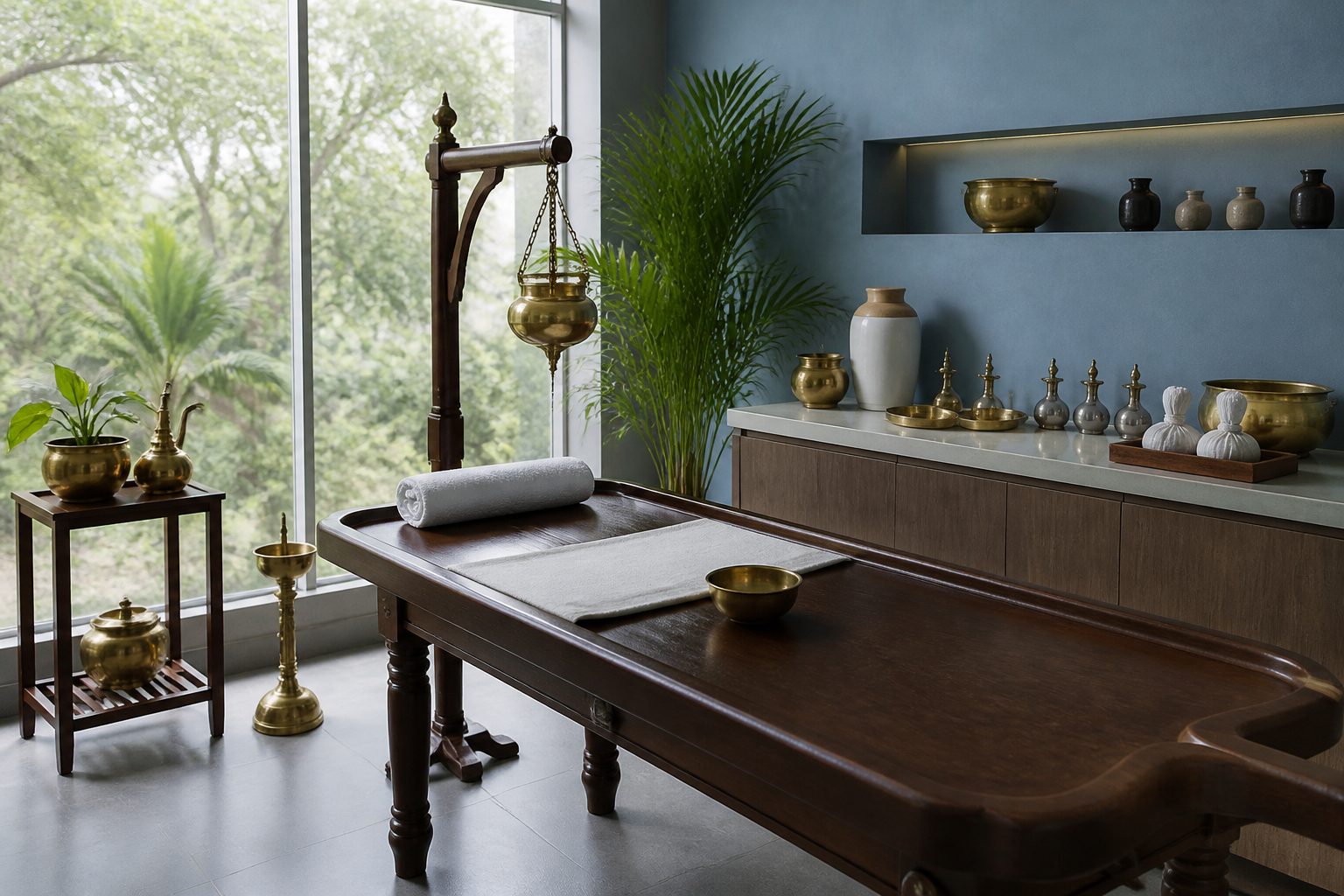
This guide is for anyone considering traditional or wellness medicine at Ayurveda hospitals, Panchakarma and yoga therapy centres, naturopathy and Unani clinics, Traditional Chinese Medicine (TCM) institutions, or modern medical spas. It explains how to avoid unproven treatments, what to expect in terms of safety, and what typical programmes cost in popular destinations.
The bottom line: Most wellness resorts offer a mix of proven and traditional therapies. Programme costs range from $500-$6,000 (₹41,000–₹5 lakh or equivalent) per week, depending on the centre, location, and inclusions. Careful research helps you avoid exaggerated claims and hidden risks.
What wellness resorts and traditional medicine clinics offer
Wellness resorts and traditional medicine clinics provide a wide spectrum of therapies, combining ancient healing practices with modern hospitality and amenities. In India, Ayurveda hospitals and resorts offer structured Panchakarma detoxification programmes, herbal body treatments, medicated oil massages (Abhyanga), yoga, meditation, and personalised dietary plans based on dosha (body constitution) assessments. Sri Lankan Ayurveda centres provide similar therapies, often in scenic, natural settings. In China, TCM clinics and hospitals deliver acupuncture, herbal medicine, cupping, moxibustion, and tui na (therapeutic massage), with many practitioners trained in both traditional and modern medical sciences.
Naturopathy centres, common in India, Europe, and North America, focus on non-invasive treatments such as hydrotherapy (water-based therapies), mud packs, therapeutic fasting, and lifestyle counselling. These clinics often emphasise holistic wellness and preventive care, sometimes integrating yoga, meditation, and nutritional guidance. Medical spas, which may be found worldwide, blend evidence-based therapies like physiotherapy and nutrition advice with traditional treatments such as herbal wraps, aromatherapy, and massage.
Most programmes include accommodation—ranging from simple hospital rooms to luxury suites—along with meals tailored to therapeutic diets, daily treatments, consultations with practitioners, and access to group wellness activities like yoga classes or nature walks. Some centres function as fully equipped hospitals with 24/7 medical supervision, while others operate more as resorts or retreats, with varying levels of clinical oversight. The degree of medical supervision and the scientific evidence supporting each therapy can differ widely, so it’s important to match your choice to your personal health needs and expectations.
When considering a centre, review their list of available therapies, ask about the qualifications of their staff, and check whether they offer integration with conventional medical care if needed. This ensures you receive both authentic traditional treatments and appropriate safety measures during your stay.
Why unproven treatments are a concern
Unproven treatments are those lacking reliable scientific evidence for safety or effectiveness. Many therapies offered at wellness resorts — for example, certain detox regimens, extreme fasting, or proprietary herbal concoctions — have not been rigorously tested. Risks can include adverse reactions, interactions with prescription medications, or delays in receiving appropriate medical care for serious conditions. Some treatments may be harmless but expensive and ineffective. Others, particularly those involving unregulated supplements or invasive procedures, can be dangerous.
It is common for wellness resorts to make broad claims about boosting immunity, curing chronic diseases, or reversing ageing. While some traditional practices offer real benefits — for example, yoga for stress reduction, or acupuncture for certain types of pain — not all therapies are equally supported by evidence. Understanding the difference helps protect your health and your wallet.
Programme costs: What’s included and what’s not
Costs at wellness resorts and traditional medicine hospitals vary widely based on the type of centre, location, length of stay, and level of luxury. Programmes may range from budget packages at rural ashrams to luxury retreats in five-star settings. Most include accommodation, meals, daily treatments, and initial consultations. Some packages are all-inclusive, while others charge extra for specialist consultations, advanced therapies, lab tests, or medications.
It is important to clarify in advance what is covered. For example, an Ayurveda Panchakarma retreat may include basic therapies but charge extra for additional treatments or doctor visits. TCM clinics may bill separately for herbal prescriptions. Medical spas often have a menu of optional add-ons. Taxes, airport transfers, and tips may or may not be included.
| Country | Typical 1-week programme | What’s usually included | Common exclusions |
|---|---|---|---|
| India | $500–$2,500 (₹41,000–₹2 lakh) | Accommodation, meals, Ayurveda/naturopathy/yoga therapies, consultations | Specialist consults, advanced diagnostics, medicines, airport transfers |
| Sri Lanka | $700–$2,000 (LKR 215,000–610,000) | Accommodation, meals, Ayurveda therapies, doctor visits | Imported medicines, insurance, excursions |
| Thailand | $1,100–$3,000 (฿40,000–110,000) | Medical spa treatments, TCM therapies, meals, fitness classes | Lab tests, premium therapies, airport transfers |
| China | $800–$2,500 (¥5,800–18,000) | TCM therapies, accommodation, some meals, consultations | Herbal medicines, diagnostics, insurance |
| Indonesia | $600–$1,800 (IDR 9.8–29 million) | Wellness therapies, yoga, meals, group activities | Doctor consults, premium treatments, airport transfers |
| Philippines | $700–$2,300 (₱39,000–129,000) | Detox programmes, accommodation, meals, group sessions | Lab tests, supplements, private consultations |
| Europe (e.g. Germany, Switzerland) | $2,000–$6,000 (€1,800–5,500) | Medical spa, hydrotherapy, nutrition consults, accommodation | Advanced diagnostics, specialist care, transfers |
| USA | $2,500–$6,000 | Medical spa, integrative medicine consults, basic therapies | Herbal supplements, lab tests, insurance |
How to check if a treatment is evidence-based
To assess whether a therapy is supported by evidence, ask the centre for references to published research or clinical guidelines. Reliable treatments are usually endorsed by reputable health authorities or described in peer-reviewed medical journals. For example, yoga and mindfulness have strong evidence for stress reduction and mental health. Acupuncture has moderate evidence for chronic pain and some types of nausea. In contrast, claims about detoxifying the body, reversing chronic diseases, or rapid weight loss via herbal purges lack credible support.
Be cautious if the centre cannot provide references or relies on testimonials and anecdotal claims. It is reasonable to ask whether the staff include licensed doctors or therapists, and if the centre is accredited by a recognised authority (such as NABH or JCI for hospitals). Avoid therapies that require you to stop essential prescription medications or replace conventional medical care.
Red flags: How to spot potentially unsafe or exaggerated therapies
Identifying red flags is crucial to protecting yourself from unsafe or exaggerated therapies at wellness resorts and traditional medicine clinics. Be wary of any centre that promises miracle cures, rapid detoxification, or dramatic weight loss in a short period—these are classic warning signs of unproven or potentially dangerous treatments. If staff urge you to stop taking your regular medications, or claim that their therapies can replace essential medical treatments (such as surgery, insulin for diabetes, or chemotherapy), this is a strong indication of unsafe practice.
Lack of transparency is another red flag. If the centre does not provide clear information about the risks, side effects, or scientific evidence behind their therapies, or if they are unwilling to disclose the ingredients of proprietary herbal mixtures or supplements, you should be cautious. Such products may contain undisclosed substances that could interact dangerously with your current medications or cause harmful side effects. Always ask about the qualifications and registration status of the practitioners delivering your treatments, and verify these independently if possible.
Check that the centre has established protocols for emergencies, such as immediate access to medical care or partnerships with nearby hospitals. Avoid places that discourage you from seeking outside medical advice, or that suggest their therapies are a substitute for proven treatments for serious or life-threatening conditions. Reputable centres will always encourage you to consult your regular doctor and will be transparent about what their therapies can and cannot achieve.
Finally, be skeptical of treatments or outcomes that sound too good to be true, or that are not recommended by reputable medical organisations such as the World Health Organization, national health ministries, or established medical associations. Trust your instincts—if something feels off, seek a second opinion or choose another centre. Protecting your health is more important than pursuing unproven promises.
How to choose a safe wellness resort or traditional medicine centre
Choosing a safe wellness resort or traditional medicine centre is essential to protect your health and investment. Begin by thoroughly researching the centre’s credentials. In countries like India, reputable centres are often licensed by state or national health authorities and may hold accreditations such as NABH (National Accreditation Board for Hospitals & Healthcare Providers) or JCI (Joint Commission International), which signal adherence to high standards. In Thailand, look for Ministry of Public Health approval, while in China, TCM (Traditional Chinese Medicine) clinics should be registered with relevant government bodies.
Examine the programme details carefully. Request a clear, itemised quote that lists all inclusions—accommodation, meals, therapies, consultations, and any optional extras. This transparency helps you avoid hidden costs or surprise charges. Confirm that the staff includes qualified and registered professionals, such as licensed doctors, certified therapists, or practitioners with formal training in the specific traditional system offered (e.g., Ayurveda, TCM, naturopathy). Ask for proof of credentials if in doubt, and check whether there is on-site medical supervision, particularly if you have existing health conditions.
Seek out independent reviews from previous guests, focusing on feedback about clinical quality, safety, and transparency rather than just hospitality or ambiance. Look for verified patient testimonials, and consider consulting international travel health forums or medical tourism agencies for additional insights. If you have ongoing medical needs, ask the centre how they integrate traditional therapies with conventional care and whether they can coordinate with your regular physician if necessary.
Finally, verify the centre’s policies on emergencies, infection control, and language support—especially important for international guests. Ask about the availability of English-speaking staff or translators, and ensure there are clear procedures for medical emergencies, including access to nearby hospitals. Taking these practical steps can help you select a centre that prioritises both your safety and your wellbeing.
How to plan and budget for your stay
Effective planning and budgeting are key to a stress-free and cost-effective wellness retreat. Begin by calculating the total cost of your stay, which goes beyond the advertised programme fee. Include expenses such as international or domestic travel, visa fees (especially for countries like India, Thailand, or Sri Lanka), airport transfers, travel insurance, and any additional treatments or services not covered in the base package. Some centres charge extra for specialist consultations, diagnostic tests, or premium accommodation, so request a detailed, written breakdown of all potential costs before booking.
Prepare your medical documentation in advance. Bring copies of your recent medical records, a list of current medications, allergy information, and details of any chronic conditions. It’s wise to consult your primary care physician before your trip, particularly if you have ongoing health issues or are considering intensive therapies such as Panchakarma (Ayurveda) or fasting regimens (naturopathy). Ask your doctor for advice on which treatments are appropriate and safe for you.
Contact the centre to clarify practical details. Inquire about airport transfers, as some resorts include this service while others charge a fee. Ask about dietary accommodations, especially if you have allergies, intolerances, or special preferences. Check if the centre has restrictions on physical activities, outings, or visitor policies, which can affect your overall experience. Understanding the cancellation and refund policy is also essential in case your travel plans change due to illness or unforeseen events. Many centres have strict policies, so be sure to get this information in writing.
Look for special offers such as discounts for longer stays, off-season rates (which are common in tropical destinations during monsoon or summer), or special pricing for international patients. Compare your options by requesting itemised quotes from multiple centres, ensuring you’re comparing similar inclusions. Finally, invest in comprehensive travel insurance that covers not only trip cancellations and lost luggage but also medical emergencies and evacuation, which is especially important if you’re travelling to remote areas or engaging in intensive therapies.
How to save safely without compromising quality
Saving money on wellness travel is possible, but it’s crucial not to sacrifice safety or clinical quality in the process. Start by prioritising centres that offer transparent pricing and detailed descriptions of their programmes. Avoid places that provide vague or bundled quotes, as these can hide extra charges or unnecessary treatments. In countries like India and Sri Lanka, government-run Ayurveda hospitals or university-affiliated traditional medicine clinics often provide high-quality therapies at much lower costs than private luxury resorts. In China, public TCM hospitals are generally more affordable and strictly regulated compared to boutique retreats.
If you’re new to traditional therapies, consider booking a shorter programme initially. Many centres offer three- or five-day introductory packages, allowing you to assess your response to treatments before committing to a longer and more expensive stay. Only extend your programme if you tolerate the therapies well and see clear benefits. This approach minimises both health risks and unnecessary expenses.
Never compromise on essential medical supervision or skip recommended diagnostics simply to save money. Avoid unproven or experimental treatments, especially those marketed as cheaper alternatives but lacking scientific support. If a centre recommends costly supplements, proprietary herbal mixtures, or branded wellness products, ask for evidence of efficacy and request more affordable, generic alternatives if available.
For families or groups, inquire about group discounts or the possibility of sharing accommodation, which can significantly lower per-person costs. Some centres also offer off-season rates or loyalty discounts for repeat guests. Always ask for a written breakdown of all costs and inclusions before booking, and ensure that any add-ons are optional rather than mandatory. By following these practical steps, you can enjoy the benefits of traditional medicine and wellness travel without exposing yourself to unnecessary risks or hidden expenses.
Frequently asked questions
Are traditional medicine therapies safe for everyone?
Not all traditional or wellness therapies are safe for everyone, especially for people with chronic health conditions, pregnancy, or those taking prescription medications. Always consult your doctor before starting a new therapy, and inform the centre about your health status and medications.
How do I know if a wellness centre is properly accredited?
Ask the centre for proof of government licensing and, where relevant, accreditations such as NABH (India), JCI, or national health authority approvals. Reputable centres are transparent about their credentials and willing to provide documentation.
What should I do if I experience side effects during a programme?
Report any side effects or discomfort to the centre’s medical staff immediately. If you have a serious reaction, seek help from a local hospital or emergency service. Do not hesitate to stop a treatment if you feel unwell.
Can I combine traditional therapies with my regular medications?
Some traditional therapies and herbal medicines can interact with prescription drugs. Discuss your medication list with both your doctor and the centre’s practitioners before starting any new therapy, and never stop prescribed medicines without medical advice.
What’s the difference between a wellness resort and a hospital-based programme?
Wellness resorts focus on relaxation and lifestyle therapies, often in a luxury setting, and may have limited medical supervision. Hospital-based programmes are usually overseen by licensed doctors and may be better equipped for guests with complex medical needs.
Related guides
Disclaimer: Prices and programme details are indicative and can vary by hospital, resort, and individual case. Always request a written quote and consult a qualified doctor before starting any wellness or traditional therapy.