
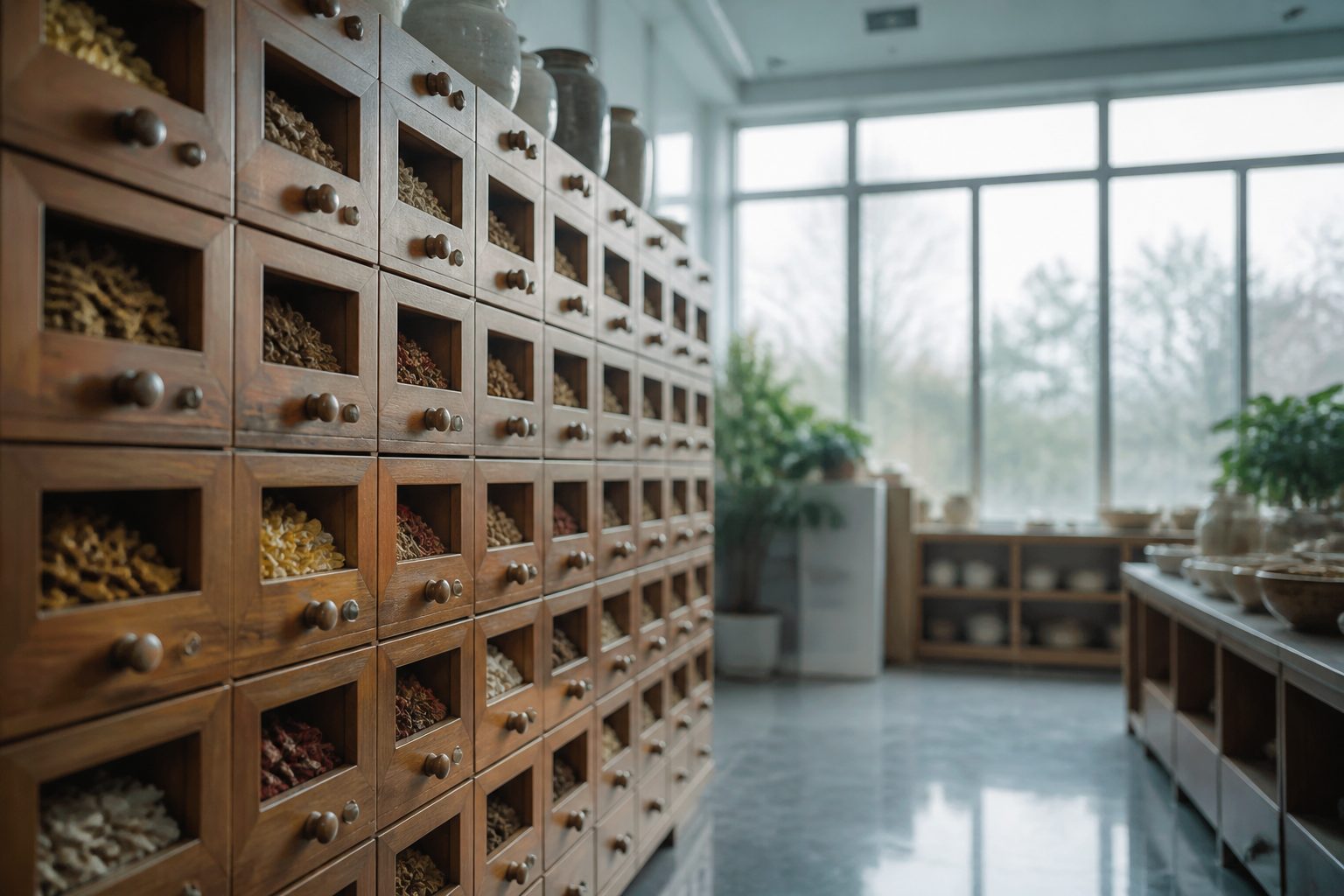
Chinese herbal medicine prescriptions can cost anywhere from $8 to $80 per week worldwide, depending on the country, clinic, and type of herbs provided. This guide is for patients and families considering traditional and wellness medicine programmes, including those at TCM clinics, Ayurveda hospitals, and wellness retreats.
Below, you’ll find typical price ranges for Chinese herbal prescriptions in major countries, what’s included, and practical tips for choosing safe, reputable providers. We also cover common cost drivers, what to expect from a treatment programme, and how to plan your budget.
How much does a Chinese herbal medicine prescription cost?
The price of a Chinese herbal medicine prescription varies widely by country and type of clinic. In China, raw herbal formulas can be as affordable as $8-$20 for a week’s supply at public hospitals. In the US, UK, and Australia, a similar prescription from a licensed TCM practitioner may cost $35-$80 per week, depending on whether the herbs are raw, granulated, or in pill form. Southeast Asian countries and India typically offer lower prices, but imported herbs or international clinics may charge more.
Most clinics charge separately for the consultation and the herbal prescription. Some wellness retreats and integrative hospitals include herbal medicine as part of a package, but always check what’s included. The table below compares typical weekly prescription costs in top destinations.
| Country | Typical cost (1 week) | Includes | Notes |
|---|---|---|---|
| China | $8-$20 (¥60-150) | Raw herbs or granules | Lowest prices in public hospitals; private clinics higher |
| Taiwan | $10-$25 (NT$320-800) | Raw or granules | Insurance may cover part of cost for residents |
| Singapore | $18-$40 (SGD 24-54) | Granules, capsules | Private TCM clinics, some insurance coverage |
| Malaysia | $10-$25 (RM 45-115) | Raw or granules | Lower prices at local clinics |
| India | $8-$16 (₹650-1,300) | Raw herbs, powders | Available at TCM, Ayurveda, and naturopathy centres |
| Indonesia | $10-$22 (Rp 150,000-340,000) | Granules, capsules | Imported herbs may cost more |
| Philippines | $12-$28 (₱650-1,500) | Granules, capsules | Mostly private clinics |
| United States | $35-$80 | Granules, capsules, pills | Varies by state and practitioner |
| United Kingdom | $30-$70 (£24-56) | Granules, pills | Licensed TCM practitioners |
| Australia | $35-$60 (A$52-90) | Granules, pills | Accredited TCM clinics |
| Germany | $40-$80 (€37-75) | Granules, capsules | Specialist clinics, some insurance coverage |
| France | $35-$70 (€32-65) | Granules, capsules | Mostly private practice |
What does a herbal prescription include?
A typical Chinese herbal medicine prescription includes a customised blend of herbs, usually tailored to your symptoms and diagnosis according to TCM principles. The herbs may be dispensed as raw dried plant material (to be boiled into a decoction at home), as granules (dissolved in hot water), or as ready-made pills or capsules. Most clinics provide enough for 5 to 7 days per prescription.
Some clinics will include basic instructions for preparation and consumption, but in-person or online follow-up consultations are usually charged separately. In wellness retreats, herbal medicine may be part of a broader treatment package with acupuncture, massage, or dietary therapy.
Common cost drivers
The cost of a Chinese herbal medicine prescription can vary widely depending on several key factors. Understanding these drivers can help you anticipate expenses and make informed decisions about your care.
- Type of herbs: The specific herbs in your prescription are often the most significant factor. Rare, endangered, or wild-harvested herbs—such as wild ginseng or cordyceps—can dramatically increase the price. Imported herbs also cost more, especially in countries where import duties or phytosanitary regulations apply. More common formulas, using widely cultivated or domestically available ingredients, are much more affordable.
- Preparation form: The way your herbs are prepared also impacts cost. Raw herbs, which you boil at home, are generally the cheapest option but require time and effort to prepare. Granules and capsules are more convenient, requiring only hot water or easy swallowing, but they cost more due to processing, packaging, and sometimes import fees. In Western countries, granules and pills are often the default, making prescriptions pricier than in Asia.
- Clinic type: Where you receive care matters. Public hospitals and local TCM clinics, especially in China and Southeast Asia, offer lower prices due to government support and high patient throughput. Private TCM specialists, boutique clinics, and international wellness centers—common in the US, UK, and Australia—tend to charge premium rates for personalized service, English-speaking staff, and more luxurious settings.
- Region: Urban centers, especially in developed countries, often have higher rents and operating costs, which are reflected in higher prices. Additionally, countries with strict import regulations or high taxes on herbal products (such as the US or parts of Europe) will pass these costs on to patients.
- Consultation fees: Herbal medicine costs are usually separate from consultation fees. The initial assessment, follow-up appointments, and any diagnostic work (such as tongue or pulse diagnosis) are often billed separately. These fees can add significantly to your total cost, especially in Western countries where practitioner time is more expensive.
By understanding these cost drivers, you can better anticipate your expenses, ask informed questions, and make choices that fit your budget and health needs.
How to choose a reputable clinic or practitioner
Selecting a trustworthy clinic or practitioner is crucial for safety, efficacy, and value when seeking Chinese herbal medicine. The standards and regulations for Traditional Chinese Medicine (TCM) practitioners vary by country, so it’s important to know what to look for in your region.
In China, Taiwan, and Singapore, TCM doctors are subject to government regulation and must hold official licenses. This ensures a standard level of training and accountability. In Western countries such as the US, UK, Australia, and parts of Europe, TCM practitioners should be registered with recognized national or regional professional associations, such as the National Certification Commission for Acupuncture and Oriental Medicine (NCCAOM) in the US, or the British Acupuncture Council (BAcC) in the UK. These organizations set minimum training requirements and ethical standards.
When evaluating a clinic or practitioner, check for:
- Clear credentials and clinic registration: Verify that your practitioner is licensed or certified, and that the clinic is registered with local health authorities. Ask to see certificates or check online registries.
- Transparency about ingredients and sourcing: A reputable provider will explain where their herbs come from, whether they are tested for contaminants, and what quality standards are followed.
- Willingness to explain your prescription and potential side effects: Good practitioners should clearly describe the rationale for your prescription, possible interactions with other medications, and what side effects to watch for.
- Experience treating your condition: Ask if the practitioner has managed cases similar to yours, and if they can share anonymized case studies or references.
- Good communication: Especially important if you have allergies, take prescription medications, or have language barriers. Choose someone who listens and answers questions thoroughly.
If you are considering a wellness retreat or integrative hospital, confirm that TCM services are overseen by certified practitioners and that all herbal products are tested for contaminants. Avoid clinics that make exaggerated claims or discourage you from seeking conventional medical care where appropriate. Taking these steps helps ensure you receive safe, effective, and appropriately priced herbal medicine.
What’s included and what’s not
Most prescription costs cover only the herbs themselves. The initial consultation, diagnosis, and follow-up visits are usually billed separately, ranging from $10 in China and India to $60-$150 in Western countries. Preparation tools (such as herbal decoction pots) are rarely included.
In wellness centres or panchakarma/ayurveda hospitals, Chinese herbal medicine may be bundled with other therapies. Always clarify if the quoted price includes:
- Consultation and diagnostic assessments
- Herbal products for the entire stay or a set period
- Any preparation, delivery, or follow-up support
Imported or premium herbs, special formulas, and extra services (such as express shipping or home decoction) can add to the cost.
Hidden costs and safety considerations
When budgeting for Chinese herbal medicine, it’s essential to look beyond the advertised price of the prescription itself. Several additional or hidden costs can arise during treatment, especially for those with chronic conditions or living outside of Asia.
- Repeat prescriptions: Many patients require ongoing herbal therapy for weeks or months, especially for chronic or complex conditions. This means you’ll need to budget for multiple refills, which can double or triple your expected outlay over the course of treatment.
- Laboratory testing: Some reputable clinics, particularly in Western countries, may require or recommend laboratory tests before starting herbal therapy. This is especially true if you are taking prescription medications, have liver or kidney concerns, or are at risk for herb-drug interactions. These tests, such as liver function panels or blood counts, are typically not included in the price of herbs and can range from $20 to over $100 per test, depending on your country and insurance coverage.
- Shipping fees: If you are receiving treatment from an overseas practitioner or need your herbal products shipped internationally, shipping costs can add $20-$50 per package. Customs fees, import taxes, or delays can further increase costs and complicate access, particularly in countries with tight herbal medicine regulations.
- Quality assurance: Ensuring the safety and authenticity of herbal products is critical. High-quality clinics may charge more to source herbs that are tested for heavy metals, pesticides, and adulterants. Always ask about certifications, such as Good Manufacturing Practices (GMP) or third-party lab testing. While these measures increase costs, they significantly reduce the risk of contamination or mislabeling.
It’s vital to avoid self-prescribing or buying raw herbs from unregulated markets or unknown online sources. The risks include contamination with heavy metals, incorrect species, or adulteration with pharmaceuticals. Such dangers can lead to serious side effects or interactions, especially if you have underlying health conditions or take other medications. Always prioritize safety and transparency over saving a few dollars.
How to save safely on Chinese herbal medicine
While Chinese herbal medicine can be a significant investment, there are several strategies to reduce costs without cutting corners on safety or effectiveness. Here are practical ways to save:
- Choose raw herbs when possible: Raw herbs are often much less expensive than granules, capsules, or pre-made pills. If you have the time and ability to prepare decoctions at home, this can lower your weekly cost by 20-50%. Ask your practitioner if this is suitable for your prescription.
- Request common ingredients: Some formulas can be tailored to use more widely available, less expensive herbs. While you should never compromise the effectiveness of your treatment, ask if a more affordable alternative is possible for your condition.
- Compare clinics: Prices can vary significantly between local clinics, public hospitals, and private or international wellness centers. In many countries, public or community TCM clinics offer high-quality care at a fraction of the price charged by boutique or expat-focused centers. If you’re in a large city, shop around and ask for itemized quotes.
- Check insurance or health benefits: In some countries, health insurance, government health plans, or flexible spending accounts may cover part of your TCM consultation or herbal medicine costs. For example, Australia’s private health funds, some US health savings accounts, or Singapore’s Medisave may offer partial reimbursement. Always check with your insurer in advance.
- Look for package deals: For chronic conditions requiring long-term treatment, some clinics offer discounts for purchasing a month or more of herbs in advance. This can lower the per-week cost and may include free follow-up consultations or adjustments to your formula.
However, avoid the temptation to buy herbs online from unknown or unregulated sources, or to skip professional consultation to save money. The risk of contamination, incorrect dosing, or inappropriate formulas can lead to dangerous side effects or wasted money. Always prioritize your health and safety over short-term savings by working with qualified practitioners and reputable suppliers.
Planning your treatment and budget
If you’re considering Chinese herbal medicine as part of a wellness programme, start by clarifying your main health goals and any existing diagnoses. Schedule a consultation with a qualified TCM practitioner to discuss your case, expected duration of treatment, and likely costs. For those attending Ayurveda or naturopathy centres, ask if TCM is offered and whether it’s supervised by certified professionals.
Plan for:
- Initial and follow-up consultations
- Weekly or monthly herbal prescriptions
- Any additional therapies (acupuncture, massage, dietary advice)
- Possible laboratory tests or special assessments
Bring a list of current medications and allergies to your appointment. If you are travelling internationally, check import regulations for herbal products in your destination and home country.
Bottom line: What to expect
When considering Chinese herbal medicine prescriptions, it’s important to understand the typical price ranges and what contributes to those costs in different parts of the world. In much of Asia, including China, Taiwan, India, and Southeast Asia, Chinese herbal medicine remains relatively affordable for most patients. Expect to pay between $8 and $25 per week for a standard prescription, especially when visiting public hospitals or local clinics. These lower costs reflect the local availability of herbs, government regulation, and the high volume of patients, which keeps prices competitive. In contrast, in Western countries such as the United States, United Kingdom, Australia, and much of Europe, weekly costs are noticeably higher, often ranging from $35 to $80 or more. This is due to factors like higher import costs, stricter quality controls, and the need to comply with local health regulations.
The final price of your prescription depends on several factors: the specific herbs used (with rare or imported ingredients costing more), the form of the medicine (raw, granule, or capsule), and the reputation and location of the clinic. For example, private TCM specialists and international wellness centers typically charge more than local or public clinics. In addition to the herbs themselves, you should also consider consultation fees—which may be charged separately for the initial assessment and for any follow-up visits—as well as charges for custom formulations or additional services.
If you are managing a chronic condition, plan for several weeks or even months of ongoing treatment, as Chinese herbal medicine often works gradually. Always clarify with your provider what is included in the quoted price (e.g., does it cover only the herbs, or also follow-up consultations and adjustments to your formula?). Choose a reputable clinic or practitioner, and don’t be afraid to ask detailed questions about costs, sourcing, and quality assurance to ensure you are getting safe and effective treatment.
Frequently asked questions
How long does a typical herbal prescription last?
Most Chinese herbal medicine prescriptions are dispensed for 5 to 7 days at a time. For chronic conditions, practitioners may prescribe for 2 to 4 weeks, with adjustments at each follow-up visit. Always clarify the duration with your provider.
Are Chinese herbal medicines safe?
When prescribed by a qualified practitioner and sourced from reputable suppliers, Chinese herbal medicines are generally safe for most people. However, risks include contamination, adulteration, and potential interactions with other medicines. Always disclose your medications and allergies to your practitioner.
Can I buy Chinese herbs online?
It is possible to buy Chinese herbs online, but it is not recommended unless you have a prescription and are ordering from a reputable, regulated supplier. Unregulated products may be contaminated or mislabeled, posing health risks.
Is herbal medicine included in wellness retreat packages?
Some wellness retreats, Ayurveda hospitals, or naturopathy centres include Chinese herbal medicine as part of their programmes, but this varies. Always ask what therapies and products are included in your package before booking.
Will health insurance cover Chinese herbal medicine?
In some countries, such as Taiwan, Singapore, and Germany, health insurance may partially cover TCM consultations and herbal prescriptions. In the US, UK, and Australia, coverage is rare and usually limited to specific plans. Check with your insurer before treatment.
Related guides
Disclaimer: Prices above are indicative and can vary by individual case, provider, and location. Always consult a qualified doctor or TCM practitioner before starting treatment, and request a written quote from your chosen clinic.