
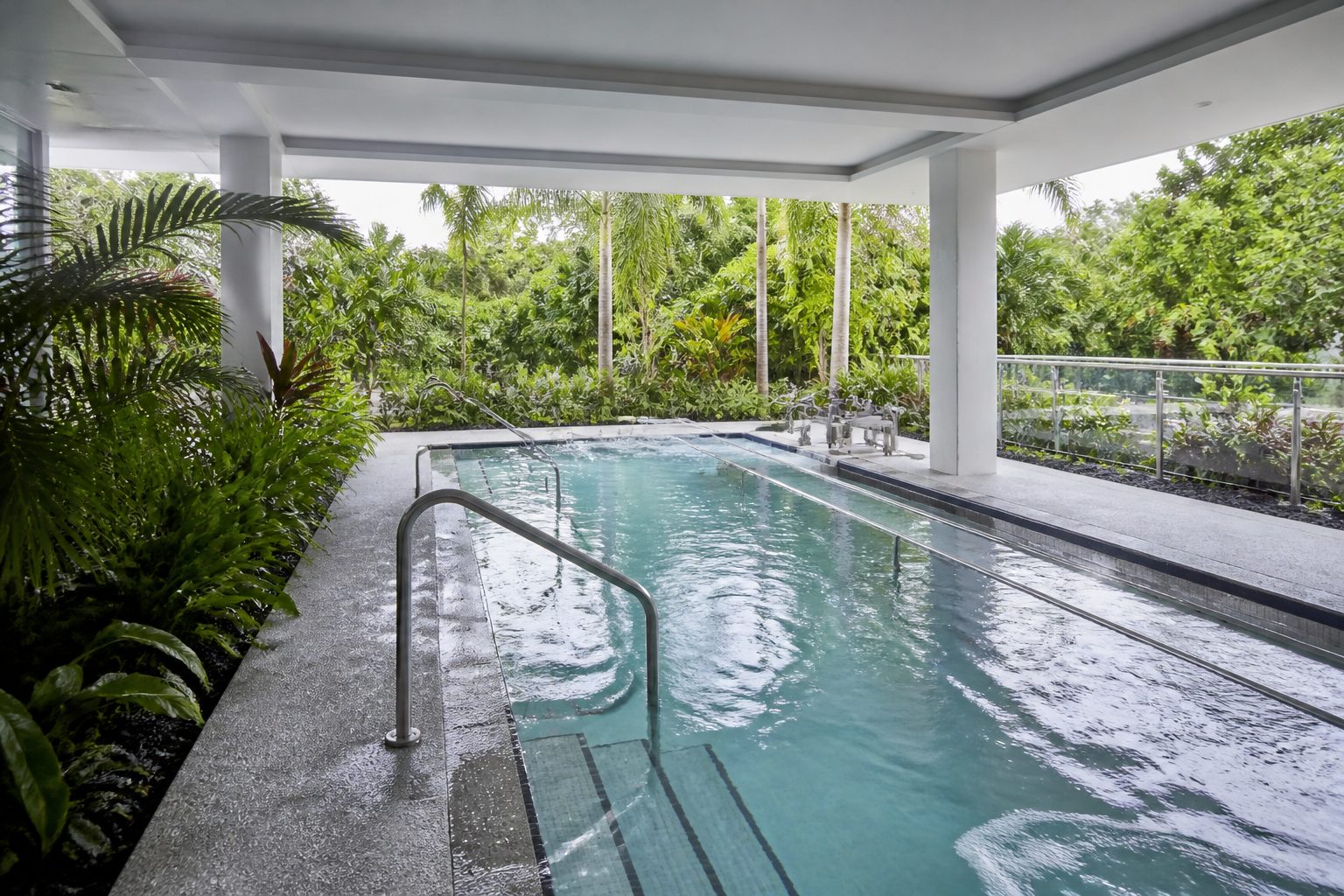
Medical spa packages in Thailand and Bali attract visitors seeking structured wellness and traditional medicine therapies in a relaxing setting. For international patients and wellness travellers, packages typically range from $600 to $6,000 per week, depending on the centre, programme length, and included therapies.
This guide explains what is usually included, cost ranges for popular programmes, differences between Thailand and Bali, and how to compare options. It also covers what drives pricing, what’s not included, and practical tips for planning your wellness trip.
What medical spa packages include in Thailand and Bali
Medical spa and wellness retreat packages in these regions blend traditional healing practices with modern wellness therapies. A typical programme may include daily spa treatments, consultations with physicians or wellness experts, group or private yoga sessions, meditation, and healthy meals. Some centres specialise in Ayurveda, Panchakarma, Traditional Chinese Medicine (TCM), or naturopathy, while others focus on detoxification, anti-ageing, or stress management.
In Thailand, many resorts offer medical spa packages that combine Thai massage, herbal therapies, and sometimes Western medical oversight. Bali’s retreats often emphasise Balinese healing rituals, Ayurveda, and yoga, with strong influences from Indonesian herbal medicine (Jamu) and spiritual traditions. Packages usually cater to stays of 3-21 days, with the most common being 7- or 14-night programmes.
Types of programmes and their focus
The approach and therapies offered vary by centre and country. Here are the main types of medical spa and wellness packages you’ll encounter:
- Ayurveda and Panchakarma: Rooted in Indian medicine, these focus on detoxification, rejuvenation, and balancing the body’s doshas through diet, herbal treatments, oil massages, and cleansing therapies.
- Naturopathy and yoga therapy: Emphasises natural healing, lifestyle modification, plant-based diets, hydrotherapy, and daily yoga or meditation sessions.
- Traditional Chinese Medicine (TCM): Includes acupuncture, herbal medicine, Tui Na massage, and Qigong, often blended with spa treatments.
- Balinese and Thai medical spa: Focuses on indigenous massage, herbal compresses, body scrubs, and hydrotherapy, sometimes with medical consultation.
- Detox and wellness retreats: Programmes may include fasting, colon hydrotherapy, nutritional counselling, and stress reduction techniques.
Most packages are designed for general wellness, stress relief, or detoxification rather than for treating specific medical conditions. However, some centres offer post-illness recovery or chronic condition management (e.g., diabetes, hypertension) under medical supervision.
Cost comparison: Thailand vs. Bali
Thailand and Bali both offer a wide spectrum of pricing, but there are some general patterns. Thailand tends to have a larger number of internationally accredited medical spas and wellness resorts, some with JCI or local Ministry of Health recognition. Bali’s scene is more boutique, with many independent retreats and resorts, but fewer large-scale medical facilities.
In both countries, basic wellness or detox packages start from around $600-$1,200 per week. More comprehensive programmes—such as full Panchakarma, intensive anti-ageing, or integrative medical retreats—can range from $2,000 to $6,000 per week, especially at luxury or internationally branded resorts. The table below shows typical price ranges for week-long packages at reputable centres in each destination.
| Country | Package type | Typical inclusions | 1-week price (USD) |
|---|---|---|---|
| Thailand | Basic wellness/spa | Accommodation, daily massage, yoga, healthy meals | $600-$1,200 (฿22,000-44,000) |
| Thailand | Panchakarma/Ayurveda | Consultations, therapies, herbal meds, meals | $1,800-$3,500 (฿66,000-128,000) |
| Thailand | Medical detox/anti-ageing | Medical check, IV therapy, spa, meals, labs | $2,200-$6,000 (฿81,000-220,000) |
| Bali | Basic wellness/spa | Accommodation, daily spa, yoga, meals | $650-$1,300 (IDR 10-20 million) |
| Bali | Ayurveda/Panchakarma | Consultations, treatments, herbs, meals | $1,500-$3,200 (IDR 23-50 million) |
| Bali | Detox/holistic wellness | Detox therapies, spa, yoga, nutrition | $2,000-$4,500 (IDR 30-70 million) |
What is included in the price
Most medical spa and wellness retreat packages in Thailand and Bali are designed to be as comprehensive as possible, bundling together the core services needed for a transformative experience. At a minimum, packages include accommodation—either in a private room, shared villa, or tranquil bungalow—set in lush gardens or by the sea for maximum relaxation. All guests receive an initial health or wellness consultation, usually with a doctor, naturopath, or experienced wellness specialist, to tailor the programme to individual needs.
- Daily treatments: These typically encompass massages (Thai, Balinese, aromatherapy), body scrubs, hydrotherapy, or traditional medicine sessions, depending on the centre’s focus.
- Fitness and mindfulness classes: Daily yoga, meditation, pilates, or fitness classes are standard, often supplemented by group walks or cultural activities.
- Nutritious meals: All meals are included, with menus often vegetarian, vegan, or tailored to detox and weight management. Some retreats offer cooking classes or nutrition workshops as part of the package.
- Wellness facilities: Unlimited access to on-site amenities such as saunas, steam rooms, swimming pools, and gyms is typically included.
For longer or more intensive stays, expect additional consultations (with specialists in nutrition, physiotherapy, or mental health), advanced therapies like IV infusions, acupuncture, or colon hydrotherapy, and sometimes herbal medicines or supplements. High-end resorts may also provide airport transfers, guided excursions, and health education workshops. Always confirm exactly what’s included, as some premium experiences (private yoga, spa upgrades, or medical diagnostics) are only available at extra cost.
What is not included (hidden and optional costs)
While medical spa packages in Thailand and Bali are typically marketed as all-inclusive, there are several common exclusions and potential hidden costs that can impact your total outlay. The most significant are international flights and travel insurance, which are almost never included in package rates and can vary widely depending on your home country and time of booking. Visa fees are another consideration—most nationalities receive a free 30-day visa on arrival in both countries, but longer stays or certain passports may require a paid visa or extension.
- Medical tests and extra consultations: Packages usually cover a basic health screening, but additional bloodwork, specialty diagnostics, or extra sessions with doctors or therapists are often billed separately.
- Specialised therapies and medications: Advanced treatments (such as IV vitamin infusions, acupuncture, or prescription medications) are typically not included unless specified, and can add hundreds of dollars to your bill.
- Personal expenses: Laundry, souvenirs, off-site meals, and excursions are always out-of-pocket. Even within the retreat, premium amenities (like private pool villas, luxury suites, or one-on-one yoga sessions) require an upgrade fee.
- Deposits and booking changes: Many retreats require a non-refundable deposit to secure your spot, and may charge extra for last-minute changes, cancellations, or early check-outs.
For those with specific health concerns or dietary needs, tailored supervision or custom meal plans may incur surcharges. Always request a full list of exclusions before booking, and read the fine print regarding refunds and additional charges to avoid surprises during your stay.
What drives the price of medical spa programmes
Several factors determine the cost of your medical spa or wellness retreat:
- Location and setting: Seaside, mountain, or jungle resorts with premium facilities cost more.
- Accreditation and medical oversight: Centres with medical doctors, international accreditation, or hospital partnerships are priced at a premium.
- Programme length and intensity: Longer, more intensive, or highly personalised programmes cost more per week.
- Type and number of therapies: Packages with daily multiple treatments, advanced diagnostics, or imported medicines will be more expensive.
- Accommodation standard: Private villas or luxury suites add significantly to the price.
For those seeking affordable options, basic wellness or group packages offer the most value. Luxury, privacy, and medical specialisation drive costs upward.
How to choose the right centre and programme
Choosing a medical spa or wellness retreat involves more than just comparing prices. Here are key considerations:
- Therapeutic focus: Match the centre’s specialty (Ayurveda, TCM, naturopathy) with your health goals.
- Medical oversight: If you have chronic conditions or want medical-grade detox, look for physician supervision and accreditation.
- Credentials and reviews: Check for international accreditation, qualified practitioners, and verified patient feedback.
- Facilities and setting: Decide if you prefer a clinical, resort, or boutique environment.
- Transparency: Ensure the centre provides clear information on what is included, extra costs, and refund policies.
It is wise to contact the centre directly, ask for a sample daily schedule, and request a written cost breakdown. Some international patients also consult their local doctor before booking a medical spa programme abroad.
How to save money safely on your wellness retreat
There are many practical strategies to reduce the cost of a wellness retreat in Thailand or Bali without sacrificing safety or quality. The most effective way is to travel during shoulder or low seasons—typically May to September in Bali and June to October in Thailand—when demand drops and many resorts offer substantial discounts, sometimes up to 30–40% off peak rates. Booking well in advance can unlock early-bird rates, while longer stays (14–21 nights) often come with progressive nightly discounts or complimentary upgrades.
- Opt for shared accommodation or group retreats: Choosing a twin-share room or joining a group programme can significantly reduce per-person costs, especially at mid-range centres.
- Seek out mid-range, accredited centres: While luxury resorts are tempting, many mid-tier retreats in both countries are internationally accredited and offer excellent care and amenities at a fraction of the price.
- Clarify all inclusions: Always ask for a detailed list of what’s covered in your package—some therapies, classes, or consultations may be add-ons that can inflate your final bill. Only book extra treatments if they’re necessary for your goals.
- Look for package deals and promotions: Some retreats offer special packages for couples, friends, or repeat guests, as well as discounts for referrals.
Most importantly, verify the centre’s licensing and staff qualifications. Avoid facilities that make exaggerated health claims, lack experienced medical oversight, or are not transparent about their pricing structure. For intensive detox or medical programmes, ensure there is a qualified doctor or nurse on site. By planning ahead, comparing options, and prioritizing safety, you can enjoy a transformative retreat experience without overspending.
Planning tips for international patients
Travelling to Thailand or Bali for a medical spa retreat requires careful preparation to ensure a smooth and stress-free experience. Start by checking visa requirements: most travellers can enter Thailand or Indonesia visa-free for 30 days, but longer stays may require advance application or an extension. Consult your local embassy websites for the latest updates, as rules can change. Vaccination recommendations for both countries may include hepatitis A and B, typhoid, and routine immunisations; check with a travel clinic several weeks before departure.
- Purchase comprehensive travel and health insurance: Ensure your policy covers not just routine medical care, but also emergency evacuation and any specific treatments you plan to undergo during your retreat.
- Disclose pre-existing conditions: Inform the retreat of any ongoing health issues or medications in advance, so they can tailor the programme and ensure your safety.
- Bring necessary documentation: Carry copies of medical records, prescriptions, and a doctor’s letter if you require ongoing medication or have complex health needs.
- Allow for acclimatisation: Arrive at least a day early to recover from jet lag and adjust to the climate, especially if you’re starting an intensive detox or fitness programme.
- Set realistic expectations: Understand that wellness retreats support recovery and healthy living, but are not substitutes for hospital-level care. If you have serious medical needs, ensure the retreat has medical oversight or is located near a reputable hospital.
Some centres offer airport transfers or local transportation—confirm these details before you travel. If you have dietary restrictions or allergies, communicate them clearly ahead of time. Finally, research local customs and etiquette to make the most of your stay and avoid cultural misunderstandings. Proper planning will help you focus on your wellbeing and fully enjoy your retreat experience abroad.
Bottom line: Is a medical spa retreat in Thailand or Bali worth it?
Medical spa and wellness retreats in Thailand and Bali have become popular for travelers seeking a holistic reset in a tropical paradise, blending traditional healing practices with modern spa therapies and structured wellness programmes. The cost of these experiences varies widely: entry-level packages typically start at around $600–$900 per week for basic, group-oriented stays with standard inclusions. More comprehensive or luxury retreats—especially those offering intensive detox, anti-aging, or medically supervised programmes—can range from $2,000 to over $6,000 per week, depending on the location, reputation, and level of medical oversight.
In Thailand, renowned destinations like Chiang Mai, Phuket, and Koh Samui offer both affordable and high-end options, often integrating Thai massage, herbal medicine, and Buddhist mindfulness practices. Bali’s Ubud and coastal resorts are famous for their serene settings, Balinese healing rituals, and yoga-centric retreats. Concrete cost factors include the type of accommodation (private villa vs. shared room), number and sophistication of included therapies, and the presence of Western-trained medical staff. While most visitors report a high level of satisfaction—citing improvements in stress, sleep, and overall wellbeing—success depends on choosing a reputable, accredited centre and ensuring that the programme matches your health goals and expectations.
Practical steps: Always research the credentials of the retreat and its practitioners, read recent guest reviews, and request a detailed breakdown of all costs and inclusions before booking. If you have ongoing medical needs or chronic conditions, consult with your personal physician before travel, and confirm that the retreat can provide appropriate care and support. Ultimately, the value of a medical spa retreat in Thailand or Bali lies in its unique blend of cultural wellness traditions, professional care, and the opportunity to focus on your health in a beautiful, restorative environment.
Frequently asked questions
How long should I stay at a medical spa or wellness retreat?
Most programmes are designed for 7-14 days, but shorter (3-5 days) and longer (21+ days) options are available. The ideal duration depends on your goals—detox and Panchakarma generally require at least a week, while stress-relief or relaxation packages can be shorter.
Can I claim insurance for medical spa or wellness retreat costs?
Most health insurers do not cover spa or wellness retreats unless they are medically necessary and provided by accredited hospitals. Always check with your insurer in advance and ask the retreat for documentation if you are seeking reimbursement.
Are these programmes suitable for people with chronic illnesses?
Some retreats can tailor programmes for guests with chronic conditions, but not all are equipped for medical care. If you have significant health issues, choose a centre with medical supervision and inform them of your needs beforehand.
What languages are spoken at these centres?
English is widely spoken at most international wellness resorts in Thailand and Bali. Staff may also speak local languages (Thai, Balinese, Indonesian) and sometimes Mandarin, Russian, or Japanese at larger resorts.
Do I need to stop my regular medications during a retreat?
No, you should not stop any prescribed medication without consulting your own doctor. Inform the spa or retreat of your medications, and bring enough supply for your stay. High-quality centres will respect your ongoing medical needs.
Related guides
Disclaimer: Prices listed are indicative and can vary by individual case, centre, and season. Always request a written quote and consult a qualified doctor before booking a medical spa or wellness programme abroad.