
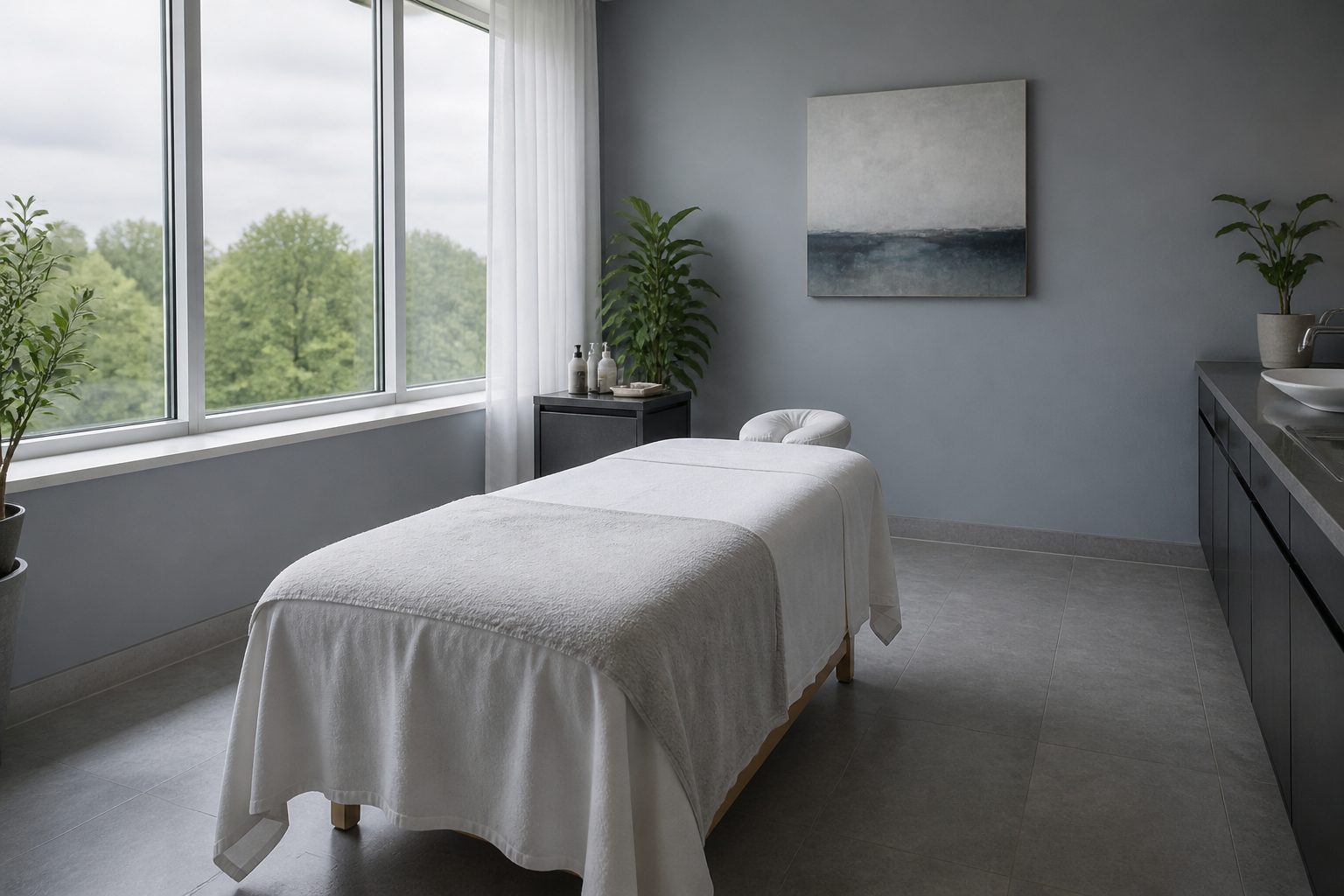
This guide is for anyone comparing the costs of medical spa programmes, Ayurveda hospitals, Panchakarma, naturopathy, yoga therapy centres, Unani, Traditional Chinese Medicine, and wellness retreats in Europe, the UAE, and the USA. Prices can range from $150 for a simple day pass to over $8,000 per week for intensive, physician-led programmes at destination resorts.
Programme costs depend on the treatment approach, level of medical supervision, location, and amenities. Below you’ll find a detailed breakdown of typical inclusions, exclusions, pricing, and practical tips to help you plan and budget for your wellness journey.
What is included in a medical spa or wellness programme?
The term “medical spa” covers a wide spectrum, from luxury resorts with limited medical oversight to hospitals specialising in traditional medicine systems. Programme inclusions vary widely, but most reputable centres offer:
- Initial medical or wellness assessment (by a doctor, naturopath, or therapist)
- Personalised treatment plan (may include Ayurveda, Panchakarma, TCM, hydrotherapy, or modern spa therapies)
- Daily treatments (e.g. massages, herbal therapies, yoga, acupuncture, physiotherapy)
- Accommodation (ranging from basic rooms to luxury suites)
- All meals (often tailored to the treatment regimen)
- Access to fitness, yoga, meditation, or wellness classes
- Some diagnostic tests (in medical-led centres)
Higher-end or hospital-based programmes may also include consultations with multiple specialists, advanced diagnostics, and continuous monitoring. Always check the daily schedule and inclusions before booking.
What is not included: exclusions and extra charges
When reviewing medical spa programme costs, it’s crucial to understand that the quoted package prices often do not reflect the total amount you’ll spend. Across Europe, the UAE, and the USA, many centres advertise attractive base rates but exclude several key components that can significantly increase your final bill. Typical exclusions to be aware of include:
- Flights and airport transfers: Travel to and from the destination is almost never included, and airport pick-up or drop-off can cost anywhere from €50 to over €200 depending on the country and distance.
- Specialised medical consultations or additional lab tests: Initial screening or extra diagnostic tests (e.g., hormone panels, advanced imaging) are often billed separately and can range from €100 to €500 per test, especially in Western Europe and the USA.
- Medications or herbal remedies to take home: While in-resort treatments are covered, take-home prescriptions, herbal blends, or supplements are typically extra, with prices varying widely by country and product type.
- Personalised supplements or advanced therapies: High-end interventions like IV vitamin drips, PRP, or stem cell treatments are rarely included in standard packages and can cost several hundred to thousands of euros or dollars.
- Extra treatments or spa services: Massages, facials, or body treatments outside your scheduled plan are usually charged à la carte. In luxury resorts, these extras can quickly add up.
- Insurance: Coverage for medical complications, travel interruptions, or cancellations is almost always your responsibility to arrange and pay for separately.
In some countries, such as Switzerland and the UAE, local taxes (VAT) and service charges can be significant and may only be added at checkout. It’s essential to request a detailed, written quote that clearly lists what is and isn’t included in your programme. Ask specifically about optional add-ons, as many centres offer tempting upgrades—like private yoga sessions, gourmet meal plans, or cosmetic procedures—that are not part of the standard fee. If you’re considering a centre in a tourist hotspot or luxury resort, be prepared for higher extra charges. Always clarify all costs before booking to avoid surprises and ensure you can budget accurately for your entire stay.
Cost comparison: Europe, UAE, and the USA
Programme costs vary dramatically by country, type of centre, and treatment approach. Here is an overview of typical ranges for a one-week programme at mid- to high-end facilities:
| Country/Region | Programme Type | Typical 1-week Cost (USD) | Notable Inclusions |
|---|---|---|---|
| Germany (Europe) | Medical spa, naturopathy, fasting clinics | $2,000-$7,000 (€1,850-6,500) | Full board, doctor consult, diagnostics, daily therapies |
| Switzerland (Europe) | Medical spa, wellness retreat | $4,000-$12,000 (CHF 3,600-10,800) | Luxury accommodation, comprehensive diagnostics, treatments |
| Austria (Europe) | F.X. Mayr, Ayurveda, detox | $2,200-$8,000 (€2,000-7,300) | Special diets, doctor assessment, daily therapies |
| Hungary (Europe) | Thermal spa, balneotherapy | $800-$2,500 (€740-2,300) | Thermal baths, massage, standard accommodation |
| UAE (Dubai, Abu Dhabi) | Medical spa, wellness retreat | $1,800-$6,500 (AED 6,600-24,000) | Accommodation, spa therapies, some medical oversight |
| USA | Integrative medicine, wellness retreat | $2,000-$8,500 | Room, meals, therapies, some medical consults |
| USA | Ayurveda, Panchakarma, yoga therapy | $1,500-$5,000 | Full board, daily therapies, yoga, assessment |
| Europe (Spain, Portugal) | Wellness spa, TCM, yoga retreat | $1,200-$4,500 (€1,100-4,100) | Accommodation, therapies, healthy meals |
Budget options (hostels, group retreats, day programmes) can be much cheaper, while luxury and celebrity-focused destinations may cost far more.
Ayurveda hospitals and Panchakarma retreats: what to expect
Ayurveda centres in Europe and the USA typically offer residential Panchakarma (detox) or preventive health programmes. These often include an initial assessment by an Ayurvedic doctor, a personalised plan, daily oil massages (Abhyanga), steam therapies, herbal medications, yoga, and meditation. Programmes usually last 7-21 days; a week is common for international guests.
Inclusions often cover accommodation, meals, daily therapies, and doctor check-ins. In Europe (Germany, Austria, Switzerland), prices range from $2,200 to $8,000 per week, reflecting higher labour and facility costs. In the USA, Ayurveda programmes are usually $1,500-$5,000 per week, with basic clinics on the lower end and full-service resorts at the top.
Some insurance plans in Europe may cover doctor consultations but rarely the full cost. In both regions, expect to pay out of pocket for medicines or follow-up care after your stay.
Naturopathy, Unani, and Traditional Chinese Medicine centres
Naturopathy and TCM clinics in Europe and the USA blend traditional therapies with modern diagnostics. Programmes often begin with a physician or naturopath assessment, followed by a tailored schedule of treatments like hydrotherapy, herbal medicine, acupuncture, cupping, dietary therapy, and lifestyle counselling. Unani medicine is less widely available but offered at select centres, especially in multicultural cities.
Costs for a 7-day programme typically range from $1,200 to $7,000, depending on the degree of medical oversight and the centre’s reputation. Luxury TCM and integrative clinics in Switzerland, Germany, or the USA can be much more expensive if advanced diagnostics or high-end amenities are included. Programmes may be marketed for stress reduction, chronic pain, or preventive health, but strong evidence for specific cures is limited.
Always ensure the centre is licensed and practitioners are qualified. Ask for details on language support and international patient services if you are travelling from abroad.
Medical spa resorts: Europe, UAE, and USA
Medical spa resorts across Europe, the UAE, and the USA offer a diverse range of programmes, facilities, and pricing—reflecting not just local health philosophies but also the cost of living and regulatory environment in each region.
Europe
Europe is home to some of the world’s most established medical spas, especially in countries like Germany, Austria, Switzerland, Hungary, and Spain. Here, you’ll find everything from historic bathhouses with centuries-old healing traditions to ultra-modern resorts equipped with the latest diagnostics and therapies. Typical programmes include detoxification, weight loss, anti-ageing, stress management, and chronic disease prevention. Many European spas feature physician-led assessments, and in countries like Germany and Switzerland, strict regulatory standards ensure high levels of medical oversight. Costs vary widely: Hungary and Portugal offer excellent value, while Switzerland and Austria tend to be pricier due to higher operating costs and luxury amenities.
UAE
In the UAE, medical spa resorts cater to an affluent, international clientele. Facilities are often luxurious, with state-of-the-art wellness centres, gourmet cuisine, and a blend of modern spa therapies and traditional medicine (such as Ayurveda or TCM). While some centres have on-site doctors or medical directors, others focus more on wellness and relaxation, so it’s important to verify the level of medical supervision. Prices in the UAE are generally high, especially in Dubai and Abu Dhabi, reflecting both the luxury market and the cost of imported health products and international staff.
USA
The USA offers a wide spectrum of medical spa experiences, from integrative health clinics attached to hospitals to exclusive destination wellness retreats. Programmes often combine Western medicine, naturopathy, fitness, nutrition, and spa therapies. Regulation is strict, especially for centres offering medical-grade treatments. Prices are highest in major cities (like New York or Los Angeles) and at luxury resorts, where week-long stays can cost several thousand dollars. However, mid-range options exist in less touristic areas or smaller clinics, often with a focus on preventative care and lifestyle medicine.
Wherever you choose, research the centre’s reputation, medical oversight, and transparency of pricing to ensure a safe, effective, and good-value experience.
How to compare centres and choose the right programme
Choosing the best medical spa centre and programme for your needs requires careful research and comparison, as costs and quality can vary dramatically between countries and individual facilities. Here are the most important factors to consider when making your decision:
- Specialist expertise: Assess whether the centre specialises in your target therapy—such as Panchakarma (Ayurvedic detox), Traditional Chinese Medicine (TCM), naturopathy, or medical weight loss. In Germany and Austria, for example, many spas are renowned for metabolic or fasting programmes, while the UAE may excel in luxury wellness and anti-ageing therapies.
- Medical oversight: Confirm that you will be assessed and monitored by a qualified healthcare professional. In the USA and Western Europe, medical spa regulations are stricter, often requiring a physician’s presence for certain treatments. In the UAE and Southern Europe, oversight may be less regulated, so always check staff credentials.
- Accreditations: Look for evidence of national or international certifications, such as Joint Commission International (JCI) accreditation or approvals from local health authorities. These indicate adherence to strict safety and quality standards.
- Programme structure: Examine the daily schedule, treatment inclusions, and balance of medical and wellness therapies. Some centres offer intensive detox regimens, while others focus on relaxation and gradual lifestyle change. Ask for a sample itinerary to understand what your days will look like.
- Language and international services: Especially important if you’re travelling abroad—confirm that the centre offers services in your preferred language and provides support for international guests, such as visa assistance, airport transfers, or translation services.
- Transparency: Request a comprehensive, written quote that details all inclusions, exclusions, and potential extra charges. Reputable centres will not hesitate to provide this information and can share staff credentials, sample menus, and even testimonials from previous clients.
Be wary of facilities that make exaggerated claims about cures, especially for chronic or serious conditions, or those that lack clear medical supervision for intensive treatments. In countries where regulations are less strict, such as some parts of Southern Europe or the UAE, extra diligence is needed. Compare not only the price but also the quality of care, safety standards, and your comfort with the staff and environment. Ultimately, the right programme balances your health goals, budget, and peace of mind.
Hidden costs and how to save safely
Even after reviewing the official package price, medical spa guests often encounter hidden costs that can substantially raise the total expense of their wellness trip. Some of the most frequent hidden costs include:
- Airport transfers: While some European or UAE resorts offer complimentary shuttles, many charge extra—and fees can be high, especially for private transfers or long distances from major airports.
- Extra diagnostics and lab work: If your initial assessment reveals the need for further tests, these are typically billed separately. In the USA and Western Europe, advanced diagnostics can be particularly expensive.
- Supplements and take-home remedies: Personalised vitamins, herbal blends, or detox kits recommended by spa doctors are rarely included and can be a significant, recurring cost.
- Additional therapies: Want to try an extra massage, acupuncture session, or beauty treatment? These are almost always charged à la carte, with luxury resorts in the UAE and major US cities charging premium rates.
- Taxes and service charges: In many European countries, VAT (Value Added Tax) of 10–20% may be added at checkout. In the UAE, a tourism fee or service charge is often tacked on.
- Tips and gratuities: While tipping is less common in Europe, luxury resorts in the USA and the UAE may expect gratuities, often automatically added to your bill.
To save money without compromising safety or quality, consider these practical strategies:
- Travel during off-peak seasons: Prices drop significantly outside of high season (e.g., avoid spring and autumn in Europe, and winter in the UAE).
- Book as a group: Many centres offer group discounts or family packages, which can lower per-person costs.
- Choose less expensive destinations: Countries like Hungary, Portugal, or the Czech Republic often offer similar quality programmes at a fraction of the price you’d pay in Switzerland, the UAE, or the USA.
- Opt for standard accommodations: Forgoing luxury suites or private villas can yield substantial savings—focus your budget on essential therapies instead.
- Ask about special offers: Early booking, last-minute deals, or package upgrades may be available if you inquire directly.
However, never cut corners on medical supervision, staff qualifications, or hygiene standards. For chronic health issues, coordinate with your primary care provider before booking and ensure the centre is equipped to handle your needs. Always request a full, itemised quote and clarify all possible add-ons before confirming your reservation. This proactive approach helps you avoid unpleasant surprises and ensures a safe, cost-effective wellness experience.
Planning your trip: practical tips
Proper preparation is key to a smooth and cost-effective medical spa experience, especially when travelling internationally. Begin by booking your programme well in advance—popular centres in Europe (notably in Germany, Austria, and Switzerland) fill up quickly during spring and autumn, while the UAE’s peak season is winter. Early reservations can also secure better rates and give you more choice in room type and treatment schedule.
Before booking flights, check the visa requirements for your destination country. Some medical spas, especially in the UAE and Switzerland, offer visa support or can provide documentation for medical travel visas. It’s also essential to arrange comprehensive travel insurance that covers both cancellations and potential medical emergencies, as neither is typically included in your spa package.
If you have existing health concerns or chronic conditions, contact the centre in advance to discuss your suitability for specific treatments and to send your medical history. Many European and American spas require recent health records or test results before confirming your booking. Bring copies of prescriptions, allergy information, and any relevant lab results with you.
Pack with the climate and your programme in mind: comfortable, loose-fitting clothing is usually recommended, and you may need swimwear, walking shoes, or workout attire. Consider any specific items required for your treatments (such as compression stockings or personal medical devices). In the UAE, modest clothing may be expected in shared spaces.
On arrival, allow yourself at least a day to adjust to the local time zone and settle into the centre’s routine. Most medical spa programmes, especially intensive detox or Panchakarma regimens, recommend limiting outside excursions to maximise results and avoid disrupting your schedule. If language may be a barrier, ask in advance about translation services or multilingual staff to ensure clear communication during your stay. Following these steps will help you avoid unnecessary expenses and ensure a safe, restorative experience.
Frequently asked questions
How long should I stay at a medical spa or wellness retreat?
Most programmes run for 7 to 14 days, with some intensive Ayurveda or Panchakarma treatments requiring 14-21 days for full benefit. Shorter stays are available for relaxation or introductory experiences, but deeper therapies may require a longer commitment. Always consult with the centre about the recommended duration for your goals.
Are wellness retreat costs covered by insurance?
Generally, insurance does not cover wellness retreats, medical spa stays, or traditional medicine programmes unless prescribed by a doctor and provided in a licensed hospital. Some European insurers may reimburse physician consultations or certain therapies. Always check with your insurer and request documentation from the centre if you hope to claim any portion.
Is it safe to travel for Panchakarma or intensive detox?
When performed at a reputable, medically supervised centre, Panchakarma and other detox therapies are generally safe for healthy adults. However, those with chronic illnesses, recent surgery, or complex medical needs should consult their primary doctor and disclose all conditions to the retreat in advance. Avoid centres without qualified staff or proper medical backup.
What is the difference between a medical spa and a wellness retreat?
Medical spas usually have some level of medical oversight (doctors, diagnostics, regulated therapies), while wellness retreats focus more on lifestyle, relaxation, and holistic health with limited or no medical supervision. Some centres combine both approaches. Always clarify the credentials of staff and the type of care you will receive.
Can I bring a companion or family member?
Most centres welcome companions, though costs vary depending on whether they participate in therapies or just share accommodation. Some offer separate programmes for children or partners. Ask about companion rates and whether the centre provides family-friendly amenities or activities.
Related guides
Disclaimer: Prices in this guide are indicative and vary by patient, programme, and hospital. Always request a personalised, written quote and consult a qualified doctor before booking any wellness or medical spa programme.