
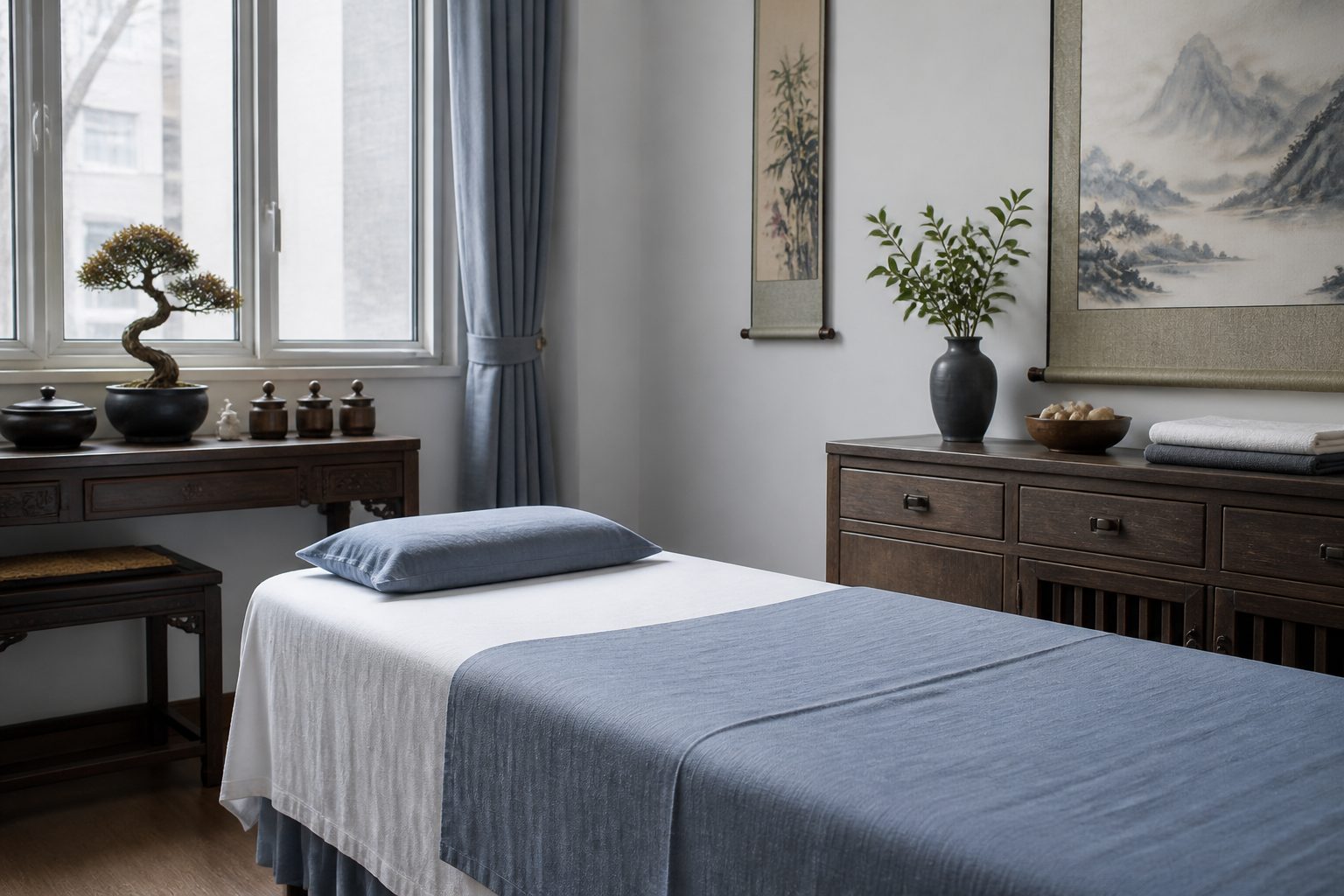
Patients seeking acupuncture in China, the USA, or the Philippines can expect wide differences in cost, clinic setting, and what’s included in a session. Most sessions last 30–60 minutes and costs typically range from $10–$45 in China, $70–$150 in the USA, and $12–$40 in the Philippines. Prices depend on factors like clinic location, practitioner qualifications, and whether the clinic caters to locals or medical tourists.
This guide is for anyone comparing acupuncture for wellness, chronic conditions, or as part of a broader traditional medicine programme. Below, we explain what to expect in each country, what’s usually included, common add-ons, and how to avoid hidden costs.
What is included in an acupuncture session?
A standard acupuncture session typically encompasses several core components, but the specific inclusions can vary depending on the country, the type of clinic, and whether it is your first or a follow-up visit. Understanding what to expect will help you better prepare and assess value for money.
Most sessions begin with an initial assessment. This involves a discussion of your health history, current symptoms, and treatment goals. In China, practitioners often perform traditional diagnostics such as tongue and pulse examination, which are also common in the Philippines and some USA clinics with TCM-trained staff. The initial consultation is usually longer—typically 45 to 60 minutes—and may be priced higher than subsequent visits.
The core of the session is the needle placement. The practitioner selects specific acupuncture points based on your diagnosis and inserts fine, sterile needles. The needles generally remain in place for 20 to 40 minutes while you rest. In China, it is common for this phase to be accompanied by related techniques such as cupping (using suction cups to stimulate circulation), moxibustion (burning herbal sticks near the skin for warmth), or tuina (Chinese therapeutic massage). In public hospitals, some of these add-ons may be included in the base price, while private clinics—especially in the USA and the Philippines—usually charge separately for each additional therapy.
After the session, practitioners may provide lifestyle or dietary advice, and in some cases, recommend a course of herbal medicine (billed separately). Some clinics and hospitals, particularly in China and the Philippines, offer bundled packages for multiple sessions at a discounted rate, which can be cost-effective for chronic or ongoing conditions. Always ask for a clear explanation of what is included in your session and whether any recommended therapies or follow-up care will incur additional charges.
Cost comparison: China, USA, and the Philippines
Acupuncture is widely available in all three countries, but the cost structure and clinic types differ. The table below summarizes typical prices and what is usually included in each setting.
| Country | Typical session cost | Initial consultation fee | Common inclusions | Frequent extra charges |
|---|---|---|---|---|
| China | $10–$45 (¥70–¥320) | $15–$50 (¥110–¥350) | Assessment, acupuncture, sometimes cupping or moxibustion | Herbal prescriptions, massage, advanced diagnostics |
| USA | $70–$150 | $90–$200 | Assessment, acupuncture | Cupping, moxibustion, herbal consult, insurance processing |
| Philippines | $12–$40 (₱700–₱2,300) | $15–$50 (₱900–₱2,900) | Assessment, acupuncture | Cupping, herbal consult, wellness add-ons |
What drives the price of acupuncture?
Several factors affect acupuncture session costs:
- Clinic type: Hospital-based TCM clinics and wellness resorts often charge more than small local clinics. Luxury medical spas may include extra services and amenities.
- Practitioner qualifications: Highly experienced, internationally certified, or English-speaking practitioners generally charge higher fees, especially in the USA and large Chinese cities.
- Location: Clinics in major cities or tourist areas usually cost more than those in smaller towns. In China, government hospitals are often less expensive than private wellness centres.
- Session duration and complexity: Longer or more complex sessions (e.g., combined with other therapies) cost more. Initial consultations are typically longer and pricier.
- International patient services: Facilities that cater to medical tourists may include translation, airport transfers, and custom packages, which can add to the overall cost.
China: Traditional Chinese Medicine hospitals and wellness centres
China is the birthplace of acupuncture, and it is widely practiced in both public hospitals and private wellness centres. Public TCM hospitals usually offer the lowest prices, especially for local residents, but international patients can also access these services. Private clinics and medical spas, especially in cities like Beijing, Shanghai, and Guangzhou, cater to both locals and foreigners, often providing English-speaking staff and more comfortable facilities.
In a typical session, patients undergo an initial assessment by a licensed TCM doctor, followed by acupuncture and possibly related treatments such as cupping or moxibustion. Some hospitals offer integrated packages that combine acupuncture with herbal medicine, tuina massage, or dietary advice. The lowest prices are found at community clinics and university-affiliated TCM hospitals, while high-end wellness resorts charge premium rates but may include additional amenities.
USA: Licensed acupuncturists in clinics and wellness settings
Acupuncture is a licensed healthcare profession in most US states. Practitioners must complete an accredited program and pass national or state board exams. Acupuncture is offered in a variety of settings, including solo practices, group clinics, integrative medicine centres, and luxury wellness spas. Insurance coverage for acupuncture is increasing, but most patients pay out of pocket unless they have a qualifying health plan.
Session fees are highest in large cities and coastal states. Some clinics offer community-style acupuncture, where patients are treated in a shared space at lower cost (as little as $30–$50 per session). Private rooms and extended consultations increase the price. Add-ons like cupping, herbal consultations, or moxibustion are usually charged separately. Many US clinics offer package pricing or discounts for multiple sessions paid in advance.
Philippines: Acupuncture in hospitals, clinics, and wellness resorts
In the Philippines, acupuncture is available in a variety of settings, each offering distinct advantages and cost structures. Public and private hospitals in major cities such as Manila, Cebu, and Davao often have integrative medicine or rehabilitation departments where acupuncture is performed by licensed physicians or practitioners with formal TCM qualifications. These hospital-based services tend to be more affordable than private wellness centers, though prices are still higher than in China’s public sector.
Private clinics and specialized wellness centers cater to both local and international clients. Many practitioners are trained in China or have international certifications, and English is widely spoken—making communication easy for foreign patients. These clinics may offer additional therapies such as tuina massage, cupping, or moxibustion, sometimes bundled into treatment packages. The cost per session is typically higher in private clinics than in hospitals, but still lower than equivalent services in the USA.
Wellness resorts and medical spas in the Philippines offer acupuncture as part of broader health and relaxation programmes. These settings are popular among expatriates and medical tourists seeking stress relief, chronic pain management, detoxification, or holistic wellness. While the per-session cost is higher—reflecting the luxurious setting, personalized service, and inclusion of other therapies such as massage, yoga, or nutritional counseling—patients benefit from a more comfortable and private environment.
Regardless of the setting, it is important to verify the credentials of your practitioner and confirm what is included in the quoted price. Some clinics offer package deals for multiple sessions or combined therapies, which can provide better value. If you are traveling from abroad, inquire about language support, payment options, and any additional fees for international patients. Overall, the Philippines offers a balance of quality care, English-speaking staff, and moderate pricing, making it an appealing destination for acupuncture treatment.
What is not included in the price?
The base fee for an acupuncture session often covers only the needle treatment itself, and there are several important exclusions to be aware of when planning your budget—these can vary by country and clinic type. Understanding these potential extra costs will help you avoid surprises and ensure you receive comprehensive care.
- Herbal medicine prescriptions: In China, it is common for acupuncturists to recommend traditional herbal remedies alongside acupuncture. These are almost always billed separately, with costs determined by the complexity of the prescription, the rarity of the herbs, and the duration of treatment. In the Philippines, herbal medicine is also frequently suggested, especially in clinics run by TCM-trained doctors, and is priced per formula or per week. In the USA, herbal prescriptions are less common but still possible in integrative clinics, with prices varying widely.
- Additional therapies: Many acupuncture clinics offer related TCM modalities such as cupping, moxibustion (heat therapy), tuina massage, and electroacupuncture. In China, some public hospitals may include these in the session fee, but private clinics and most international settings (including the USA and the Philippines) typically charge extra. The cost per add-on can range from a few dollars in China to $20–$50 or more per therapy in the USA.
- Medical diagnostics: Acupuncturists may suggest blood tests, imaging (like X-rays), or other diagnostic procedures to better understand your health status. These are not included in the acupuncture session price and are usually available only in hospital-based or integrative medicine clinics. Fees for diagnostics depend on the type of test and the country’s healthcare pricing norms.
- Translation or international patient services: Especially relevant for travelers, some clinics—particularly in China—charge additional fees for English-speaking staff, translation services, or international patient assistance such as airport transfers or help with local travel arrangements.
Before booking, always ask for a detailed breakdown of what is and isn’t included in the session cost, and clarify the prices for any recommended extras. This is particularly important if you are seeking treatment as a foreigner or in a private clinic where pricing may be less transparent.
Hidden costs and how to save safely
When budgeting for acupuncture abroad, consider the following potential hidden costs:
- Multiple sessions: Many conditions require a course of 5–10 sessions or more. Ask about package discounts or bundled wellness programmes.
- Travel and accommodation: Especially relevant if you are visiting a wellness resort or a hospital in another country. Some facilities offer accommodation and meals in their packages.
- Prescription costs: Herbal medicines or supplements recommended as part of your TCM treatment plan are billed separately and can add $10–$50 per week or more.
- Insurance: In the USA, check if your health plan covers acupuncture. In China and the Philippines, international insurance is rarely accepted for acupuncture alone.
To save safely:
- Look for reputable clinics with transparent pricing and clear inclusions/exclusions.
- Ask about package rates for multiple sessions.
- Consider community acupuncture clinics in the USA for lower costs.
- In China, university hospitals are usually reliable and affordable.
How to choose a reputable acupuncture provider
Quality and safety depend on finding a properly trained practitioner and a well-run clinic. Look for the following:
- Licensing and credentials: In the USA, acupuncturists should be state-licensed and/or nationally certified (NCCAOM). In China, TCM doctors are licensed by local health authorities. In the Philippines, look for physicians or therapists with formal TCM training.
- Clinic hygiene: Clean treatment rooms, single-use sterile needles, and proper disposal procedures are essential for safety.
- Accreditation: Some hospitals and clinics in China and the Philippines are accredited by national or international bodies (such as JCI or local equivalents).
- Experience with international patients: Clinics that serve overseas visitors often have English-speaking staff and are familiar with the needs of medical travelers.
- Transparent pricing: Reputable providers will give a clear breakdown of costs before you start treatment.
Planning your acupuncture programme
To maximize the benefits of acupuncture, especially if you are seeking treatment abroad, it is essential to plan your programme carefully and consider both medical and logistical factors. Taking a systematic approach will help you achieve better results and avoid unexpected costs or delays.
- Initial assessment: Schedule a comprehensive consultation with your chosen practitioner. Bring any relevant medical records, test results, or a summary of your medical history. This allows the practitioner to tailor the treatment to your specific needs and identify any contraindications.
- Treatment plan: Ask the practitioner how many sessions are typically recommended for your condition and whether other therapies (like herbal medicine, cupping, or massage) are suggested. In China, a typical course might involve 10–20 sessions, while in the USA and the Philippines, shorter or more flexible plans are common. Confirm whether package deals are available, as these can lower the per-session cost.
- Language and communication: If you are not fluent in the local language, ensure that English-speaking staff are available or arrange for a professional translator. In the Philippines, English is widely spoken, but in China, language barriers may exist outside major cities or international hospitals.
- Travel logistics: Consider the clinic’s location relative to your accommodation and how you will get there. In large cities, traffic and public transport options may influence your schedule. If you require daily or frequent sessions, staying near the clinic can save time and reduce stress.
- Post-treatment follow-up: Ask about recommended follow-up care, especially if you will be returning home before completing the full treatment plan. Some clinics may provide written reports or coordinate with your local healthcare provider. Consider how you will continue care or manage any ongoing therapies, such as herbal medicine, after you leave.
By addressing these factors in advance, you can ensure a smoother, more effective acupuncture experience and make informed decisions about your health investment.
Bottom line: Comparing acupuncture session costs
When comparing acupuncture session costs between China, the USA, and the Philippines, several concrete factors come into play that significantly affect the final price you pay. In China, acupuncture is deeply integrated into the public healthcare system, with public Traditional Chinese Medicine (TCM) hospitals offering the most affordable rates—often as low as a few dollars per session for local residents. Foreigners may pay slightly more, but rates remain accessible, especially at government-run facilities. Private TCM clinics in China charge more, but still tend to be less expensive than equivalent services abroad.
In the USA, acupuncture is generally considered a complementary or alternative therapy and is rarely covered by basic health insurance plans. This drives up out-of-pocket costs, especially at private clinics, wellness spas, or integrative medical centers in major cities. Prices per session can range from $60 to over $150, with initial consultations typically costing more. Factors such as practitioner experience, clinic location (urban vs. rural), and whether the clinic offers specialized treatments (e.g., cosmetic acupuncture) can further impact pricing.
The Philippines offers a middle ground, with session costs typically lower than in the USA but higher than China’s public sector. Urban centers like Manila, Cebu, and Davao have a growing number of clinics and hospitals with English-speaking practitioners. Costs are influenced by the type of facility (hospital vs. wellness spa), practitioner credentials, and whether additional therapies are included.
For all countries, always verify the details of what is included in the quoted fee—some clinics may charge separately for initial assessments, herbal medicine, or adjunct therapies. If you are traveling for acupuncture, remember to budget for accommodation, local transport, and any recommended herbal remedies or follow-up visits, as these can add significantly to your overall expenses. Prioritize treatment from licensed, experienced providers to ensure both safety and efficacy.
Frequently asked questions
How many acupuncture sessions do I need?
The number of sessions depends on your condition. Acute issues may improve after 1–3 treatments, while chronic problems often need 6–12 sessions. Your practitioner will advise based on your health goals and response.
Are acupuncture needles reused?
No. Reputable clinics use sterile, single-use needles for each patient. This is standard practice in China, the USA, and the Philippines, and is essential for safety and infection control.
Does insurance cover acupuncture?
In the USA, some health plans cover acupuncture for certain conditions. In China and the Philippines, insurance rarely covers acupuncture for international patients. Always check with your provider before starting treatment.
Can I combine acupuncture with other traditional therapies?
Yes, many clinics offer packages that include acupuncture, herbal medicine, massage, or other therapies. These may be bundled at a discount or charged separately. Ask for a detailed quote before starting a programme.
What should I expect during my first session?
Your first session usually includes a health assessment, discussion of symptoms, and a treatment plan. The acupuncture itself lasts 20–40 minutes. You may feel a mild ache or tingling at needle sites, but most people find it relaxing.
Related guides
Disclaimer: Prices and inclusions in this article are indicative only and vary by clinic, practitioner, and individual patient needs. Always obtain a written quote and consult a qualified doctor or licensed practitioner before starting any treatment programme.