
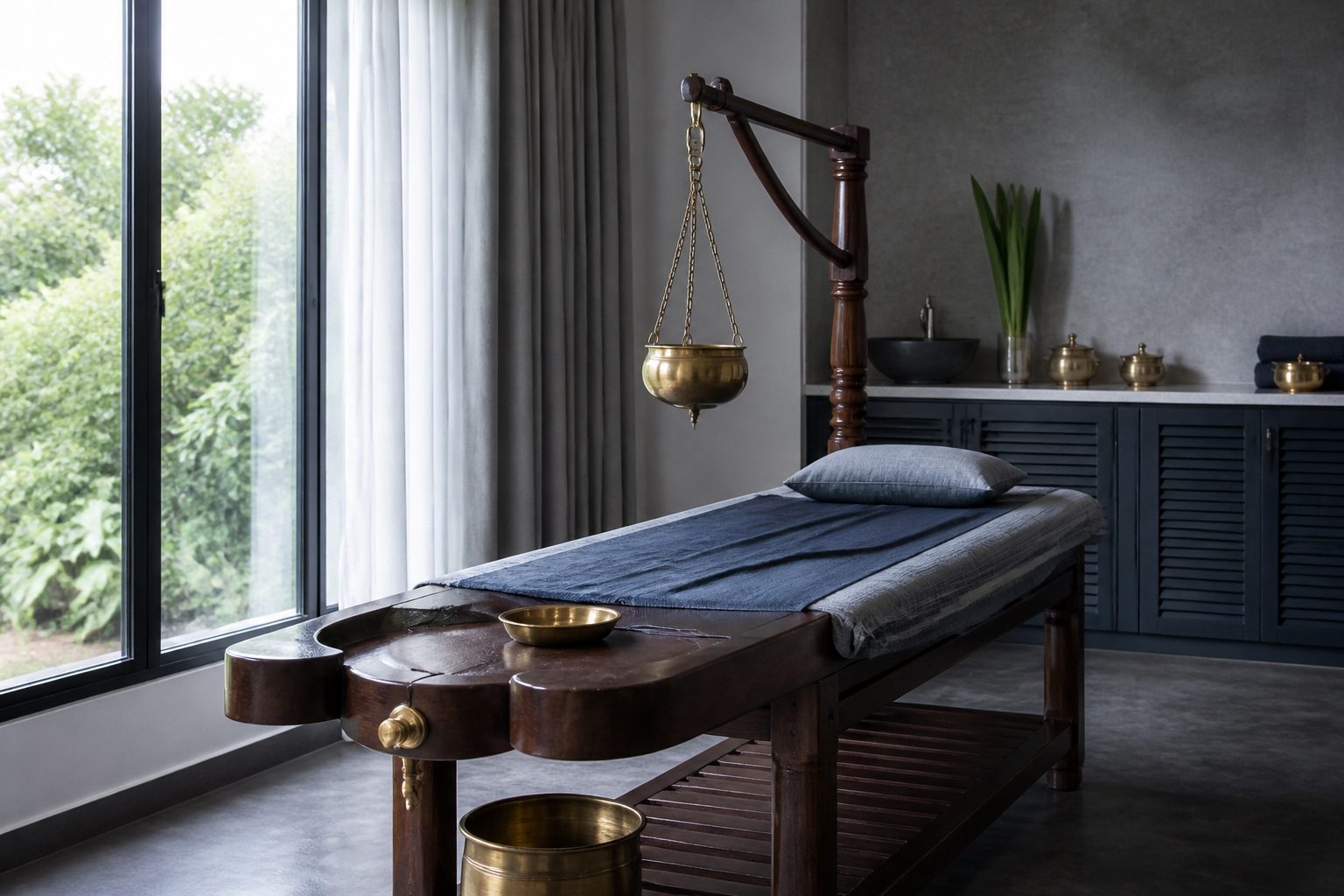
Panchakarma is a traditional Ayurvedic detoxification programme combining therapies, diet, and rest. If you’re considering Panchakarma for health or wellness, costs and inclusions can vary widely depending on the country, centre, and length of stay.
This guide compares Panchakarma treatment prices in India, Sri Lanka, and Europe. We explain what’s usually included, extra charges to expect, and how to choose a safe, reputable programme.
What is Panchakarma and who is it for?
Panchakarma is a cornerstone of classical Ayurvedic medicine, representing a comprehensive detoxification and rejuvenation process that aims to eliminate accumulated toxins (ama), balance the body’s three doshas (Vata, Pitta, and Kapha), and restore optimal health. This intensive therapy is traditionally tailored to the individual’s constitution, current health status, and specific imbalances. Standard Panchakarma programmes are structured over 7, 14, or 21 days, with longer durations considered more thorough for chronic conditions. Treatments typically involve several stages: preparatory procedures (such as oil massage and steam therapy), main cleansing techniques (like therapeutic vomiting, purgation, enemas, nasal cleansing, and bloodletting), and post-treatment rejuvenation with diet and herbal supplements.
Panchakarma is suitable for a wide range of individuals. People with chronic ailments such as arthritis, digestive disorders, skin diseases, and respiratory issues often seek it for relief and management. It’s also popular among those experiencing high stress, burnout, or lifestyle-related conditions, as well as individuals looking for preventive wellness or post-illness recovery. The treatment is not generally recommended for children, pregnant women, or the very elderly without close medical supervision.
The setting in which Panchakarma is offered can vary significantly. In India and Sri Lanka, both traditional Ayurvedic hospitals and modern wellness resorts provide these programmes. Hospitals tend to focus on medical treatment under the supervision of qualified Ayurvedic doctors, sometimes with government regulation, while resorts may emphasize relaxation, luxury, and overall wellbeing, often with more flexible protocols. In Europe, Panchakarma is mostly available in high-end wellness centres or spa resorts, where treatments may be adapted to local regulations and expectations. Regardless of the setting, it is essential to ensure that the programme is supervised by qualified practitioners, with proper assessment and follow-up for safety and effectiveness.
How much does Panchakarma cost in India, Sri Lanka, and Europe?
Costs for Panchakarma treatment can range from a few hundred to several thousand US dollars, depending on the location, type of centre, and length of programme. India generally offers the most affordable options, especially at government-approved hospitals or smaller clinics. Sri Lanka’s prices are similar, with a focus on authentic Ayurveda and tranquil settings. European centres, often located in luxury spas and wellness resorts, charge significantly more, reflecting higher operating costs and amenities.
Here is a comparison of typical Panchakarma package prices for a 14-day stay, which is the most common duration:
| Country | Typical cost (14 days) | What’s included | Not included |
|---|---|---|---|
| India | $800–$2,500 (₹65,000–2 lakh) | Treatments, accommodation, meals, consultations, yoga/meditation | Airport transfers, medicines for home, extra diagnostics |
| Sri Lanka | $1,000–$3,200 (LKR 320,000–1 million) | Treatments, accommodation, meals, consultations, yoga/meditation | Airport transfers, add-on spa services, post-programme medicines |
| Europe | $3,000–$7,000 (€2,800–6,500) | Treatments, luxury accommodation, meals, consultations, wellness activities | Flights, some diagnostics, extra spa services, medical insurance |
What do Panchakarma programmes typically include?
Panchakarma programmes are generally marketed as all-inclusive packages that cover the full range of therapies and services required during your stay. However, the specifics can differ by country, centre, and package tier. Understanding exactly what is included helps you accurately compare options and budget for your treatment.
- Initial doctor consultation and Ayurvedic assessment: On arrival, you’ll meet with an Ayurvedic physician who will assess your health status, dosha balance, and medical history. This assessment determines your personalised treatment plan.
- Daily treatments: These typically feature a combination of core Panchakarma therapies such as Abhyanga (herbal oil massage), Shirodhara (oil poured on the forehead), Swedana (herbal steam therapy), Basti (medicated enemas), and Nasya (nasal cleansing). The exact mix and frequency depend on your needs and the length of your programme.
- Herbal medicines and oils used during the stay: All medicines, decoctions, and therapeutic oils required for your daily treatments are included in the package. These are usually prepared on-site from fresh or locally sourced ingredients, especially in India and Sri Lanka.
- Customised vegetarian meals: Meals are tailored to your dosha and the stage of your treatment. They are typically simple, easily digestible, and based on Ayurvedic dietary principles, with strict avoidance of processed foods, caffeine, and alcohol.
- Yoga and meditation sessions: Daily group or individual sessions are a standard inclusion, supporting mental and physical balance. In India and Sri Lanka, yoga may be more traditional, while in Europe, offerings can range from classical to modern styles.
- Accommodation: Packages include a room (private or shared, depending on your choice and budget). Facilities range from basic hospital-style rooms in government centres to luxurious suites in upscale resorts, particularly in Europe.
- Follow-up consultation: At the end of your programme, you’ll receive a final assessment, lifestyle and dietary recommendations, and sometimes a written report for your reference.
Some centres, especially in India and Sri Lanka, may also include airport transfers, group educational talks, local excursions, or cultural performances as part of the experience. In Europe, you may have access to additional spa amenities like saunas, pools, or fitness centres, often shared with other guests. It’s crucial to confirm all inclusions in writing before booking, as some centres advertise basic packages with many optional add-ons, which can significantly increase the overall cost if not clarified in advance.
What’s not included: extra costs to expect
While many Panchakarma centres advertise all-inclusive packages, there are often additional costs that can significantly affect your total budget. It’s important to understand these potential extras before booking, as they can vary by country, facility, and package type.
- Airport transfers: These are sometimes included at luxury or high-end resorts, particularly in India and Sri Lanka, but at mid-range or budget centres, you may need to arrange and pay for your own transportation from the airport to the facility. In Europe, transfers are less commonly included and may be expensive due to longer distances or the need for private taxis.
- Medicines or herbal supplements for post-stay use: During your treatment, all necessary medicines and oils are typically provided, but you may be prescribed herbal remedies or supplements to continue at home. These are almost always charged separately and can add up, especially if imported or custom-prepared.
- Specialised diagnostics: If your Ayurvedic doctor recommends laboratory tests, imaging (like X-rays or ultrasounds), or other diagnostic procedures, these are usually not part of the standard package. In India and Sri Lanka, these costs are generally lower, while in Europe, they can be substantial due to higher healthcare service fees.
- Personal expenses: Items such as laundry, phone calls, internet access, tips for staff, or purchases from the on-site shop (like oils, teas, or Ayurvedic books) are almost always extra. Some resorts offer complimentary laundry or Wi-Fi, but this is not universal.
- Extra spa/wellness services: Treatments outside your prescribed Panchakarma protocol (for example, beauty therapies, special massages, or alternative therapies like acupuncture) are not included and are billed separately, often at premium rates in Europe.
- Travel insurance and flights: These are never included in the treatment package and must be arranged independently. Comprehensive insurance is highly recommended, especially for international travel.
In European countries, value-added tax (VAT) is often applied to wellness and spa services, and this can increase your bill by 10-25%, depending on the country. While some European insurance plans might reimburse part of the cost if the treatment is medically prescribed, this is rare and subject to strict conditions. In India and Sri Lanka, insurance coverage is very limited for Ayurvedic treatments. To avoid surprises, always request a detailed, itemised written quote from your chosen centre, and clarify which services are included and which are not before committing to a booking.
What drives the price differences?
The cost of Panchakarma treatment can vary dramatically depending on a range of factors, both within and between countries. Understanding these drivers can help you select the right programme for your needs and budget.
- Location: India and Sri Lanka are traditional centres of Ayurveda, with a large pool of qualified practitioners and lower operational costs, including staff salaries, facility maintenance, and locally sourced herbs. This makes Panchakarma more affordable—sometimes a fraction of the price compared to Europe. In contrast, European centres face higher costs for labour, property, and often need to import Ayurvedic medicines and oils, which raises prices. Additionally, regulatory requirements and taxes (such as VAT) further inflate costs in Europe.
- Type of centre: Government-run hospitals and small clinics, especially in India and Sri Lanka, offer the most budget-friendly options, prioritising medical care over luxury. Private hospitals and wellness resorts, especially those catering to international tourists, provide higher comfort, privacy, and amenities, reflected in their higher fees. In Europe, most Panchakarma is offered by luxury wellness retreats or medical spas, which are priced accordingly.
- Programme length: The duration of your Panchakarma stay is a major cost factor. A 7-day programme is less expensive than a 21-day programme, but per-day rates can decrease for longer stays. Some centres offer package discounts for extended treatments, making them more cost-effective for those seeking deeper detoxification or chronic disease management.
- Level of accommodation: Shared rooms or basic hospital wards are the most economical, while private rooms, suites, or villas with scenic views and premium amenities (such as personal gardens or private pools) can multiply the price, especially at resorts in tourist destinations or European countryside retreats.
- Personalisation: The degree of individualisation in your treatment plan, including one-on-one therapies, specialist consultations, and advanced diagnostics, adds to the overall cost. Some centres offer highly personalised care for complex medical issues, which requires more staff time and resources.
Other factors include the time of year—off-season rates can be significantly lower, especially in India and Sri Lanka, where demand drops during the monsoon or summer months. Group bookings or early reservations may also yield discounts. Always inquire about special offers, package deals, or sliding-scale rates to maximise value for your investment.
How to choose a safe and reputable Panchakarma centre
Safety and authenticity should be your top priorities. Here are key factors to consider:
- Accreditation: In India and Sri Lanka, look for government approval (AYUSH, Ministry of Health). In Europe, check for recognised wellness or medical certifications.
- Qualified practitioners: Ensure the centre employs experienced Ayurvedic doctors (BAMS, MD Ayurveda) and trained therapists.
- Medical supervision: Programmes for chronic illness or detoxification should be medically supervised, especially for older adults or those with health conditions.
- Transparency: Ask for detailed information about the daily schedule, treatments, and costs. Read reviews from past international guests.
- Facilities: Inspect photos and, if possible, speak to previous clients. Cleanliness and hygiene are critical for safe therapies.
Avoid centres that make grand cure claims, lack medical staff, or are vague about what’s included. When in doubt, consult your general physician before booking.
Comparing Panchakarma with other wellness and traditional medicine programmes
Panchakarma is one of many holistic health approaches offered around the world, each with its own philosophy, methods, and cost structure. When considering Panchakarma, it’s useful to compare it with other prominent wellness and traditional medicine programmes to understand its unique features and value.
- Naturopathy and yoga therapy: These systems emphasise non-invasive, preventive healthcare through lifestyle changes, natural diet, hydrotherapy, physical activity, and mind-body practices like yoga and meditation. While these therapies can be highly effective for prevention and mild conditions, they are generally less intensive than Panchakarma, which involves daily hands-on treatments and medical supervision. Costs for naturopathy and yoga therapy are typically on par with mid-range Panchakarma programmes, especially in India and Sri Lanka, but can be higher in Europe if offered in luxury settings.
- Unani and Traditional Chinese Medicine (TCM): Unani and TCM both use herbal medicines, dietary advice, and a range of therapies such as acupuncture, cupping, or moxibustion. Pricing varies widely depending on the practitioner’s expertise, the country, and whether the setting is a clinic or a spa. In India and Sri Lanka, Unani treatments are affordable, while TCM is more common and costly in China and Western countries, particularly when delivered in specialised clinics.
- Medical spas and wellness retreats: Many high-end wellness resorts, especially in Europe, offer Panchakarma-inspired treatments alongside Western spa therapies. These programmes are often more focused on relaxation, beauty, and stress relief than on deep medical detoxification. As a result, costs are usually higher, reflecting luxury accommodation, gourmet food, and premium amenities rather than intensive medical care. These retreats may not provide the same level of personalised assessment or doctor-led supervision as traditional Panchakarma centres in India or Sri Lanka.
When choosing between these options, consider whether your primary goal is medical rehabilitation (such as managing a chronic condition or recovering from illness) or general wellness and relaxation. Medical-oriented programmes typically require more supervision and may be eligible for partial insurance coverage in Europe if prescribed by a physician. Always ask about the qualifications of staff, the intensity of the therapies, and the level of medical oversight to ensure the programme matches your needs and expectations—and to avoid unexpected costs or disappointment.
How to save money safely on Panchakarma
There are ways to experience authentic Panchakarma without overspending:
- Consider off-season travel: Prices in India and Sri Lanka drop from April to September (hot/rainy season), though some centres close for monsoons.
- Choose reputable mid-range hospitals: Government and teaching hospitals offer authentic treatments at lower prices, but may have basic accommodation and less English support.
- Book shorter programmes: If you’re new to Ayurveda or have time constraints, a 7-day programme can still offer benefits at a lower cost.
- Travel in groups or with family: Many centres offer discounts for multiple bookings or shared rooms.
- Ask about inclusions: Ensure your quote covers all treatments, meals, and necessary medicines to avoid hidden costs.
Avoid extremely low-cost offers that cut corners on hygiene or medical supervision. Saving money should never come at the expense of your health or safety.
Frequently asked questions
How long should a Panchakarma programme be?
Most traditional Panchakarma programmes last 14 or 21 days, but shorter 7-day options are available for general wellness. The ideal duration depends on your health goals, time, and budget. Discuss with the centre’s doctor to determine what is appropriate for your needs.
Is Panchakarma safe for everyone?
Panchakarma is generally safe when supervised by qualified Ayurvedic doctors, but may not be suitable for pregnant women, very elderly individuals, or those with certain medical conditions. Always disclose your medical history and get professional advice before starting treatment.
Do I need to stop my regular medications during Panchakarma?
Never stop prescribed medications without consulting your primary healthcare provider. While some centres may recommend adjusting your routine, it’s important to coordinate with your regular doctor to ensure your safety during and after the programme.
Can I claim Panchakarma on insurance?
Most international health insurance plans do not cover Panchakarma unless it is prescribed by a licensed doctor as part of rehabilitation. Some European insurance policies may cover treatments at accredited medical spas. Always check with your insurer before booking.
What should I bring to a Panchakarma centre?
Pack comfortable loose clothing, personal toiletries, any regular medications, and copies of your medical records. Most centres provide towels and treatment attire. Bring a notebook for instructions or journaling, and avoid valuables or heavy electronics.
Related guides
Disclaimer: Prices and inclusions are indicative and may vary by centre, season, and individual needs. Always request a written quote and consult a qualified doctor before starting any wellness or traditional medicine programme.