
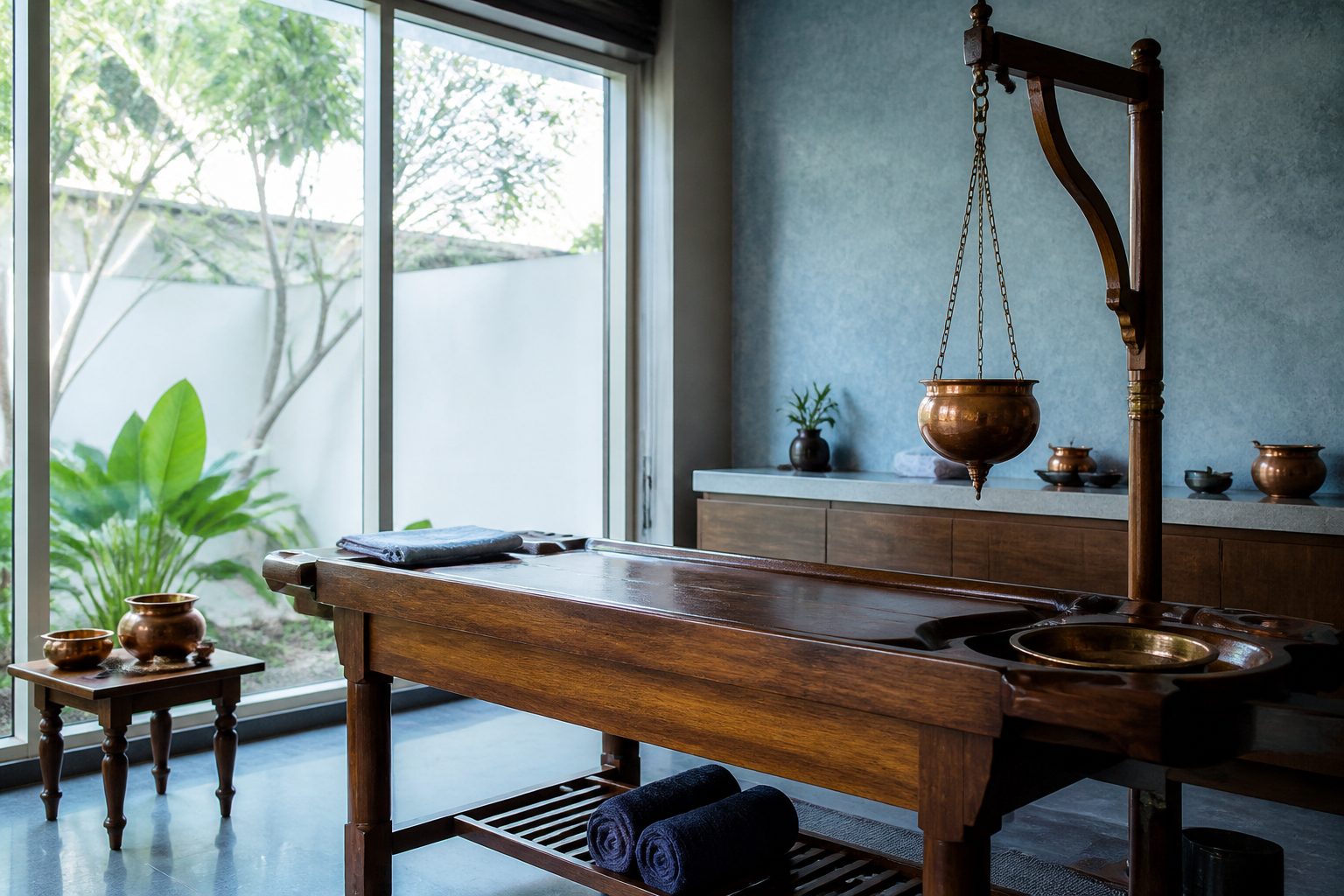
Ayurveda postnatal care programmes are designed to support new mothers’ recovery after childbirth. They typically include therapies, nutrition, rest, and guidance based on traditional Indian medicine. For families considering this option, the total price for a typical 7- to 28-day programme ranges from $850 to $4,200 (₹70,000–₹3.5 lakh), depending on location, duration, and centre type.
These programmes are most popular in India and Sri Lanka but are also offered in select centres in Southeast Asia and wellness resorts worldwide. This guide outlines what is included, the range of costs, what to consider when choosing a centre, and tips for planning safe, effective postnatal care.
What Ayurveda postnatal care programmes include
Ayurveda postnatal care, known as soothika paricharya, is a structured approach to supporting women’s health and well-being in the weeks following childbirth. Programmes typically last from two to four weeks, but some centres offer shorter or longer stays. The main components are:
- Daily therapies: Warm oil massages (abhyanga), herbal compresses, and gentle steam treatments to promote healing, circulation, and relaxation.
- Dietary support: Individualised meal plans based on Ayurveda principles, often focused on easy-to-digest, nourishing foods that support lactation and recovery.
- Herbal medicines: Prescribed by an Ayurveda doctor, including herbal decoctions, tonics, and supplements tailored to the mother’s constitution and needs.
- Rest and sleep: Structured rest periods and sleep hygiene guidance, with some centres offering dedicated postnatal suites or cottages for privacy and comfort.
- Yoga and breathing: Gentle yoga, pranayama, and meditation sessions to support mental health and physical recovery, adapted for postnatal safety.
- Lifestyle guidance: Daily routines, self-care practices, and education on newborn care, breastfeeding, and maternal health from an Ayurveda perspective.
Programmes may also include consultations with gynaecologists or paediatricians, depending on the centre, especially in hospital-based settings. The depth and medical oversight vary: wellness resorts and retreats may focus more on relaxation and general well-being, while Ayurveda hospitals offer more structured, medically supervised care.
Typical inclusions and exclusions
Most postnatal Ayurveda packages are all-inclusive for accommodation, meals, therapies, and consultations. However, it is important to confirm exactly what the price covers. Typical inclusions:
- Initial and follow-up consultations with an Ayurveda physician
- Daily massages and body therapies
- Herbal medicines and supplements prescribed during the stay
- All meals, snacks, and drinks
- Yoga, meditation, and breathing exercises (where offered)
- Use of centre facilities (gardens, relaxation areas)
Common exclusions (which may add to your costs):
- Diagnostic tests (if required)
- Specialist medical consultations (gynaecologist, paediatrician)
- Transportation to and from the centre
- Extra treatments not included in the standard package
- Personal expenses (laundry, souvenirs, additional food)
- Post-discharge medicines or take-home herbal formulations
Always request a detailed written breakdown before booking, so you can compare programmes fairly and avoid unexpected charges.
Ayurveda postnatal care costs by country
| Country | Typical duration | Indicative cost (USD) | Notes |
|---|---|---|---|
| India | 14–28 days | $850–$3,200 (₹70,000–₹2.6 lakh) | Widest range, from basic clinics to luxury resorts |
| Sri Lanka | 10–21 days | $1,100–$2,800 (LKR 340,000–870,000) | Focus on Ayurveda hospitals and wellness retreats |
| Indonesia (Bali) | 7–21 days | $1,200–$3,900 (IDR 18–60 million) | Luxury wellness resorts, limited traditional clinics |
| Thailand | 7–14 days | $1,800–$4,200 (THB 65,000–150,000) | Mostly luxury wellness resorts, some Ayurveda-trained staff |
| United Arab Emirates | 7–14 days | $2,500–$4,000 (AED 9,200–14,700) | Small number of accredited Ayurveda clinics |
| Europe (Germany, UK, Switzerland) | 7–14 days | $2,900–$6,800 (€2,700–6,200) | Private wellness clinics, high-end spas |
| United States | 7–14 days | $2,700–$6,200 | Limited availability, mostly in wellness resorts |
| Australia | 7–14 days | $2,400–$5,100 (AUD 3,600–7,800) | Few specialist centres, mainly in capital cities |
What drives the price
Several factors influence the price of an Ayurveda postnatal care programme:
- Location: Centres in India and Sri Lanka are generally less expensive due to lower labour and facility costs. Programmes in Europe, the US, and Australia command higher prices due to regulatory standards, higher staff wages, and luxury positioning.
- Type of centre: Ayurveda hospitals and clinics tend to be more affordable, while luxury wellness resorts and retreats may charge more for setting, amenities, and privacy.
- Duration: Longer stays (21–28 days) are usually more cost-effective per day but increase the total bill. Shorter stays are available but may not provide the full benefit of traditional protocols.
- Level of medical supervision: Centres with in-house gynaecologists, paediatricians, or 24/7 nursing staff charge more than those offering only Ayurveda physician oversight.
- Accommodation standard: Private suites, cottages, and premium facilities increase prices compared to shared rooms or basic hospital accommodation.
- Inclusions: All-inclusive packages that cover medicines, meals, therapies, and consultations are more predictable but may cost more upfront.
- Special requests: Additional treatments, dietary preferences, or family accommodation may add to the cost.
How to choose a reputable centre
Choosing the right Ayurveda postnatal care programme involves more than comparing prices. Consider the following:
- Accreditation and licensing: In India, look for NABH-accredited hospitals or clinics registered with the Central Council of Indian Medicine (CCIM). In Sri Lanka and other countries, check for relevant national health authority approvals.
- Medical team: Ask about the qualifications and experience of the Ayurveda doctors, therapists, and support staff. For higher-risk cases, confirm access to gynaecologists and paediatricians.
- Programme structure: Request a sample daily schedule and a list of therapies included. Ensure the programme is tailored to your needs, not a one-size-fits-all package.
- Facilities: Review photos of accommodation, therapy rooms, and communal areas. For longer stays, privacy, comfort, and hygiene are important.
- Language and communication: Confirm that staff can communicate in your preferred language. International patient coordinators can help with logistics and cultural needs.
- Reviews and testimonials: Seek feedback from past clients, especially international patients. Look for consistent comments about safety, comfort, and results. Be cautious of overly glowing or generic reviews.
- Transparency: The centre should provide a clear, itemised price list and written contract before you commit.
Hidden and additional costs
Even at centres advertising all-inclusive packages, you may face some extra charges. Watch for:
- Specialist consultations: If you or your baby require additional medical attention, these visits are rarely included.
- Diagnostic tests: Blood tests, ultrasounds, or other investigations are sometimes needed and billed separately.
- Take-home medicines: Herbal formulations or supplements prescribed for ongoing use after discharge are usually extra.
- Airport transfers: Some centres offer free pick-up and drop-off, others charge per ride.
- Family accommodation: If you want your partner or another family member to stay with you, check if this is included or available at an extra cost.
- Early discharge or programme extension: Leaving early may not entitle you to a refund; extending your stay will incur additional daily rates.
Always clarify policies before booking and get all charges in writing.
How to save safely
There are several ways to access Ayurveda postnatal care without overpaying or compromising on safety:
- Opt for reputable clinics: Large Ayurveda hospitals in Kerala, Karnataka, and Sri Lanka often offer safe, effective care at lower prices than luxury retreats.
- Book in advance: Early booking, especially for high season (November to March), can secure lower rates and preferred room types.
- Compare packages: Some centres allow you to customise your stay by selecting only the therapies or services you need, reducing unnecessary costs.
- Ask about local rates: Non-tourist rates may be available for longer stays or Indian/Asian passport holders.
- Group discounts: Some facilities offer discounts for groups or if you book with another new mother.
- Insurance: In most cases, health insurance does not cover Ayurveda postnatal care, but check your policy for wellness or maternity add-ons.
Do not compromise on medical oversight or hygiene to save money. Avoid unregistered or poorly reviewed centres, even if prices are lower.
Planning your Ayurveda postnatal programme
If you are considering an Ayurveda postnatal care programme, start planning before your delivery date. Steps to consider:
- Consult your doctor: Always discuss your plans with your obstetrician, especially if you had a complicated pregnancy, C-section, or pre-existing health issues.
- Choose location: Decide if you want to stay close to home or travel. Some mothers prefer a centre near family support, while others seek a retreat setting for rest.
- Book early: Popular centres fill up quickly, especially during the winter tourist season. Booking 1–2 months in advance is recommended.
- Prepare documentation: Bring your medical records, delivery summary, and baby’s vaccination card if your infant will stay with you.
- Pack appropriately: Most centres provide basic toiletries, towels, and clothing, but check the list. Bring any personal or baby items you need.
- Arrange travel and insurance: Book flights and transfers in advance. Check if the centre offers airport pickup and confirm the cost.
- Clarify visitation: Ask about visiting hours and whether your partner or family can stay with you.
Most centres recommend starting the programme within 7–14 days of delivery, but this can be adjusted depending on your health and baby’s needs.
Evidence and safety considerations
Ayurveda postnatal care is a centuries-old tradition in India and South Asia. While many families find these programmes helpful for recovery, relaxation, and emotional support, scientific evidence is limited and varies by therapy. Most studies suggest that gentle massage, nutritious diet, and rest are generally beneficial for new mothers, but not all herbal medicines are proven safe for breastfeeding women or newborns.
Always choose a centre that employs qualified Ayurveda doctors and experienced therapists. If you have had a complicated delivery or have ongoing health issues, seek a centre with medical supervision and emergency backup. Avoid any centre that makes unsupported cure claims or discourages you from seeking conventional medical advice if needed.
Bottom line
An Ayurveda postnatal care programme can provide valuable support during the early weeks after childbirth, combining traditional therapies, nutrition, and rest. Costs vary widely by country, centre type, and duration, from $850 in India to over $6,000 in Western countries. When comparing options, focus on medical oversight, hygiene, and programme quality, not just price. Always consult your doctor before enrolling, and request a detailed written quote from the centre.
Frequently asked questions
How soon after delivery can I start an Ayurveda postnatal programme?
Most centres recommend starting within the first 7 to 14 days after a normal delivery. If you had a C-section or complications, consult your obstetrician and the centre’s Ayurveda doctor before enrolling. The start date can be adjusted for your health and comfort.
Can my baby and partner stay with me during the programme?
Many Ayurveda centres allow infants and partners to stay, but facilities and policies vary. Some offer family suites or cottages, while others have limits on overnight guests. Always confirm in advance and ask about extra charges for additional family members.
Are Ayurveda postnatal therapies safe for breastfeeding mothers?
Most therapies, such as gentle massage and dietary guidance, are considered safe for breastfeeding mothers. Herbal medicines should only be taken under supervision from a qualified Ayurveda doctor, as some herbs may not be suitable during lactation.
What should I bring to the centre?
Bring your medical records, delivery summary, baby’s vaccination card, personal toiletries, comfortable clothing, and any essential baby supplies. Most centres provide towels, basic toiletries, and therapy garments, but it’s best to check with your chosen centre.
Is Ayurveda postnatal care covered by insurance?
In most countries, Ayurveda postnatal care is not covered by standard health insurance policies. Some international or wellness insurance add-ons may reimburse part of the cost. Check with your insurer before booking and request invoices for reimbursement if eligible.
Related guides
Disclaimer: Prices and programme details are indicative and vary by centre, location, and individual needs. Always request a written quote and consult a qualified doctor before starting any postnatal care programme.