
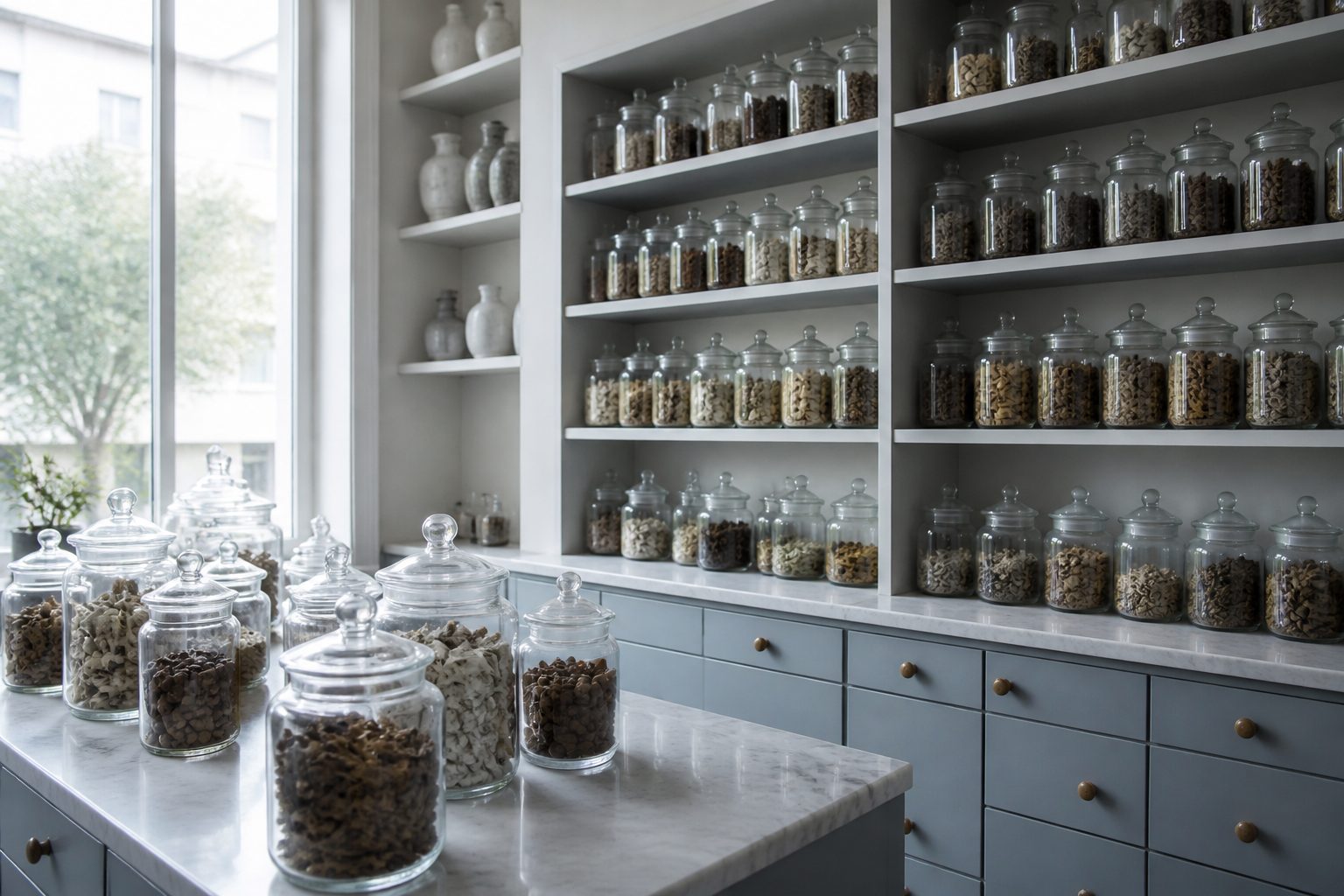
Unani medicine programmes in Pakistan and India offer holistic care rooted in centuries-old traditions. For international and regional patients, costs typically range from $250 to $2,500 for a one- to four-week stay, including consultations, therapies, and accommodation at established centres.
This guide is for anyone considering Unani or similar traditional medicine treatments, especially those comparing costs, inclusions, and practicalities across both countries. Prices vary by location, centre reputation, and the complexity of your health needs.
What Unani medicine programmes include
Unani medicine centres in Pakistan and India generally offer comprehensive packages. These usually start with an initial assessment by a qualified Unani physician (Hakim), who tailors a treatment plan based on your health status, medical history, and goals. Programmes typically include:
- Initial and follow-up consultations
- Unani therapies such as cupping (Hijama), massage, leech therapy, herbal formulations, and regimental therapies (Ilaj-bil-Tadbeer)
- Daily meals prepared according to Unani dietary principles
- Accommodation (private or shared rooms, depending on package level)
- Yoga, meditation, or other complementary wellness activities at some centres
Programme length can vary from a few days to several weeks, depending on the condition being addressed. Chronic conditions or wellness-focused stays often last two to four weeks. Most reputable centres provide detailed itineraries and include basic amenities; luxury or resort-based options are also available at higher prices.
Typical costs in Pakistan and India
Costs for Unani medicine programmes differ significantly depending on centre location, reputation, and the level of comfort offered. In both countries, government-run Unani hospitals and institutes tend to be more affordable, while private wellness retreats and high-end clinics charge more for personalised care and enhanced facilities.
- Pakistan: Basic outpatient Unani consultations start at $5-$15 (PKR 1,400-4,200). A week-long residential programme with daily therapies and meals costs $200-$600 (PKR 57,000-170,000). Premium wellness resorts may charge up to $1,200 (PKR 340,000) for two weeks.
- India: Outpatient Unani consultations cost $4-$12 (₹330-1,000). Standard two-week inpatient packages at reputable Unani hospitals and wellness centres range from $400-$1,200 (₹33,000-99,000). Luxury Ayurvedic and Unani retreats may charge $1,500-$2,500 (₹1.2-2 lakh) for three to four weeks.
These costs generally include doctor fees, therapies, medicines, accommodation, and meals. Additional charges may apply for advanced diagnostics, special dietary requirements, or extra services such as airport transfers or spa treatments.
Comparing Unani with Ayurveda, naturopathy, and wellness retreats
Unani medicine shares similarities with Ayurveda and naturopathy in its holistic approach and reliance on natural therapies. However, each system has its unique diagnostic principles, therapeutic techniques, and herbal pharmacopoeia. Costs for Unani programmes are generally in line with mid-range Ayurveda and naturopathy packages in both Pakistan and India.
For example, a two-week classic Panchakarma (Ayurveda detox) package in India or Sri Lanka usually costs $800-$2,000, including accommodation and meals. Naturopathy centres charge $300-$1,000 per week, depending on location and amenities. Medical spas and wellness retreats with a focus on yoga or Traditional Chinese Medicine (TCM) often have higher price points, especially in tourist destinations.
When comparing, consider:
- The system’s evidence base for your condition
- Inclusions (consultations, therapies, medicines, accommodation, meals)
- Centre accreditation and practitioner qualifications
- Language support for international guests
Cost comparison table: Unani and traditional medicine programmes
| Country | Programme type | Duration | Indicative cost (USD) | Local currency | Inclusions |
|---|---|---|---|---|---|
| Pakistan | Unani, standard inpatient | 1 week | $200-$600 | PKR 57,000-170,000 | Consultation, therapies, medicines, meals, shared accommodation |
| Pakistan | Unani, premium retreat | 2 weeks | $700-$1,200 | PKR 200,000-340,000 | Personalised therapies, private room, enhanced amenities |
| India | Unani, standard inpatient | 2 weeks | $400-$1,200 | ₹33,000-99,000 | Consultation, therapies, medicines, meals, shared accommodation |
| India | Unani, luxury retreat | 3-4 weeks | $1,500-$2,500 | ₹1.2-2 lakh | Personalised therapies, private villa/room, spa services, wellness activities |
| India | Ayurveda (Panchakarma) | 2 weeks | $800-$2,000 | ₹66,000-1.65 lakh | Detox therapies, doctor consults, meals, accommodation |
| India | Naturopathy, standard | 1 week | $300-$1,000 | ₹25,000-82,000 | Consultation, therapies, meals, shared accommodation |
| India | Medical spa, wellness retreat | 1 week | $900-$2,500 | ₹74,000-2 lakh | Custom wellness, spa services, luxury accommodation, meals |
What is and isn’t included in the price
Unani medicine programmes in Pakistan and India generally advertise all-inclusive packages, but what is actually included can vary significantly between centres and price tiers. Most standard packages cover the essentials: an initial medical assessment by a qualified Unani physician, daily Unani therapies (such as massages, herbal treatments, and detoxification procedures), prescribed herbal medicines, accommodation, and standard meals. In government hospitals and teaching institutes, these inclusions are strictly regulated, while private and luxury centres may offer additional amenities like Wi-Fi, private rooms, or access to wellness facilities such as swimming pools or gyms.
Premium centres, especially those catering to international clients, might include airport transfers, translation or interpreter services, and even guided wellness activities. However, it is important to note that not all costs are covered by the base price:
- Not included: Advanced lab tests, imaging (like X-rays or ultrasounds), or consultations with specialists outside the Unani system (such as allopathic doctors or nutritionists) are often billed separately.
- Personal expenses such as laundry, extra snacks, room service, or shopping are not covered.
- Travel costs to and from the centre, including flights, trains, or local transportation, are usually the responsibility of the patient.
- Visa fees and travel insurance for international patients must be arranged and paid for independently.
- Extra therapies or spa treatments not specified in the base package—such as yoga classes, beauty treatments, or additional massages—may incur extra charges.
To avoid misunderstandings, always request a detailed, written breakdown of all inclusions and exclusions before booking. Ask about potential extra charges for additional medicines, extended stays, or special services. This approach will help you budget accurately and ensure there are no surprises during your Unani wellness journey.
Hidden costs and how to avoid them
Even when Unani centres advertise all-inclusive packages, hidden costs can sometimes emerge, potentially increasing your total expenditure. Understanding and anticipating these expenses is crucial for effective budgeting and a stress-free experience. Some of the most common hidden costs include:
- Lab tests and diagnostics: While basic assessments may be included, additional tests (blood work, imaging, or specialist consultations) ordered during your stay are often billed separately. These can range from INR 500–3,000 (USD 6–36) per test in India, with similar pricing in Pakistan.
- Accommodation upgrades: Requests for private rooms, air conditioning, or special dietary needs (such as gluten-free, vegan, or diabetic meals) may incur surcharges, sometimes up to 30% extra per day.
- Transportation: Airport pick-up and drop-off, local taxis, or ambulance services are rarely included unless specified. Costs can vary based on distance and city, so clarify in advance.
- Interpreter or translation services: Especially relevant for international patients, these services may be charged per hour or per session, and are not standard in all centres.
To avoid surprises, always request a fully itemised quotation before booking. Ask the centre to specify what is included in your package fee and what is not. Double-check if taxes (such as GST in India) or service charges apply, as these can add 5–18% to your bill. If you have particular needs—like wheelchair access, special diets, or extended stays—confirm both their availability and any associated costs in writing. If possible, get all agreements documented via email or official letterhead. Taking these practical steps will help you avoid unexpected expenses and ensure a transparent, predictable experience.
How to save on Unani and wellness programmes safely
Reducing costs on Unani and wellness programmes does not have to mean sacrificing safety or quality. One of the best approaches is to consider government-accredited Unani hospitals or teaching institutes, especially in India and Pakistan where such institutions are subsidised and supervised for quality. These centres, often attached to universities or government health departments, typically offer lower rates for consultations, therapies, and medicines—sometimes as much as 30–50% less than private clinics—while maintaining high standards of care and employing experienced physicians.
Timing your booking can also make a significant difference. Prices for accommodation and treatment packages often rise during festival seasons or peak tourist periods (such as winter in North India or during major local holidays). By scheduling your stay during off-peak times, you can benefit from lower accommodation rates and greater availability of services. Some centres also provide discounts for longer stays, group bookings (if you are travelling with family or friends), or early-bird reservations. Don’t hesitate to ask about ongoing promotions or package deals.
Always verify the centre’s credentials: look for recognised accreditations such as NABH in India, or affiliations with reputable universities and government health authorities in Pakistan. This ensures adherence to safety and quality standards. Avoid centres that lack proper licensing or make exaggerated claims of miracle cures, as these may compromise your health and expose you to legal or financial risks.
If you are an international patient, factor in visa processing times and costs, as well as travel insurance. Some established centres have dedicated staff to help with visa support letters and international patient coordination, which can save both time and money. By following these steps, you can access affordable, high-quality Unani care without unnecessary financial or health risks.
How to choose a centre
Choosing the right Unani medicine centre is a critical step to ensure both effective treatment and a positive overall experience. Begin by researching the centre’s reputation—look for how long they have been operating, their track record with patients, and whether they are known for treating your specific health concern. In both Pakistan and India, established centres in cities like Hyderabad, Lucknow, Lahore, and Karachi often have more experience and better resources, but smaller centres can also offer personalised care.
- Qualifications: Check the educational background and registration status of Unani physicians (Hakims) and their support staff. In India, practitioners should be registered with the Central Council of Indian Medicine (CCIM), while in Pakistan, look for registration with the National Council for Tibb (NCT).
- Accreditation: Prefer centres accredited by government bodies or recognised health organisations, such as NABH (National Accreditation Board for Hospitals) in India or provincial health departments in Pakistan. Accreditation ensures minimum standards for safety and quality.
- Facilities: Assess the quality of the facilities, including hygiene standards, room types (shared, semi-private, private), and the availability of amenities like Wi-Fi, dietary options, or English-speaking staff for international patients.
- Transparency: Make sure the centre is upfront about pricing, what is included in the package, and any possible extra charges. Avoid centres that are vague or dismissive about costs.
- Patient reviews: Seek out testimonials from previous patients, ideally those with similar medical concerns. Independent reviews on healthcare forums or social media can provide valuable insights.
Whenever possible, arrange a video or phone consultation before committing. This allows you to discuss your specific health needs, clarify the suitability of Unani therapies for your condition, and gauge the professionalism and communication skills of the staff. Ask about their experience with international patients if you are travelling from abroad, and make sure they can accommodate any language or dietary requirements. Taking these steps will help you make an informed and confident choice.
Planning your programme: Practical steps
Once you have shortlisted a centre, check availability and request a written quotation. Confirm the start and end dates, what is included, and any required deposit. Ask about cancellation policies and refund terms. If you are travelling from abroad, inquire about airport transfer options, visa support letters, and proximity to major cities or airports.
Prepare relevant medical records (translated into English if necessary) and a summary of previous treatments. Check if you need to stop or modify any medications before arrival (always consult your regular doctor before making any changes). Pack comfortable clothing, personal toiletries, and any essentials not provided by the centre.
If you have dietary restrictions, inform the centre in advance. For longer stays, ask about internet access, laundry services, and recreational options. Consider travel insurance that covers medical care and trip interruption for added peace of mind.
The bottom line
Unani medicine programmes in Pakistan and India provide a diverse spectrum of healthcare and wellness experiences, ranging from affordable, basic inpatient treatments at government hospitals to high-end, luxury wellness retreats in resort-like settings. The cost of these programmes is generally much lower than comparable Western wellness centres, making them attractive for both local and international patients. However, pricing is highly variable and depends on several factors including the centre’s location (urban centres like Delhi, Mumbai, Lahore, and Karachi tend to be more expensive), the reputation and track record of the institution, the qualifications of the practitioners, and the inclusiveness of the treatment package.
For example, a basic Unani inpatient programme at a government-accredited hospital in India might cost as little as INR 1,000–3,000 per day (roughly USD 12–36), while private or luxury centres can charge INR 5,000–15,000 per day (USD 60–180) or more, especially if they offer additional amenities, private rooms, or English-speaking staff. In Pakistan, costs are generally comparable, with major cities and established clinics charging more, especially for international patients. Some packages include accommodation, meals, basic therapies, and herbal medicines, but extras like advanced diagnostics or personal requests can increase the final bill.
To ensure you get the best value and a safe, effective experience, it is essential to compare quotations from multiple centres. Always verify the credentials of the centre and its practitioners, check for government or recognised body accreditation, and ask for a detailed written breakdown of what is included in your package. Clear communication and careful comparison will help you avoid unexpected costs and ensure your chosen programme meets your health and wellness goals.
Frequently asked questions
How long do Unani medicine programmes usually last?
Most Unani programmes for chronic conditions or wellness last one to four weeks. Some patients opt for shorter stays focused on detox or stress management, while others may extend their programme for ongoing care. The ideal duration depends on your health goals and the centre’s recommendations.
Are Unani medicine programmes safe for international patients?
When delivered at licensed, reputable centres with qualified practitioners, Unani medicine is generally safe for most patients. However, it is essential to disclose your full medical history and current medications to avoid interactions. Seek centres with experience in caring for international guests and good hygiene standards.
Is Unani medicine evidence-based?
Unani medicine is a traditional system with centuries of empirical practice. Some therapies and herbal medicines have been studied scientifically, but evidence varies by condition. It is best viewed as complementary to conventional care, especially for chronic or lifestyle-related issues.
Can I combine Unani with other wellness therapies?
Many centres offer combined packages with Ayurveda, naturopathy, or yoga. Always inform your practitioners about all therapies you are receiving to avoid conflicting treatments or medications. Integration is possible but should be supervised by experienced professionals.
Do I need a visa for treatment in Pakistan or India?
Most international patients will need a medical or tourist visa to attend Unani programmes in either country. Requirements vary by nationality, so check with the embassy or consulate. Some centres provide supporting documents to help with the visa process.
Related guides
Disclaimer: Prices are indicative, can vary by case and hospital, and may change over time. Always request a detailed written quotation and consult a qualified doctor before starting any traditional medicine programme.