
Cupping therapy is a centuries-old treatment offered at Ayurveda hospitals, Traditional Chinese Medicine (TCM) clinics, naturopathy centers, and wellness retreats. For those considering cupping, sessions typically cost between $15 and $80 depending on the country, setting, and whether it’s part of a broader wellness program.
This guide explains what cupping therapy involves, what to expect at reputable traditional and wellness medicine providers, and how much you can expect to pay. It covers Ayurveda, TCM, yoga therapy, Unani, and medical spa approaches, with practical details for international patients.
What is cupping therapy?
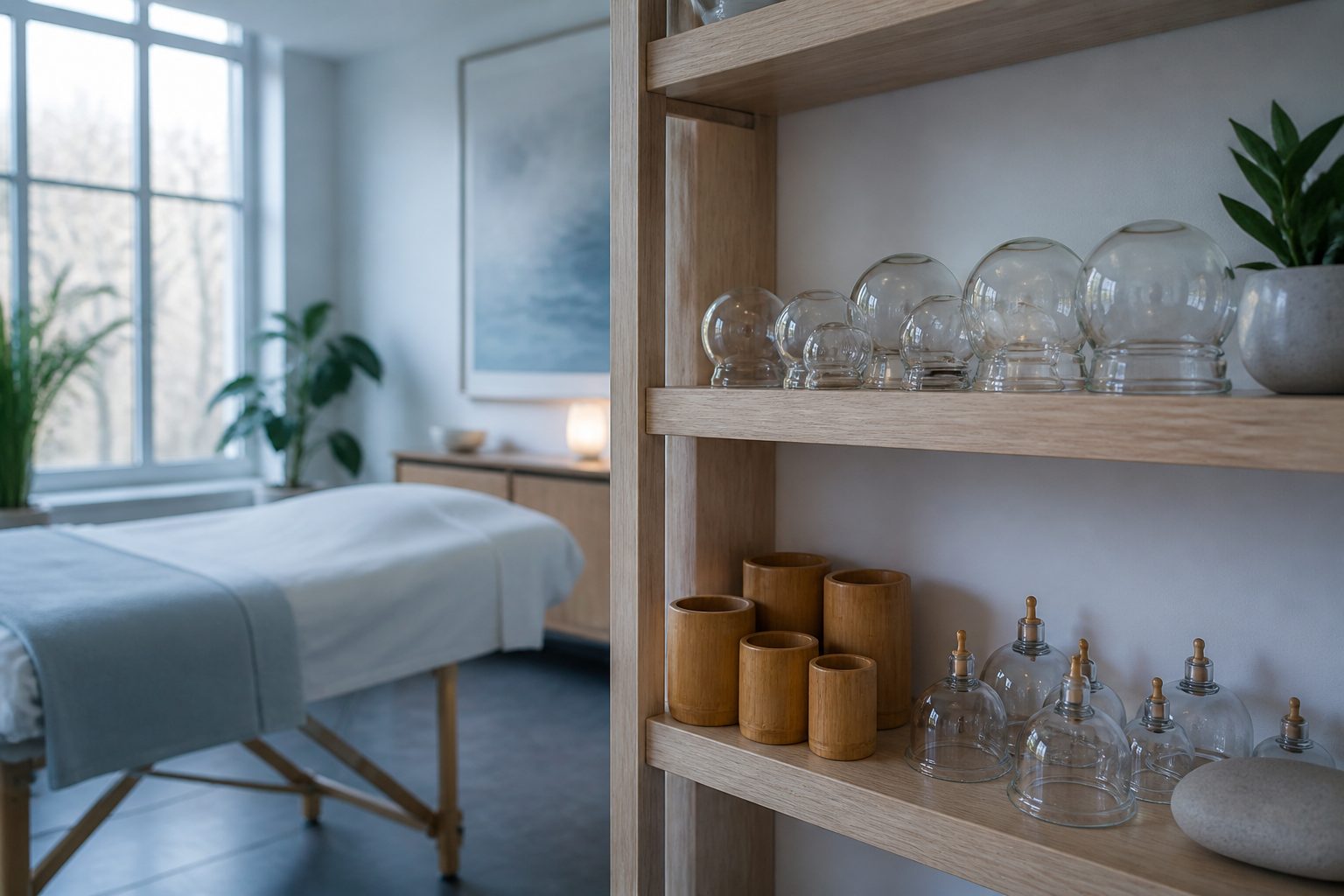
Cupping therapy is a practice where special cups are placed on the skin to create suction. The technique is used in various traditional medical systems, notably Traditional Chinese Medicine and Unani, and is also found in Ayurvedic and naturopathic settings. The suction is believed to improve circulation, relieve muscle tension, and promote general well-being. There are two main types: dry cupping (no blood drawn) and wet cupping (where small incisions are made to draw out a small amount of blood). Glass, bamboo, silicone, or plastic cups may be used, depending on tradition and practitioner.
Sessions usually last 15 to 30 minutes. In wellness and spa settings, cupping is often combined with massage or other therapies. Traditional clinics may integrate cupping with herbal medicine, acupuncture, or Panchakarma (Ayurvedic detox programs). While some people find relief from pain, stress, or muscle stiffness, the scientific evidence for cupping’s effectiveness remains limited, and it should not be seen as a replacement for conventional medical care.
Where cupping therapy is offered
Cupping therapy is widely available in many countries, especially in Asia and the Middle East. Key providers include:
- Traditional Chinese Medicine clinics: Often combine cupping with acupuncture and herbal remedies.
- Ayurveda hospitals and Panchakarma centres: May use cupping (known as “Raktamokshana”) for detoxification or specific conditions, alongside oil massage and herbal treatments.
- Naturopathy and yoga therapy centres: Sometimes offer cupping as part of holistic wellness programs, often integrated with diet, yoga, and hydrotherapy.
- Unani medicine clinics: Practice “Hijama” (wet cupping), especially in South Asia and the Middle East.
- Medical spas and wellness retreats: May offer modern or traditional cupping as a relaxation and rejuvenation treatment, often with massage or bodywork.
Most major Indian cities, as well as destinations in China, Thailand, Indonesia, Turkey, the UAE, and Malaysia, have reputable centers offering cupping therapy. In the West, cupping is available at some integrative medicine clinics, medical spas, and licensed acupuncturists’ offices.
What happens in a typical cupping session?
After a brief consultation about your health and goals, the practitioner will select the appropriate type of cupping and location on the body. For dry cupping, the cups are heated (often with a flame) or a suction pump is used to create a vacuum, then placed on the skin. The suction causes the skin to rise and redden as blood vessels expand. Cups usually stay in place for 5-15 minutes. In wet cupping (Hijama), small incisions are made after initial suction, and then the cup is reapplied to draw out a small amount of blood.
Some clinics combine cupping with massage, acupuncture, or topical herbal applications. Most sessions finish with cleaning the skin and applying soothing ointments. Mild bruising or redness is common and usually fades within a few days. Hygiene and proper technique are crucial to avoid infection or burns, so choose a practitioner with proper training and clean facilities.
What is included in the price
The cost of cupping therapy can vary widely depending on the type of facility, the country, and whether cupping is a standalone treatment or part of a package. A typical session fee usually covers:
- Initial brief consultation with the practitioner
- Use of sterile cups and other supplies
- The cupping procedure itself (dry or wet)
- Post-treatment care (cleaning, ointments)
When cupping is part of a broader wellness program—such as a Panchakarma or detox package—the price may also include accommodation, meals, other therapies (massage, yoga, acupuncture), and sometimes follow-up consultations. Always clarify what is included and whether additional therapies cost extra.
How much does cupping therapy cost?
Cupping therapy is generally affordable compared to other wellness treatments. In India, a single session at an Ayurveda or Unani clinic may cost as little as $10-$20 (₹800-1,700), while in the US or Europe, prices range from $40-$80 per session. Wellness retreats and medical spas may charge more, especially if cupping is included in a luxury package with accommodation and additional services.
Below is a comparison of typical costs for one cupping therapy session in various countries. Package prices (for 3-7 day wellness programs) are also shown where available. Prices are indicative and may vary by city, provider experience, and inclusions.
| Country | Single session cost | Package (3-7 days) | Typical inclusions |
|---|---|---|---|
| India | $10-$20 (₹800-1,700) | $120-$350 (₹10,000-29,000) | Consult, cupping, herbal oil massage, yoga, meals, accommodation (in packages) |
| China | $15-$40 (¥110-290) | $200-$600 (¥1,450-4,350) | Consult, TCM exam, cupping, acupuncture, herbal medicine, accommodation (in clinics/retreats) |
| Thailand | $20-$35 (฿700-1,200) | $250-$800 (฿8,800-28,000) | Consult, cupping, Thai massage, herbal steam, meals and accommodation (in wellness centers) |
| Indonesia | $10-$25 (Rp 150,000-375,000) | $120-$400 (Rp 1.8-6 million) | Consult, cupping (Bekam), massage, herbal teas, sometimes accommodation |
| Turkey | $25-$50 (₺800-1,600) | $300-$900 (₺9,500-28,500) | Hijama cupping, consultation, sometimes massage, accommodation at select wellness hotels |
| UAE | $40-$70 (AED 150-260) | $400-$1,000 (AED 1,500-3,700) | Hijama cupping, consult, sometimes massage, at medical clinics and spas |
| USA | $40-$80 | $350-$1,200 | Consult, cupping, massage or acupuncture, sometimes spa amenities |
| UK | $40-$75 (£32-60) | $350-$1,000 (£280-800) | Consult, cupping, sometimes massage or acupuncture |
| Germany | $45-$80 (€40-70) | $400-$1,200 (€350-1,050) | Consult, cupping, TCM or naturopathic therapies |
| Philippines | $15-$30 (₱850-1,700) | $150-$350 (₱8,500-20,000) | Consult, cupping, massage, sometimes herbal teas |
What drives the price
The main factors influencing the cost of cupping therapy include:
- Type of provider: Wellness resorts and high-end spas charge more than local clinics or hospitals.
- Practitioner’s experience: Senior therapists or doctors may charge higher fees.
- Type of cupping: Wet cupping (Hijama) is often more expensive due to extra steps and hygiene requirements.
- Location: Major cities and tourist destinations tend to have higher prices.
- Package vs. single session: Packages with accommodation and multiple therapies cost more but may offer better value per session.
Always check if initial consultations, follow-up visits, and additional therapies (massage, yoga, herbal medicine) are included or charged separately.
How to choose a reputable provider
When seeking cupping therapy, especially as an international patient, it is vital to choose a provider with a strong reputation for safety, hygiene, and practitioner qualifications. Look for clinics or hospitals with recognized accreditation such as NABH (India), JCI (international), or government health department approval. Ask about practitioner training—qualified Ayurvedic doctors, TCM physicians, or licensed naturopaths are preferable.
Visit the facility if possible, or request photos to see cleanliness and professionalism. Ensure that single-use or properly sterilized cups are used, and that staff follow infection control protocols. Read patient reviews, and clarify language support, especially in non-English-speaking countries. For those with medical conditions, consult your doctor before undergoing cupping or any traditional therapy.
Benefits and limitations of cupping therapy
Advocates of cupping therapy report relief from muscle tension, back pain, headaches, and stress. Some people use it for general wellness or as part of detoxification programs. In traditional systems, cupping is believed to balance the body’s energies or remove “stagnation.” However, scientific research on cupping is still limited, and most evidence is anecdotal or from small studies.
Cupping is generally considered safe when performed by trained practitioners, but it is not a cure for chronic or serious health conditions. Side effects may include bruising, mild discomfort, or rarely, skin infections. It should not be used on broken skin or by people with bleeding disorders. Always discuss any health concerns with a qualified medical professional before starting any new therapy.
How to save on cupping therapy safely
To reduce costs without compromising safety:
- Seek treatment at reputable clinics in countries where cupping is widely practiced, such as India, China, or Indonesia, where costs are lower.
- Book multi-session packages or combine cupping with other therapies for better value, especially at wellness retreats.
- Avoid unlicensed or informal practitioners, even if prices are low.
- Check for off-peak or seasonal discounts at resorts and retreats.
- Ask if your health insurance or wellness plan covers part of the cost, especially in the US, UK, or Europe.
Never compromise on hygiene or practitioner qualifications to save money. Infections or burns from improper technique can lead to higher costs and health risks.
Planning your visit: practical tips
If you are traveling for cupping therapy, plan ahead:
- Contact the center in advance to confirm availability, inclusions, and practitioner language skills.
- Ask for a detailed written quote, including all taxes, fees, and what is included in the session or package.
- Check visa requirements for the country and whether medical or wellness visas are needed.
- Consider combining cupping with other traditional therapies (Ayurvedic massage, acupuncture, yoga) for a more comprehensive wellness experience.
- Allow for some downtime after sessions, as mild bruising or soreness is common.
- Bring any relevant medical records and inform the practitioner of allergies, medications, or health conditions.
Most centers can arrange airport transfers and accommodation if booked as part of a package. Inquire about cancellation policies and travel insurance coverage for wellness treatments.
Bottom line: is cupping therapy worth it?
Cupping therapy remains a popular traditional treatment in many wellness and medical centers worldwide. It is generally affordable and widely available, especially in Asia and the Middle East. While some people report benefits for pain, stress, or general wellness, scientific evidence is still limited. Choose a reputable provider, understand what is included in the price, and consult your doctor before starting. For those seeking a safe, culturally-rooted wellness experience, cupping can be a worthwhile addition to a broader program of traditional medicine or relaxation.
Frequently asked questions
Is cupping therapy painful?
Cupping therapy usually causes a pulling sensation and some pressure, but most people do not find it painful. Mild discomfort or bruising is common, especially with strong suction or wet cupping, but this typically fades within a few days.
How many sessions are needed?
The number of sessions depends on your goals and the condition being addressed. Some people benefit from a single session, while others may have 3-5 sessions as part of a wellness or pain management plan. Your practitioner will advise based on your needs.
Are there risks or side effects?
The most common side effects are temporary bruising, redness, or mild discomfort. Rarely, improper technique can cause burns or skin infection. Cupping should not be done over wounds or by people with bleeding disorders. Always choose a trained practitioner.
Is cupping therapy supported by scientific evidence?
There is limited scientific evidence supporting cupping for specific conditions. Some small studies suggest possible benefits for pain relief, but more research is needed. Cupping should be considered a complementary therapy, not a replacement for medical treatment.
Can I combine cupping with other therapies?
Yes, cupping is frequently combined with massage, acupuncture, yoga, or herbal medicine in traditional and wellness centers. Many packages include multiple therapies for a holistic approach. Discuss your preferences and health needs with your practitioner.
Related guides
Disclaimer: Prices are indicative and vary by hospital, practitioner, and patient needs. Always request a written quote and consult a qualified doctor before starting any new therapy or treatment.